

It reads like a neighbor speaking her mind. Sometimes it is a campaign. An admission on CNN after the midterms holds a lesson in discernment for anyone who scrolls.
By EEW Magazine Online Editors
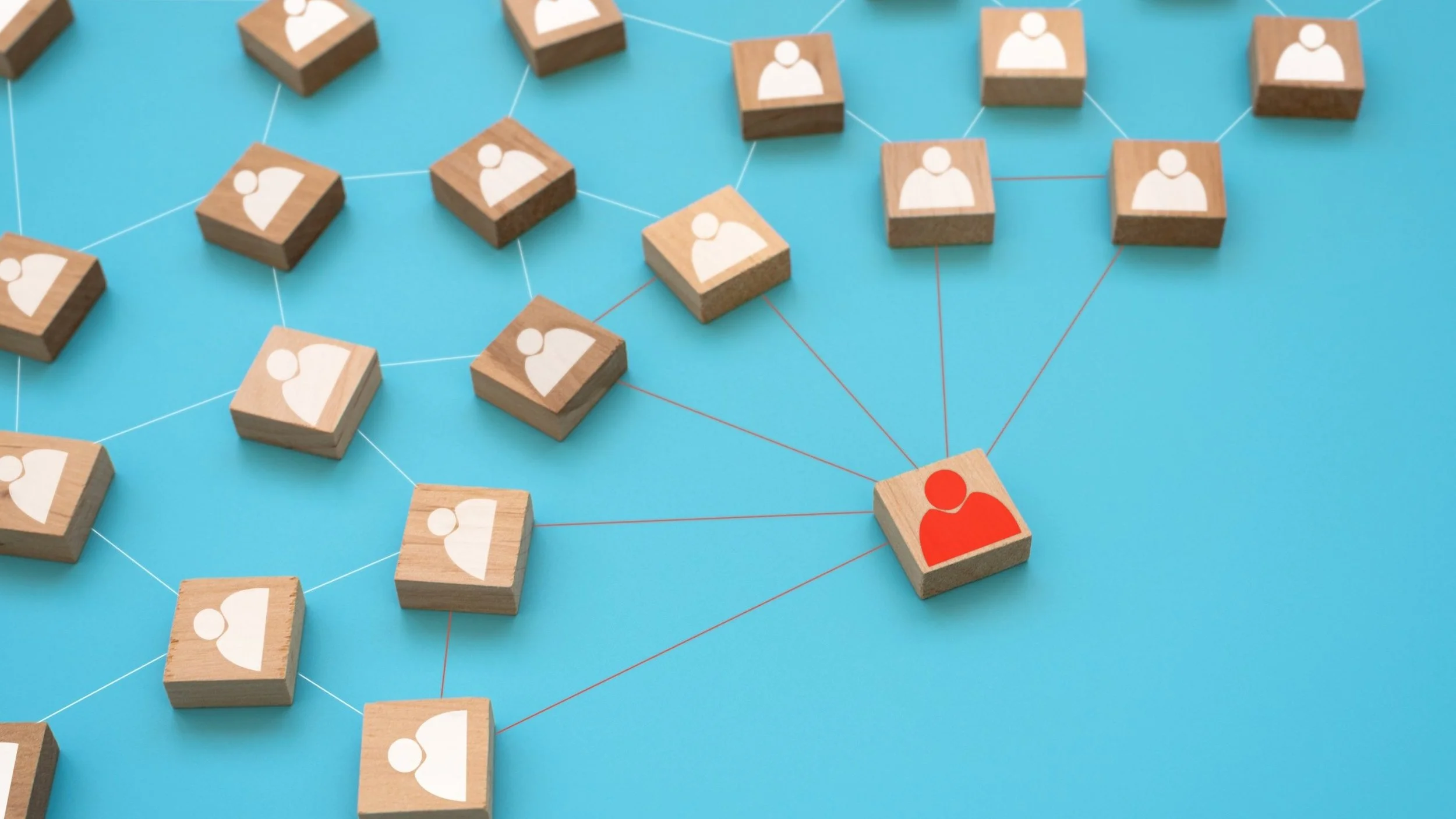
A single message can travel through many accounts that appear unconnected.
Two nights after the Nov. 3 midterm elections gave Democrats control of Congress, CNN commentator Van Jones sat down with anchor Kaitlan Collins and explained how he believed the win was built. Strong candidates helped, he said, and so did volunteers knocking on doors. Then he named an operation most viewers had never heard of, the American Accountability Network.
Jones described it as "tens of thousands of online humans, not bots," coordinated to keep the cost of living at the center of the online conversation and to tie that message to Democratic candidates. He cited daily figures of 32.5 million "hits" on Instagram, 88.8 million on X and 185 million on Facebook. Republicans never caught on, he said, and he added that he had been given permission to talk about it.
The clip spread fast, mostly through conservative outlets that called it proof of a propaganda machine. Set the partisan argument aside, and Jones' account leaves every social media user with something worth keeping. Much of what looks spontaneous online has been planned, and the reader is rarely told.
Some of what Jones said can be checked. The network exists, and it operates in the open. Its website describes a consortium of advocates, content creators, organizers and influencers who work to "shape political narratives." It claims to reach more than 200 million people a week and lists the Democratic Party's national committees and several major labor unions among the groups it has worked with.
The figures are another matter. Jones did not explain how they were calculated, and EEW Magazine Online found no independent verification of them. He also did not say whether participants were paid, and the website does not say either.
Jones also credited the network with more than the evidence shows. Americans were worried about prices well before the campaign season. An AP-NORC poll last December found about 4 in 10 adults wanted the government to focus on health care costs, and about a third named the cost of living. The Associated Press reported that the midterms channeled voter frustration over high prices, the Iran war and concerns about corruption.
A coordinated network can amplify a concern people already feel. Jones offered no evidence that this one created the concern or decided the election.
Following a post back to its source can show who else it is connected to.
Organized posting is used by both parties, and it takes different forms. Some of it is volunteer advocacy, some is paid, and some is paid for and hidden.
In 2020, The Washington Post reported that Turning Point Action, a pro-Trump group, was paying teenagers in Arizona to post coordinated messages from their own accounts without disclosing the connection. The group defended the work as sincere political activism. Facebook later removed hundreds of accounts and pages it linked to Rally Forge, the marketing firm that ran the effort.
A case of another kind came in 2024. The Justice Department charged two employees of Russian state media with funneling nearly $10 million to a Tennessee company that hired popular conservative commentators. Prosecutors said the commentators did not know where the money came from and accused none of them of wrongdoing. Foreign money sets that case apart from domestic advocacy. It also showed how completely a funding source can be hidden, even from the people doing the talking.
In 2025, Wired reported that a Democratic-aligned program called Chorus offered influencers up to $8,000 a month under contracts that limited what they could disclose. Chorus denied barring creators from discussing their involvement.
Disclosure rules are uneven. An influencer paid to praise a face cream must label the post as an ad under Federal Trade Commission guidelines. Political content falls under the Federal Election Commission.
The commission's internet advertising rules, approved in December 2022 and in effect since March 2023, require disclaimers on political ads placed for a fee on websites and platforms. They generally do not require that disclaimer when an influencer is paid to post political content on her own account.
Texas adopted its own disclosure rule in June 2024. Campaign Legal Center, a watchdog group, has petitioned the FEC to require one nationally.
Unpaid coordination is older still, and it is ordinary politics. Advocacy groups send toolkits, and campaigns have always handed supporters talking points. A person who shares a message she believes in deceives no one.
A reader deserves to know enough about where a message came from to weigh it. The trouble starts when hundreds of matching posts arrive looking like hundreds of independent conclusions, and readers take volume as evidence.
Matching posts can look like a crowd of independent voices.
More people now receive the news this way. Pew Research Center found in 2024 that about one in five U.S. adults regularly get news from social media influencers. The share was 27% among Black adults and 37% among adults under 30. Most of the influencers Pew studied had never worked for a news organization.
Pay attention when the same phrase appears across accounts that seem unconnected. Repetition alone proves nothing. People who see the same headline tend to repeat it in their own posts. It is a reason to look closer.
Open the profile and see who the person is and what else she posts. Ask who benefits if the post is believed and shared. Trace the claim to its source before passing it along.
Be most careful with posts built to stir anger or fear. Strong emotion can crowd out careful thought, and the people who design campaigns know it.
Most people posting about grocery prices are people who paid too much for groceries, and a coordinated message can also be a true one. A prudent reader asks two questions of everything that scrolls past: Is this accurate, and who wanted me to see it?