

Answered prayers have a way of fading into everyday routine. Today’s Daily Cup turns a simple pumice stone into a reminder to give thanks in every circumstance and points to the empty tomb as the greatest reason of all.
By Dianna Hobbs
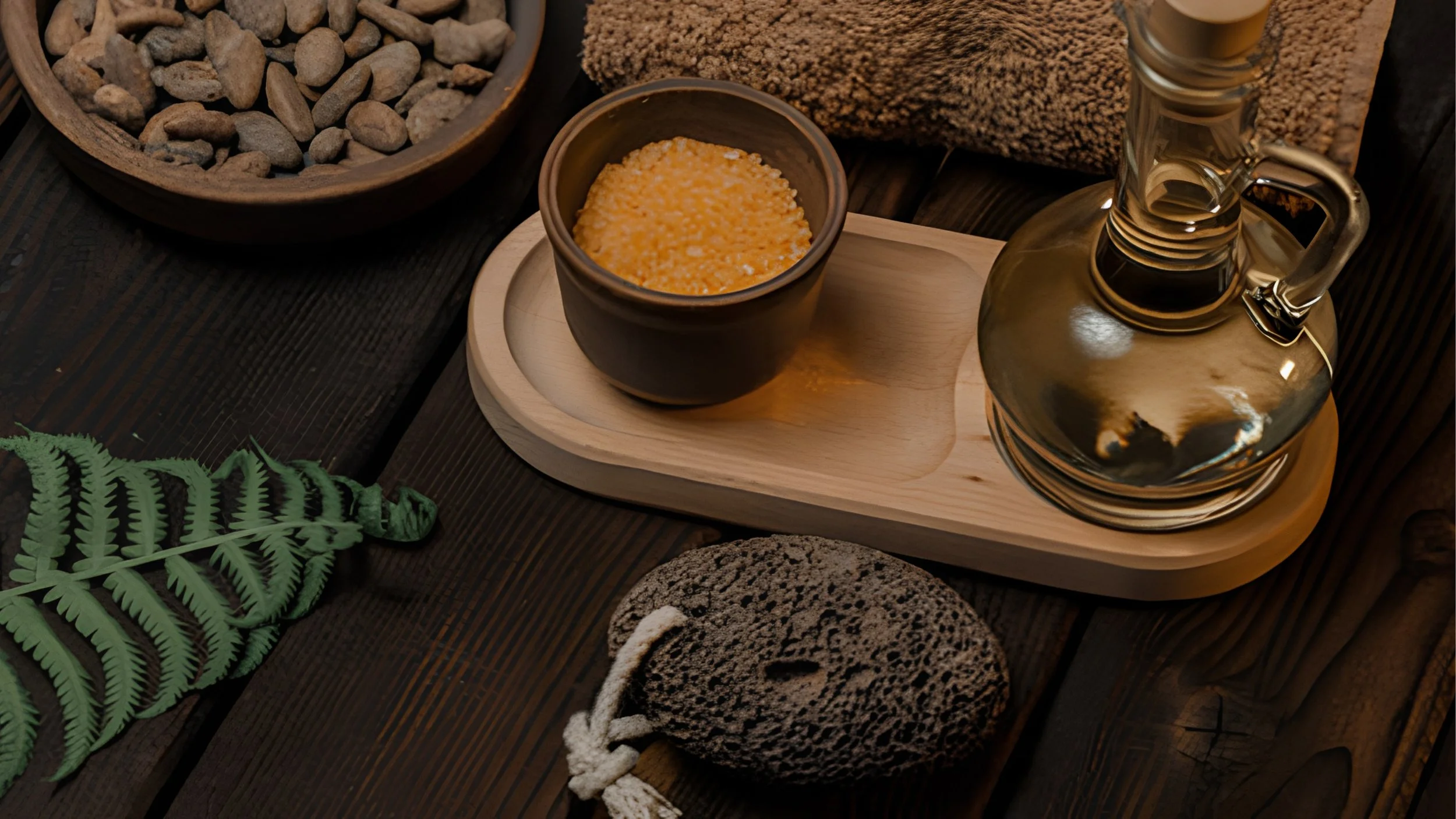
An ordinary pumice stone became a reminder of how far God has brought Dianna Hobbs, and a reason to give Him thanks. Credit: Serhii Prystupa/Getty Images
When I first came home from the hospital with a brain injury, I scrubbed my arms and legs with a pumice stone. I didn’t know any better. So much of what I once understood about ordinary things had vanished from my memory, including what certain items were for and how to use them. I rubbed my skin raw and spent weeks sore and swollen.
That seven-year-old memory came rushing back this morning as I used a pumice stone in its proper place, on the soles of my feet. Something that once caused me pain had become an ordinary part of my routine, and I almost missed the significance of that. I stood there marveling over how far I have come, and I found a reason to give God thanks.
Even as I thanked Him, I could feel the weakness in my body and the tightness in my chest. I’m currently being treated for acute bronchitis and a bacterial infection.
Since my medical crisis in 2019, even common infections have been difficult for my body to fight, and right now I have no voice to speak. My body is struggling, yet my heart is overflowing with gratitude for the progress I have made. Both realities are present in the same moment.
It occurred to me that some of the things we do without thinking today were once things we desperately wanted to be able to do. We prayed for strength, healing, clarity or the ability to get through an ordinary day. Somewhere along the way, those answered prayers became so much a part of our lives that we stopped noticing them. This morning, God brought one of those blessings back to my attention.
Paul gave the church at Thessalonica an instruction that speaks directly to this experience: “In every thing give thanks: for this is the will of God in Christ Jesus concerning you” (1 Thessalonians 5:18, KJV). Those believers were familiar with hardship. Paul said they had received the Word “in much affliction” (1 Thessalonians 1:6, KJV), and he acknowledged the suffering they endured at the hands of their own countrymen (1 Thessalonians 2:14). When he told them to give thanks, he was writing to people who knew what it meant to hurt.
The phrase “in every thing” translates the Greek en panti, meaning “in every circumstance.” Paul places thanksgiving within the circumstances of our lives, including the difficult ones. We can acknowledge our pain, admit our struggles and still recognize the goodness of God at work.
Paul’s words “give thanks” translate a single Greek verb, eucharisteō, which shares its root with charis, the Greek word for grace. So when we give thanks, we are responding to the grace God has already shown us.
Paul also writes this verb as a present-tense command, which means he is describing something we keep doing: keep giving thanks. He pairs it with two other instructions in the verses just before it: “Rejoice evermore. Pray without ceasing” (1 Thessalonians 5:16-17, KJV). Rejoicing, praying and giving thanks are meant to be daily habits in our walk with Christ.
Some of the things we do without thinking today were once things we desperately wanted to be able to do. Thank God for every one of them.
I have been thinking about this a great deal as I prepare for the release of my book, Finding Gratitude in the Dark, releasing on my birthday, November 2. One of the lessons I have learned through years of recovery is that gratitude often begins with remembering. When I look back at where I was, I can better appreciate where God has brought me.
And sometimes, what I remember brings me to tears.
There was a time when I couldn’t do some of the simplest things for myself. I still face challenges, and there are days when my body reminds me of everything it has endured. But I have a history with God that gives me plenty of reasons to thank Him. This morning, I found one of those reasons in a pumice stone.
My greatest thanksgiving, however, is tied to an even greater stone: the one rolled away from the tomb of Jesus Christ. Matthew tells us that an angel of the Lord descended from Heaven and rolled back the stone that sealed the tomb (Matthew 28:2). The angel then announced the glorious news: “He is not here: for he is risen, as he said” (Matthew 28:6, KJV).
That empty tomb is my greatest reason to give thanks. And yours. Jesus bore our sins on the cross, conquered death and rose again, securing the promise of eternal life for all who believe in Him. Because He lives, we have a hope that reaches beyond the troubles of this present life.
I’m grateful for every measure of healing God has given me over these past seven years. Even if I never recover another thing, what Jesus accomplished through His death and resurrection is more than enough reason to give Him praise.
To help you tap into the kind of thanksgiving no circumstance can take away, I’m stirring Psalm 136:1 into your cup of inspiration as today’s sweetener: “O give thanks unto the LORD; for he is good: for his mercy endureth for ever” (Psalm 136:1, KJV).
As you drink down the contents of your cup, know this: The empty tomb and the risen Savior have given us the greatest gift of all. Whatever you’re going through today, you always have a reason to praise.
Now, let’s pray.
God, I thank You for how far You have brought me, for the prayers You have answered and for the progress I sometimes overlook. Open my eyes to recognize Your goodness in the ordinary moments of my life. Above all, thank You for the gift of Your Son, for His sacrifice on the cross and for the glorious victory of His resurrection. Teach me to give thanks in every circumstance, and let gratitude become a daily habit of my heart. In Jesus’ name, Amen.
Take today’s cup with you. Download the PDF to print, save or share.
Download the PDF