

Ukraine's president says he is willing to halt the fighting where it stands. Moscow has agreed to return to negotiations, but its territorial demands remain, and Russian missiles continue to strike Ukrainian cities
By EEW Magazine Online News Editors
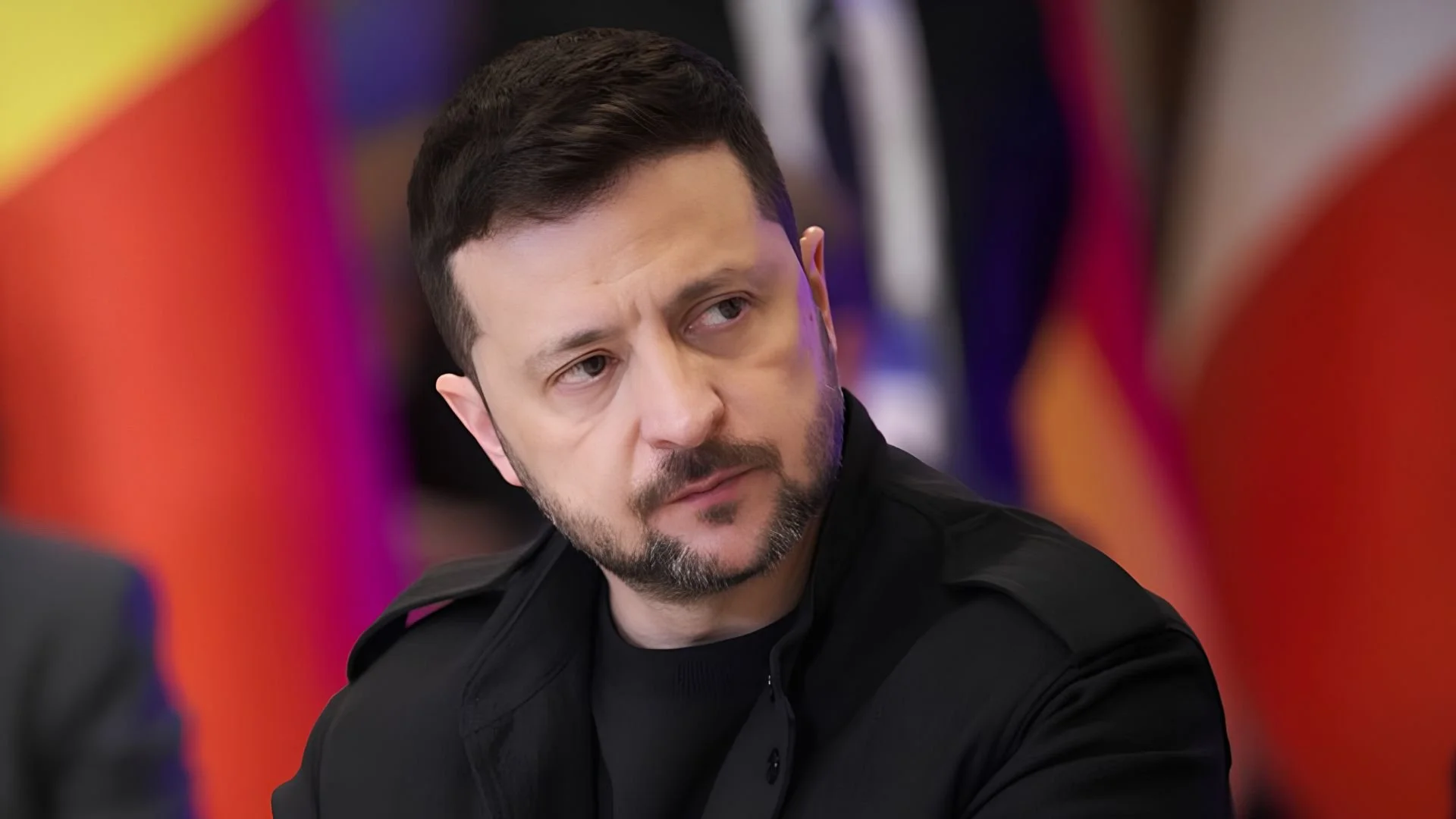
Ukrainian President Volodymyr Zelenskyy. (Photo: president.gov.ua)
Russian missiles struck Kyiv overnight into Thursday, hours after President Vladimir Putin agreed in principle to resume U.S.-brokered peace talks aimed at ending the war in Ukraine. The attacks damaged homes, transportation infrastructure and other civilian sites across the capital, according to Ukraine's State Emergency Service.
At least two people were killed and 34 wounded across Ukraine, including five children, according to Ukrainian President Volodymyr Zelenskyy, as reported by The Associated Press.
Zelenskyy said the barrage showed no real change in Moscow's attitude. Russia's Defense Ministry said it struck sites in Kyiv that make and store drones and cruise missiles, along with transportation infrastructure, and that its air defenses downed 808 Ukrainian drones overnight, including some aimed at Moscow.
The bombardment followed a day of renewed diplomatic activity in which Zelenskyy publicly endorsed a ceasefire that would stop the fighting along the existing front lines. Russia, meanwhile, agreed to return to negotiations without committing to halt its military operations.
In a Wednesday interview with Fox News' "Fox & Friends," Zelenskyy was asked whether he would accept an agreement that left Ukraine in control of at least 75% of its territory while freezing the war along current battlefield positions.
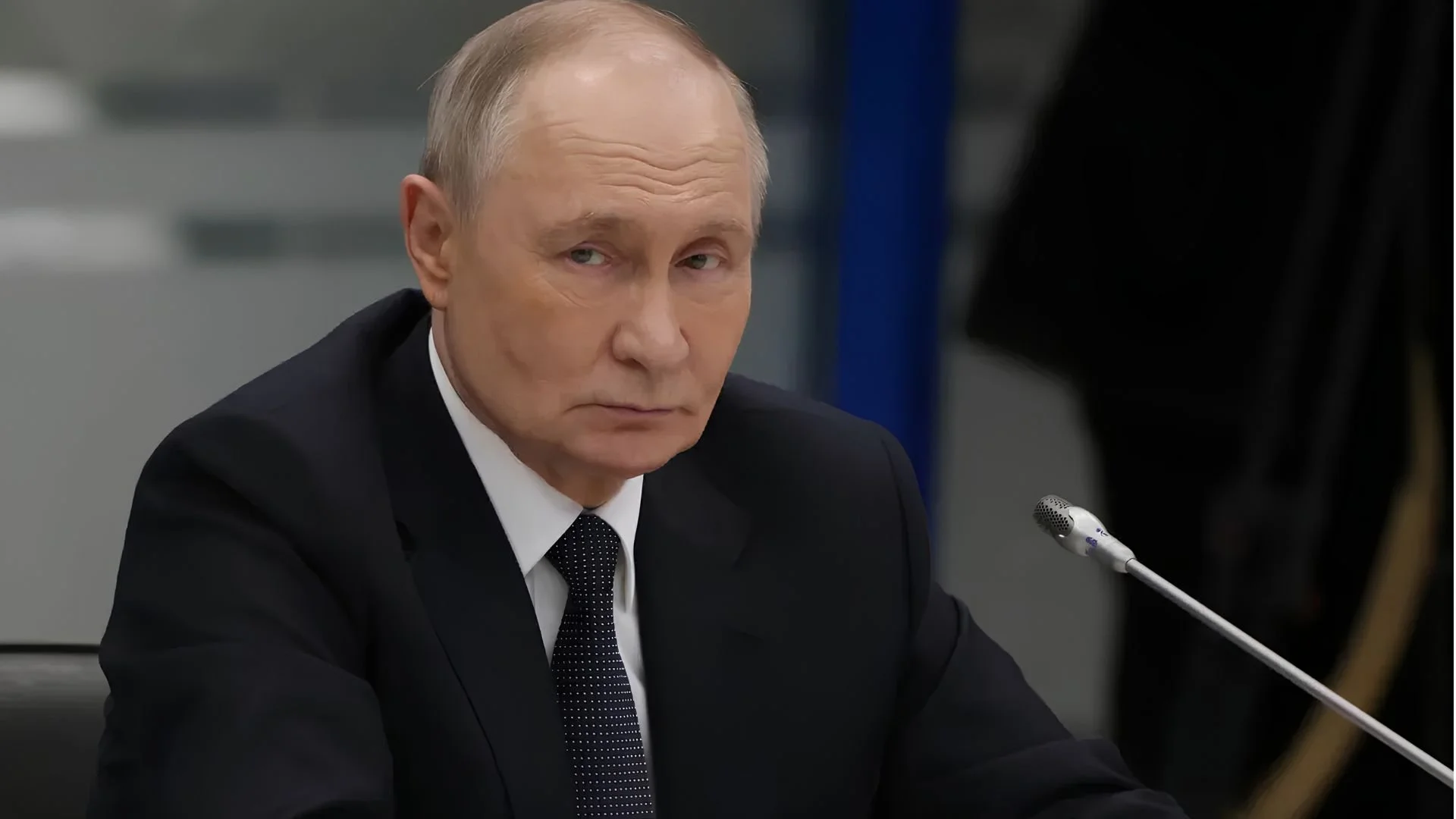
FILE - Russian President Vladimir Putin looks on while visiting a military base of the nuclear fleet in Murmansk, Russia, on March 26, 2025. (Photo: Getty Images)
"Yes, right now, we have to freeze," he told co-host Brian Kilmeade, describing an immediate halt to the fighting as a realistic path toward ending the conflict. He said Ukraine would then seek security guarantees from the United States and European allies to prevent another Russian assault.
Such an arrangement would leave Russian forces in control of the Ukrainian territory they currently occupy while negotiations over a permanent settlement continue. It would not, by itself, require Kyiv to formally recognize that territory as Russian.
Russia currently controls about 19% of Ukraine, including Crimea and territory seized before its full-scale invasion in February 2022, according to territorial assessments compiled by Russia Matters.
Zelenskyy's position is consistent with a proposal he outlined last December, when he called for both armies to remain where they stood while diplomats negotiated the unresolved issues. Moscow rejected that approach then, and its principal demands remain a major obstacle now.
Putin has insisted that Ukrainian forces withdraw from territory in the eastern Donbas region that Russia has not captured, a condition Kyiv has repeatedly rejected. Agreeing to those terms would require Ukraine to surrender additional land without a corresponding Russian military withdrawal.
The disagreement remains unresolved as another round of peace negotiations approaches.
Following a three-hour meeting with U.S. special envoy Steve Witkoff in St. Petersburg on Wednesday, Putin agreed "in principle" to resume talks involving Russia, Ukraine and the United States after Nov. 10, according to Kremlin foreign affairs adviser Yuri Ushakov. Abu Dhabi is being considered as a possible location.
The proposed discussions would focus on arrangements to secure Russia and Ukraine after the war, Ushakov said. He also criticized proposals Witkoff brought from earlier discussions with Ukrainian and European officials in Oslo, saying they offered little toward resolving the conflict, though he later told Russian state television the Oslo proposals were a step in the right direction.
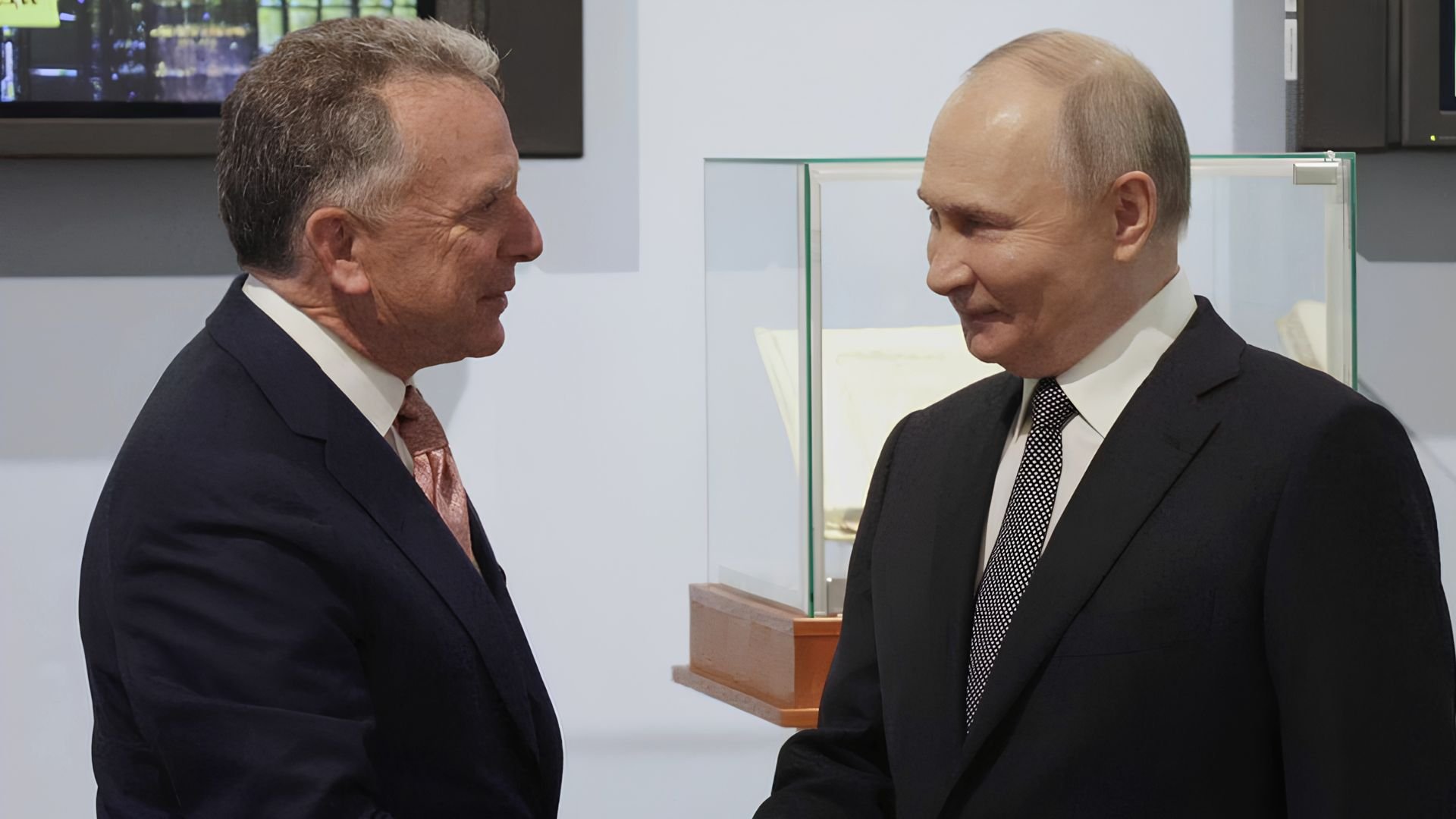
FILE - U.S. special envoy Steve Witkoff, left, and Russian President Vladimir Putin meet at the Presidential Library in St. Petersburg, Russia, on April 11, 2025. (Photo: Getty Images)
Three rounds of three-way talks earlier this year, in Abu Dhabi and Geneva, ended without a breakthrough. Zelenskyy welcomed the prospect of renewed discussions but expressed caution about Moscow's commitment.
"We'll see what happens this time," he said Wednesday, according to AP.
The renewed diplomatic effort comes amid growing tension between Kyiv and Washington over President Donald Trump's handling of the war.
On Oct. 16, Trump signed an executive order waiving broad sanctions and tariffs under the Lindsey O. Graham Sanctioning Russia and Iran Act of 2026, just days before the new measures were scheduled to take effect. Trump said imposing the restrictions could drive Russia away from negotiations toward a lasting settlement.
Zelenskyy criticized the decision, saying reduced economic pressure would encourage Putin to continue the war. Several Republican and Democratic lawmakers also objected, arguing that Russia should face greater consequences for its continued military campaign. Existing sanctions imposed under separate executive authorities were not automatically lifted by the waiver.
Trump has pressed Zelenskyy to reach an agreement and has publicly questioned the Ukrainian president's willingness to end the fighting. Kyiv maintains that any settlement must provide credible protection against future Russian aggression.
Despite the disagreements, some U.S.-Ukrainian military cooperation has resumed. Following Tuesday's talks with Witkoff in Oslo, Zelenskyy confirmed that Washington had restored intelligence sharing that provides advance warning of incoming Russian missile strikes. Those alerts give Ukrainian authorities and civilians valuable time to respond to attacks.
Zelenskyy has also sought the restoration of fuller access to satellite communications services used by Ukraine's military. He said Secretary of State Marco Rubio was working to address restrictions affecting the Starshield network.
Ukraine's president has insisted that Kyiv participate directly in negotiations about its future and that any final agreement receive the necessary approval from Ukraine's parliament. He has also tied a ceasefire to the country's reconstruction and the return of millions of displaced Ukrainians who have been unable to resume their lives at home.
For families living under repeated missile and drone attacks, the difference between a diplomatic agreement and an actual ceasefire carries immediate consequences. Winter is approaching, and renewed Russian attacks on Ukraine's energy infrastructure threaten heat and electricity.
After more than four and a half years of full-scale war, both governments have signaled a willingness to negotiate. They remain divided over the conditions for stopping the fighting.
The next test is whether Russia will agree to halt its military operations along the existing front lines, as Ukraine has proposed, or continue demanding territory beyond what its forces now control.