Prayer is the top spiritual reason in every racial group Barna surveyed, ahead of worship, joy in Jesus and the Word.
By EEW Magazine Online Editors
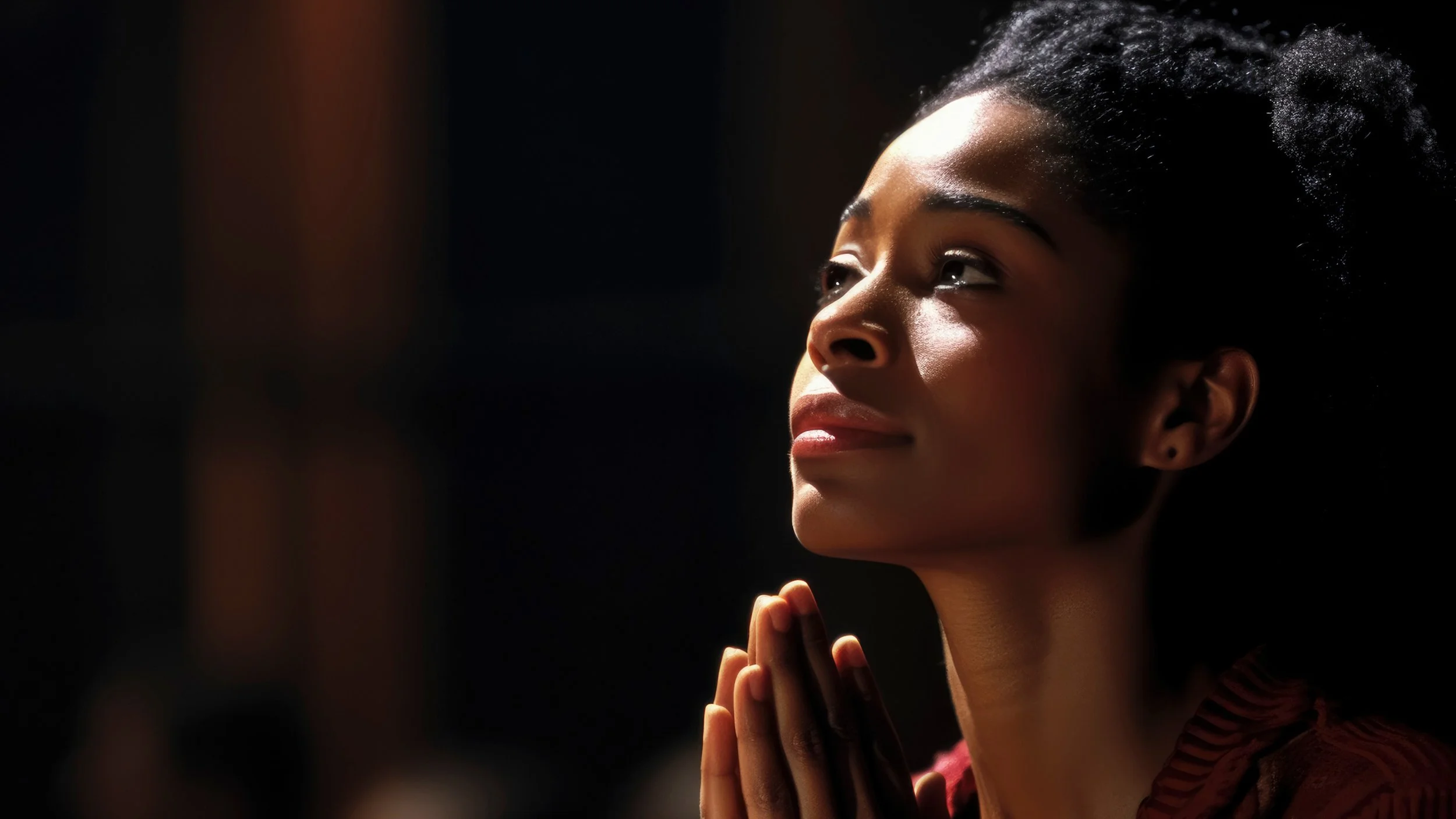
Black young adults were among the most likely to report attending church more often, according to Barna’s 2026 State of the Church research. (Photo: EEW Magazine Online File)
Black young adults are among the most likely Americans their age to say they are in church more often these days. Forty-one percent of Black adults ages 18 to 35 told Barna Group they attend more frequently than they did a year ago, tying young men for the largest increase of any group in the firm's new research. Asked separately what draws them spiritually, 48 percent of Black respondents named prayer.
The three-part study, released in September with the faith technology company Gloo, surveyed 3,049 Americans ages 18 to 35 in October 2025.
Across the full sample, one in three young adults said they attend more often, nearly half said nothing had changed and about one in five said they attend less. The survey compared attendance with a year earlier. It did not ask whether anyone had previously left the church.
Prayer ranked as the top spiritual reason in every racial group. It was chosen by 48 percent of Black and Hispanic young adults, 45 percent of white young adults and 40 percent of Asian young adults.
Across all respondents, worshiping Jesus with other people (38 percent), experiencing joy in Jesus (35 percent) and understanding what the Bible has to say (33 percent) followed prayer. About a quarter came to confess their sins or to experience physical healing (24 percent each).
Barna called Black young adults the most spiritually engaged group in the study, though margins of error for racial subgroups run larger than the full sample's 1.3 points, and some of the gaps are slim.
EEW Data
Why Young Adults Go to Church
Source: Barna Group and Gloo, State of the Church. Survey of 3,049 U.S. adults ages 18 to 35, Oct. 17-30, 2025.
Daniel Copeland, Barna's vice president of research, said the findings push against the idea that churches need sharper programs or better production to reach this generation. Young adults are "showing up for the simple offerings," he said, "prayer and worship shoulder to shoulder with other people."
Black young adults also stood out on the personal reasons Barna measured, ranking highest of any racial group on nearly every one. More than a third said they come to learn more about themselves, and nearly a third said they come to discover their spiritual gifts or find support for life's challenges.
Those numbers land against a harder backdrop. In a 2021 report, Barna found that 74 percent of Black adults identified as Christian, down from 89 percent in 2011, with Black Gen Z adults and millennials trailing older generations.
Barna found 45 percent of young adults say their church attendance has not changed in the past year, and 21 percent say they attend less. (Photo: EEW Magazine file photo)
Some of the study's most pressing findings cover young adults as a whole and women generally. Three in 10 young adults said better mental health is a reason they go to church, and about a quarter said they want deeper relationships with other Christians. Young women were among the least likely to report attending more, and among women ages 25 to 35, 30 percent said none of the personal reasons Barna listed motivate them to attend.
Barna's broader tracking shows men now outpace women in weekly attendance, 43 percent to 36 percent, the widest gap the firm has recorded in 25 years.
Barna describes its findings as "a traceable pattern" and stops short of declaring a movement. Pew Research Center, in a December 2025 report, found no clear evidence of a nationwide religious resurgence among young adults.
When Jesus cleared the temple, He quoted the prophets: "My house shall be called the house of prayer" (Matthew 21:13, KJV). Nearly two thousand years later, prayer is the spiritual reason young adults in Barna's survey name most often for walking through the door.