

Christian Emmanuel Sanon faces up to life in prison. The slain president’s widow, who testified against him, is now running for the office her husband held.
By EEW Magazine Online Editors
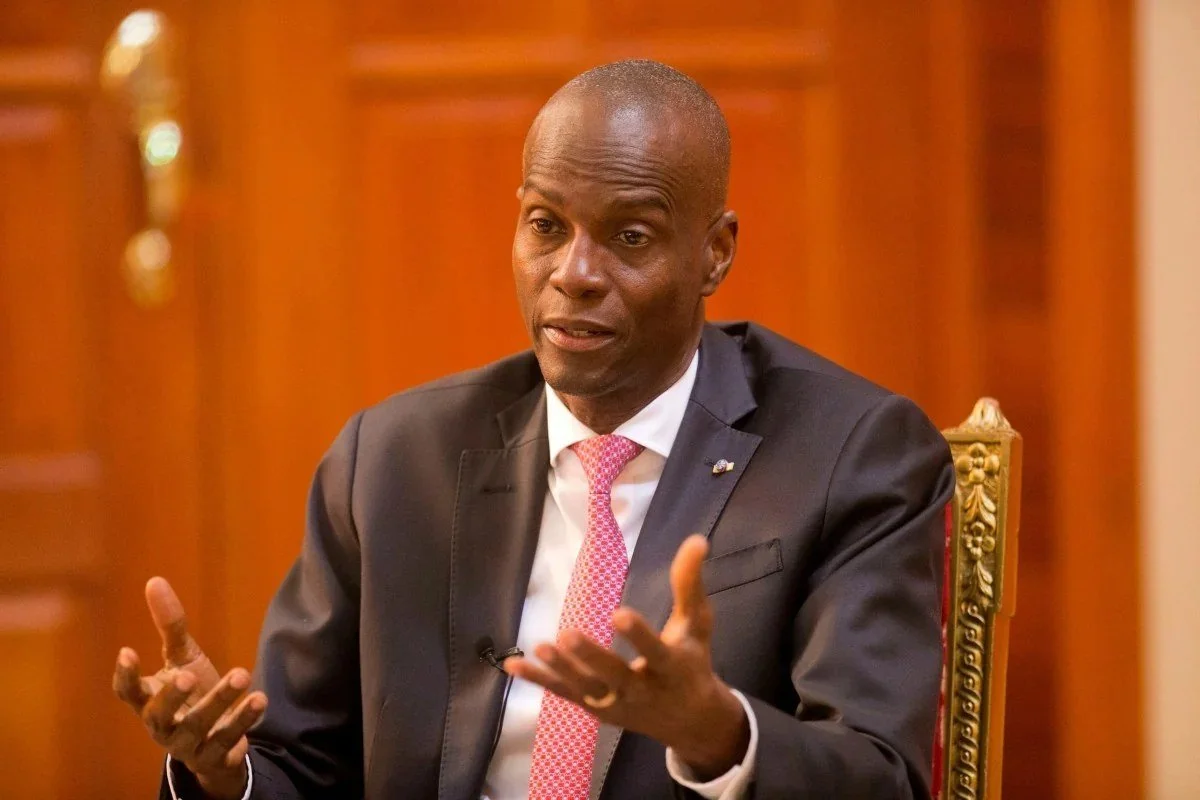
Haitian President Jovenel Moïse, shown during an interview, was killed in his home near Port-au-Prince on July 7, 2021. (Reuters)
A Haitian American pastor whom conspirators once planned to install as Haiti’s president was convicted Wednesday by a federal jury in Miami for his role in the plot that led to the July 7, 2021, assassination of President Jovenel Moïse. The verdict ended a nearly eight-week trial that featured emotional testimony from the slain president’s widow and daughter.
Christian Emmanuel Sanon, 68, was found guilty on all eight federal charges. The most serious was conspiracy to kidnap or kill a person outside the United States. He faces up to life in prison at sentencing on Feb. 10, 2027.
Sanon showed little reaction as the verdict was read, according to the Associated Press. His attorney, Zeljka Bozanic, said the defense would appeal. Sanon testified that he had talked with people seeking to replace Moïse. He said they had moved on to another candidate long before the assassination, and he denied knowing of any plan to kill the president.
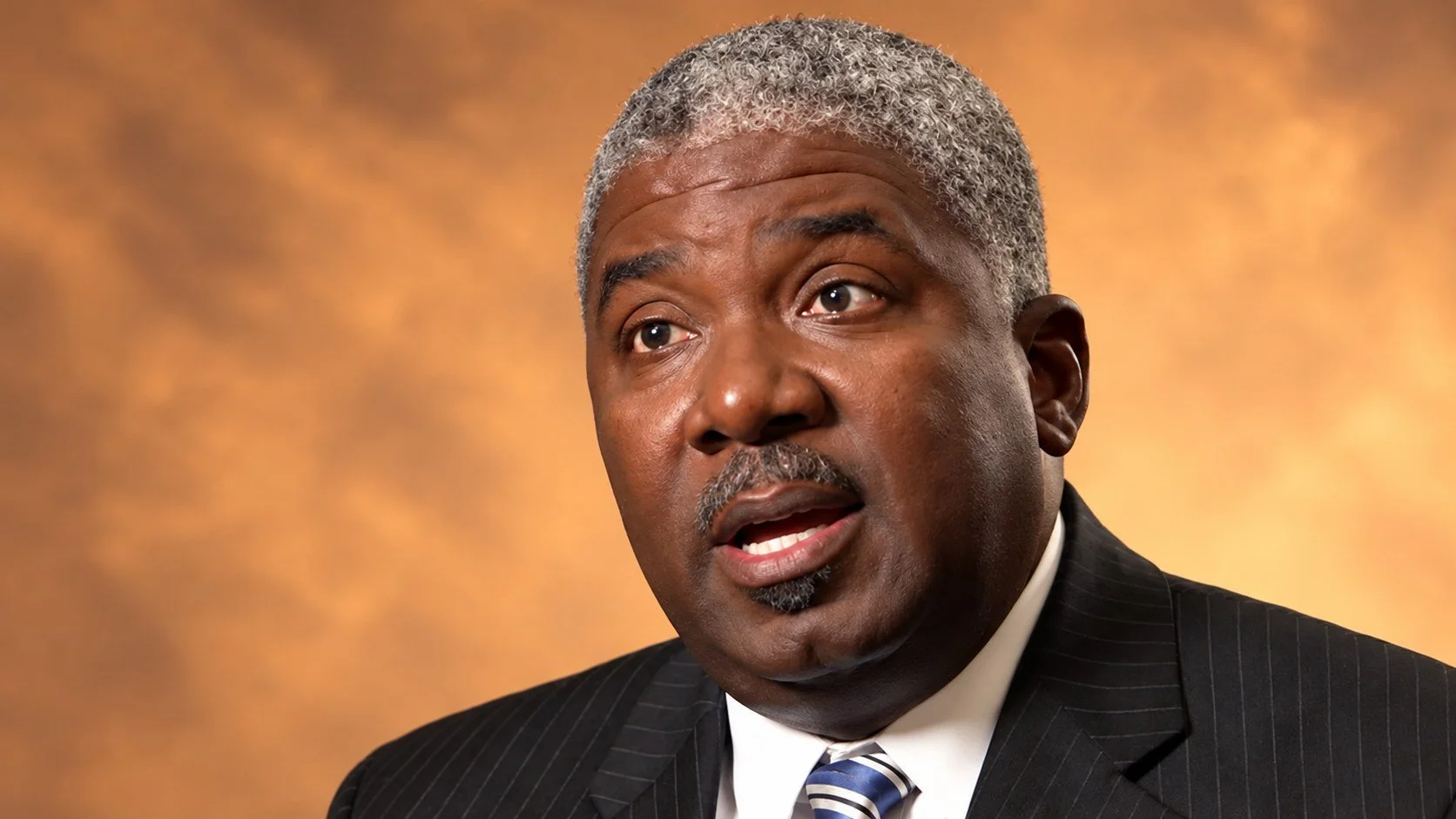
hristian Emmanuel Sanon, shown in a video posted to his YouTube channel, was convicted Wednesday on all eight federal charges in the plot that led to the assassination of Haitian President Jovenel Moïse. DrChristianSanon/YouTube/EEW Magazine Online
The government’s first witness was Martine Moïse, the former first lady, who was wounded in the attack. In emotional testimony on Sept. 29, she described the night armed men stormed the couple’s home near Port-au-Prince.
She has testified that she crawled downstairs to check on her two adult children, then returned to the bedroom to be with her husband. The attackers opened fire there, killing him and wounding her. A surgeon testified that her right elbow had to be fused and can no longer bend.
Their daughter, Jomarlie Moïse, 29, took the stand the next day. She told jurors she hid with her brother and the family dog, Delilah, in a bathroom with no windows. She held the dog’s mouth closed so she would not bark. When the shooting stopped, she found her mother upstairs, bleeding. A police officer told her that her father was dead.
Sanon was born in Haiti and moved to the United States as a teenager. The Florida Baptist Convention told Baptist Press that he worked for the convention from 1997 to 2001 in Haitian church planting and relief efforts.
Prosecutors said the plot took shape in South Florida in April 2021. Under the plan, Sanon would become president and award lucrative contracts to two Florida-based security companies known together as CTU. Prosecutors said he helped raise money and arranged travel and lodging in Haiti. The conspirators recruited former Colombian soldiers, gathered weapons and body armor, and tried to build ties with Haitian gangs. The Justice Department said part of the financing came from fraudulently obtained pandemic relief loans.
By June 2021, the conspirators had decided Sanon lacked the constitutional qualifications and popular support to become president. They turned to Wendelle Coq Thélot, a former Haitian Supreme Court judge who died in January 2025 while a fugitive.
Four other men were convicted in the conspiracy in May. In September, 18 more suspects, including 17 former Colombian soldiers, were flown from Haiti to Miami to face charges. U.S. prosecutors have charged more than 40 people in the case, and a dozen have been convicted.
Haiti has not elected a president since Moïse’s death. Gangs have expanded their reach, and nearly 1.5 million people have been forced from their homes, according to the United Nations. The first round of the presidential election is now set for July 18, 2027.
Martine Moïse is among 33 registered presidential candidates. A Haitian judge indicted her in 2024 in connection with the killing, an accusation she denied. An appeals court annulled the indictment in October 2025 and ordered a new investigation.
Sanon returns to court in February. Five months later, Haitians are scheduled to vote for president for the first time since the 2016 election that put Jovenel Moïse in office.
