

Overlooked in the Clinic, Judged in the Court: Black Mothers and Mental Health
A Massachusetts court case and new research show how Black mothers’ mental health can go unrecognized by doctors and unheard in court.
By EEW Magazine Online Health & Wellness Editors | In collaboration with the American Alliance for Black Mental Wellness (AABMW)
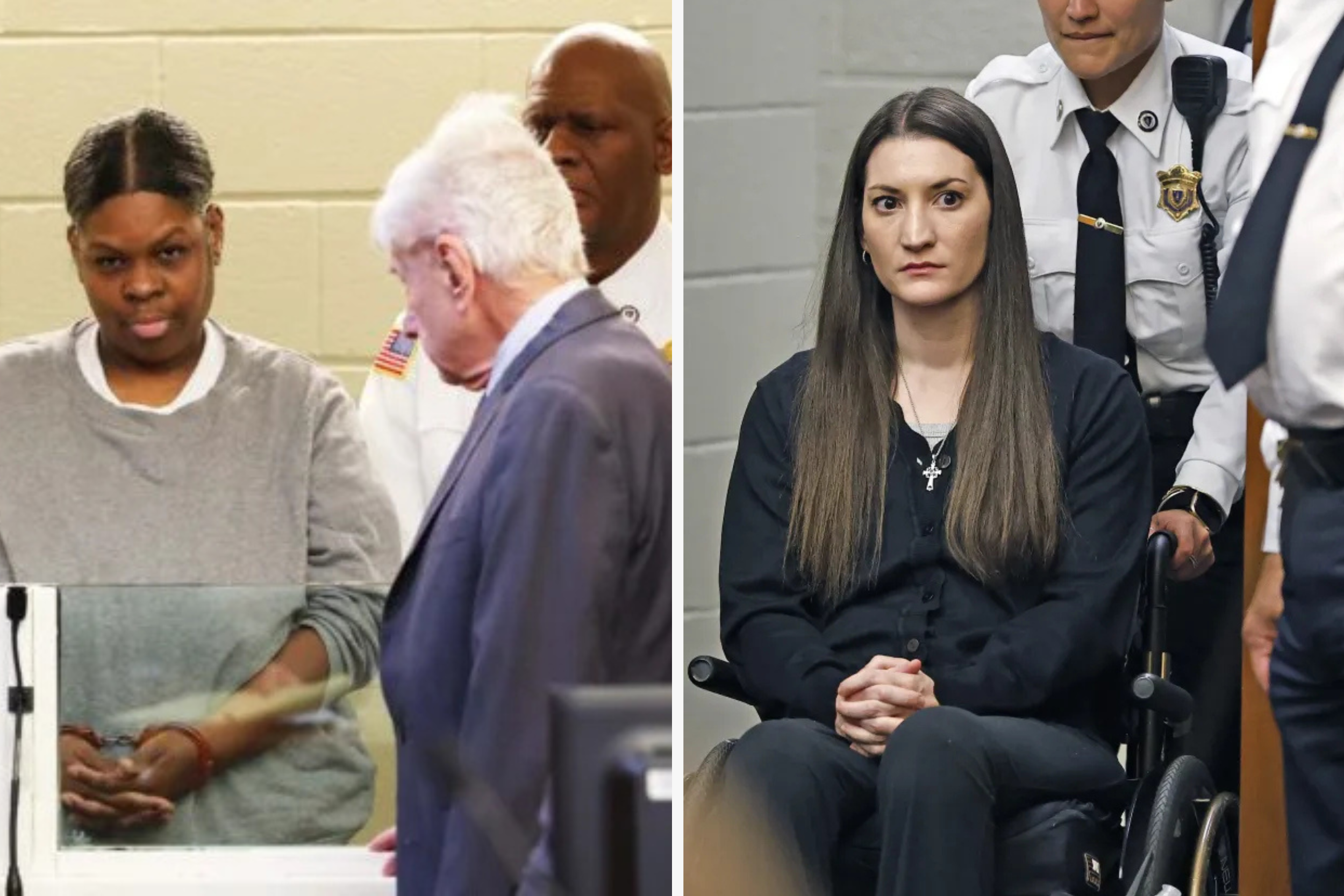
This combination of photos shows Latarsha Sanders, left, and Lindsay Clancy. Both argued that severe mental illness left them not criminally responsible for killing their children, and the same judge presided over both trials. (Credit: Composite by EEW Magazine Online. Left: Marc Vasconcellos/The Enterprise/USA TODAY NETWORK via Reuters; right: AP)
The same Massachusetts judge, William Sullivan, presided over the murder trials of two mothers who killed their children, and both women argued that severe mental illness left them not criminally responsible. Latarsha Sanders, a Black mother from Brockton, was convicted in 2022 of killing her two young sons and sentenced to life without parole. Lindsay Clancy, a White mother from Duxbury, admitted killing her three children in 2023 but maintained that she was suffering from postpartum psychosis. Her trial ended in a mistrial on Sept. 4 after jurors deadlocked 11-1, with 11 favoring acquittal on grounds of mental illness.
On Aug. 6, Massachusetts’ highest court overturned Sanders’ conviction because her jury was denied important medical records. Boston Globe columnist Yvonne Abraham and others have noted how much more sympathy Clancy received.
Sanders had no documented history of mental illness before the deaths of her sons, Marlon, 8, and La’Son, 5, in 2018. Her family later testified that she had become consumed by online videos about the Illuminati and feared the secret society was out to get her and her children. Hours after the boys were found, an emergency physician recorded anxiety and a stress reaction and noted that she did not appear psychotic.

Edson “Marlon” Brito, 8, and La’Son Brito, 5, left, and Cora Clancy, 5, Dawson Clancy, 3, and Callan Clancy, 8 months, right, were killed by their mothers in 2018 and 2023. (Photos courtesy of the families. Combination of photos: EEW Magazine Online)
In the months and years that followed, clinicians in prison and in a state psychiatric hospital diagnosed her with psychotic disorders, including schizophrenia-spectrum and schizoaffective disorders. A defense expert testified that she was “grossly psychotic” when she killed her sons.
The high court found that Sullivan wrongly kept those records from the jury, stripping her only defense of its medical foundation. A new jury will decide whether she was criminally responsible. Her case shows how serious mental illness can go unrecognized until it is too late.
Sanders’ illness is rare. Psychotic disorders differ from postpartum depression and anxiety. The latter affect far more women during pregnancy and after childbirth, and most mothers with these conditions never harm anyone. But Sanders’ story and the research point to the same problem: mental illness recognized late and care that falls short.
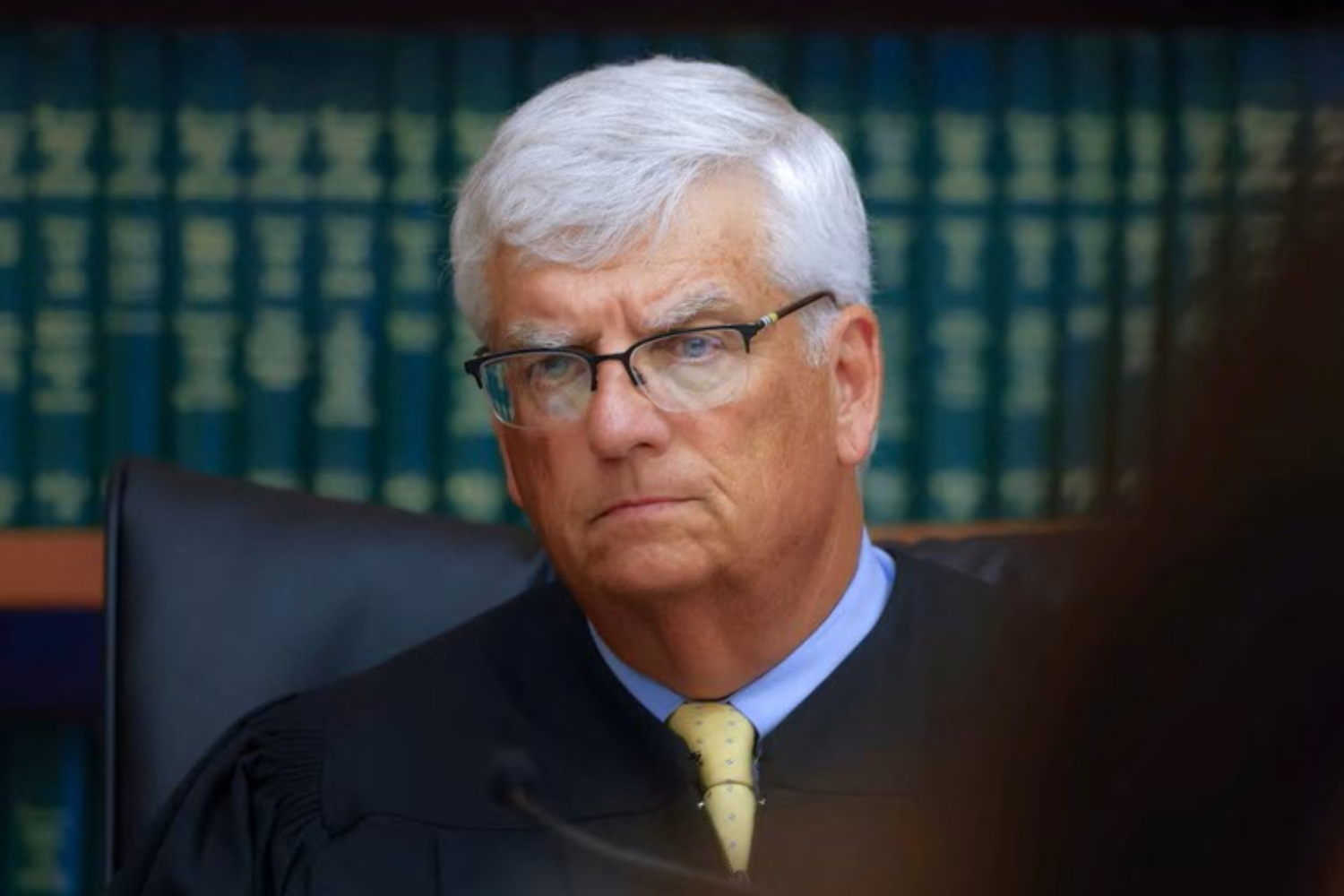
Judge William Sullivan indicates a mistrial in the Lindsay Clancy murder trial in Plymouth Superior Court in Plymouth, Massachusetts, on Sept. 4. Sullivan also presided over Latarsha Sanders’ 2022 trial. (Greg Derr/Pool via Reuters)
In a seven-part series, Abraham found that Massachusetts juries rejected the insanity defense in all but five of 41 first-degree murder trials since 1990. In Sanders’ case, prosecutors offered no expert to challenge the evidence that she was psychotic, the Globe reported. Abraham has argued that race and class shape which mothers are seen as sick and which are seen as evil.
It shows up in the clinic, too, where research published this year finds Black mothers’ symptoms of depression and anxiety less likely to lead anywhere. In Michigan, among mothers on Medicaid who reported those symptoms, White mothers were more than twice as likely as Black mothers to be diagnosed. That gap held steady for five years.
In Indiana, Black mothers were more likely to be screened and less likely to be diagnosed than White mothers.
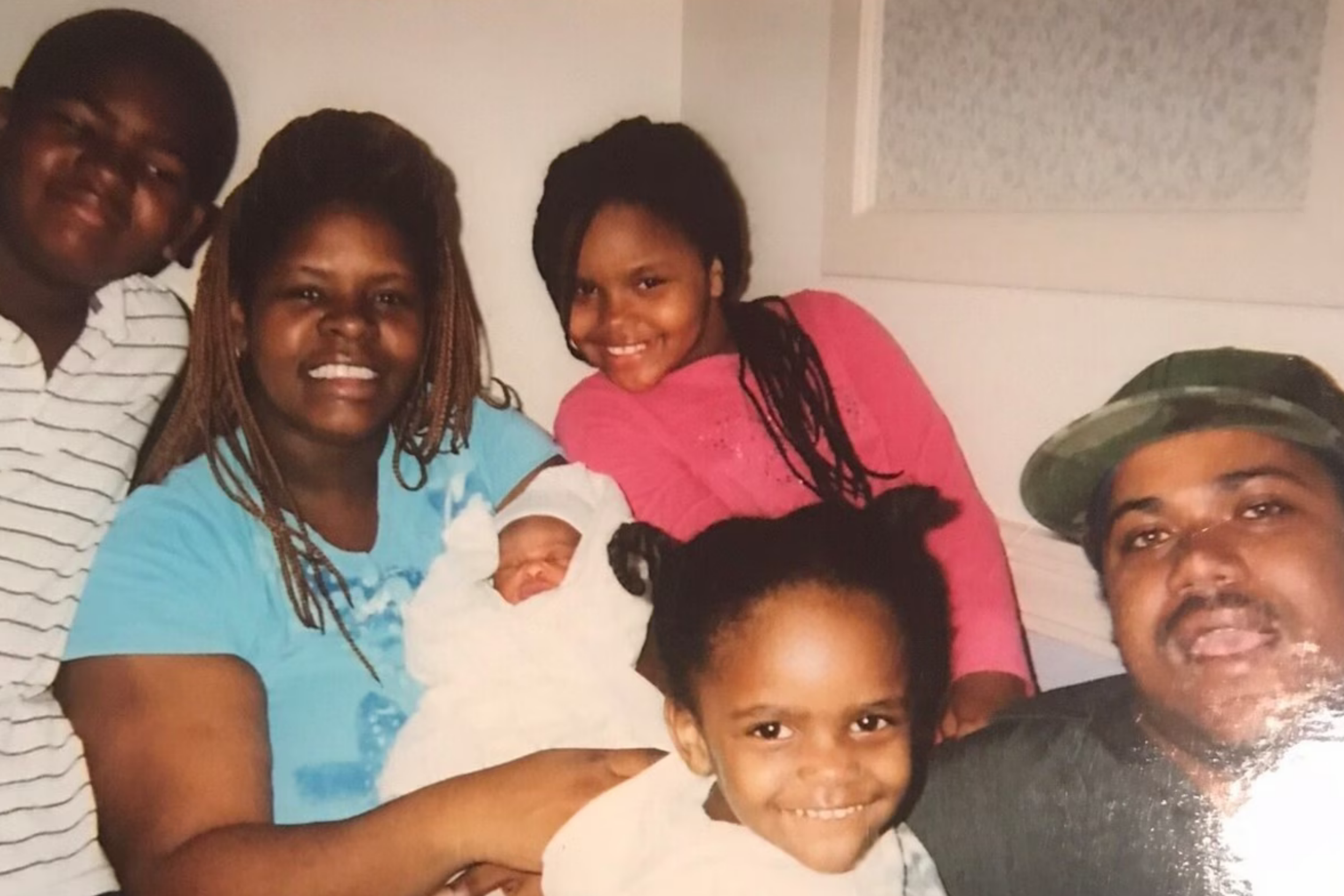
Latarsha Sanders, second from left, holds a newborn in an undated family photo. Court records describe her as a loving and affectionate mother before she killed her sons, Marlon, 8, and La’Son, 5, in 2018. Her 2022 murder conviction was overturned in August, and she will face a new trial. (Photo courtesy of the family)
Even a diagnosis is no guarantee of help. A 2024 study across six states and New York City followed new mothers with depression symptoms. Within a year of giving birth, about 37% of Black mothers received mental health care, compared with 67% of White mothers.
The cost of missed symptoms can be high. In New Jersey, some mothers’ screenings showed warning signs, yet they left the hospital without a diagnosis. In the following year, they had more than twice the odds of a psychiatric emergency room visit compared with mothers who screened negative. That study shows a link and cannot prove the missing diagnosis caused those visits.
Policy can move the numbers. After Michigan’s Medicaid program required pediatric providers to screen mothers for postpartum depression during their babies’ checkups, postpartum depression diagnoses improved among Hispanic mothers relative to White mothers. Medication treatment improved among Black and Hispanic mothers. The gaps narrowed, though they did not close.
Mothers can press for that follow-through. The American College of Obstetricians and Gynecologists recommends depression and anxiety screening at the first prenatal visit, again later in pregnancy and after the baby arrives. If you are pregnant or have recently given birth and something feels wrong, say so, and keep saying so. Ask how your screening results were read and what comes next. If no one listens, ask for a referral or find another provider. Family, friends and church leaders who notice a change can help a mother get care.
The American Alliance for Black Mental Wellness, which partnered with EEW on this report, said in a statement: “Too many Black mothers find the courage to say they are struggling, and then nothing happens. A screening means very little without someone who follows through with a diagnosis, treatment and support. Our mothers deserve to be believed the first time they speak up.”
A screening form is a promise that someone will act on the answers. Every health system that asks Black mothers about their mental health owes them a diagnosis when the symptoms are there, treatment when they need it and care that continues through the first year after birth.
Pregnant and new mothers, and the people who love them, can call or text the National Maternal Mental Health Hotline at 1-833-TLC-MAMA (1-833-852-6262) for free, confidential support 24 hours a day. Anyone in crisis can call or text 988. Anyone in immediate danger should call 911 or go to the nearest emergency room.
Disclosure: EEW Magazine Online founder Dianna Hobbs co-founded the American Alliance for Black Mental Wellness with Kenya Hobbs.