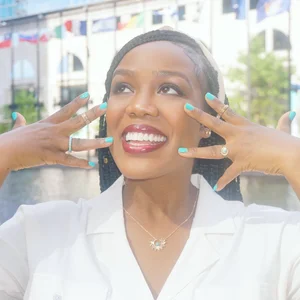
The former BET and MTV host died at 52 after living with breast cancer for more than six years. Her candid account of skipped mammograms, hard treatment choices and early detection still carries a lesson for women today.
By EEW Magazine Online Health & Wellness Editors
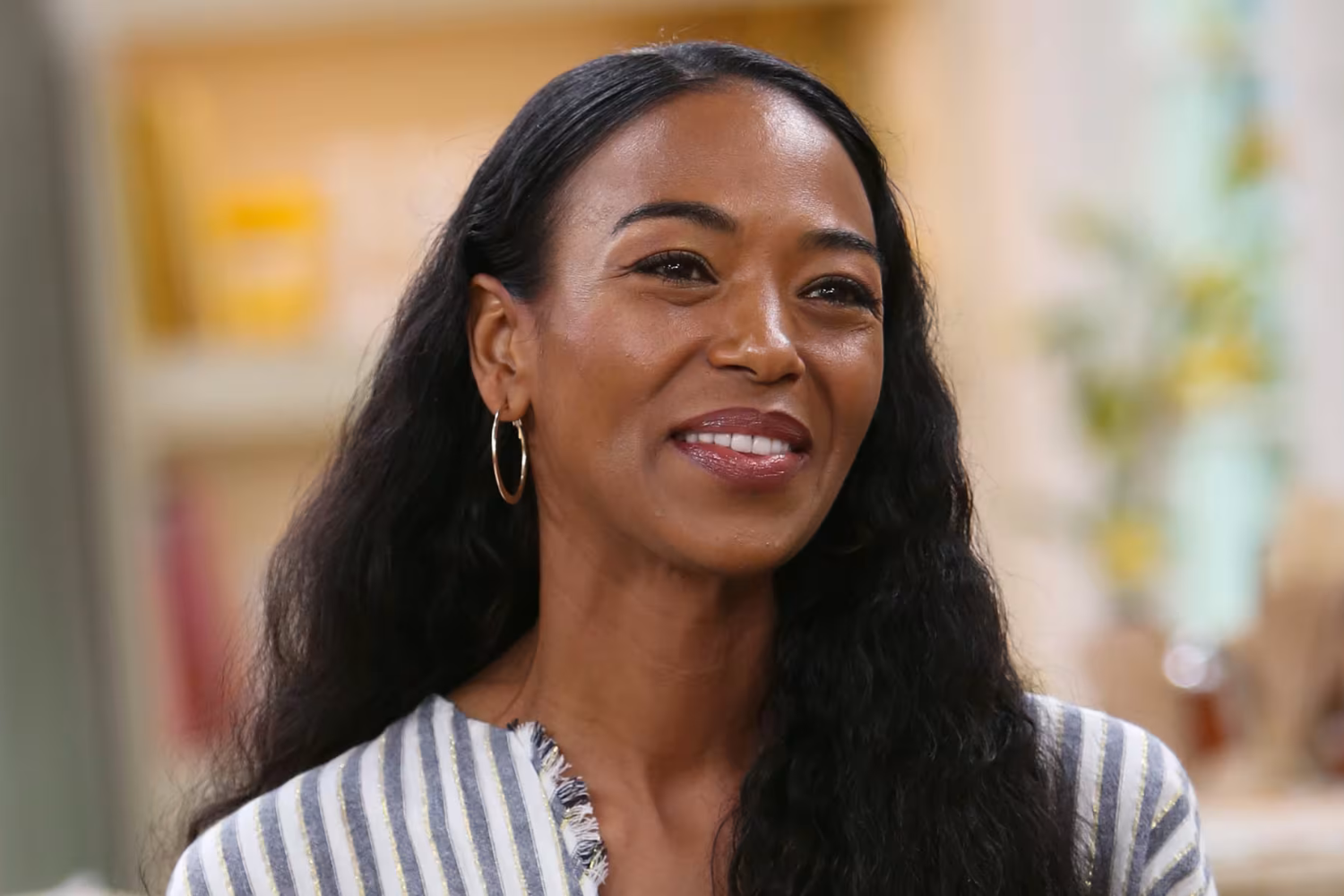
Ananda Lewis Ananda Lewis visits Hallmark’s “Home & Family” at Universal Studios Hollywood on March 21, 2019, in Universal City, Calif. Lewis, the former BET “Teen Summit” host and MTV VJ, died June 11, 2025, at 52. (Credit: Paul Archuleta/Getty Images)
In October 2020, at the start of Breast Cancer Awareness Month, Ananda Lewis looked into a camera and admitted to a decision she hoped no other woman would repeat. For years she had refused mammograms, convinced the radiation might do more harm than good. By the time she found a lump through a self-exam, the cancer in her breast had reached stage 3 and spread to her lymph nodes. “For a really long time, I have refused mammograms, and that was a mistake,” she said in the Instagram video announcing her diagnosis.
Lewis, who rose to fame as host of BET’s “Teen Summit” before becoming one of MTV’s best-known VJs, died June 11, 2025, at 52. Her sister, Lakshmi Emory, announced her death on Facebook with a brief farewell: “She’s free, and in His heavenly arms.” Lewis was diagnosed in 2019, and her cancer progressed to stage 4 in 2023.
Her openness about the illness became one of her final contributions to the women who grew up watching her.
Lewis’s distrust of mammograms was personal. In the 2020 video, she explained that her mother had mammograms for nearly 30 years and was still diagnosed with breast cancer. Lewis drew her own conclusion at the time: “Radiation exposure for years equals breast cancer. Yeah, I’m going to pass.”
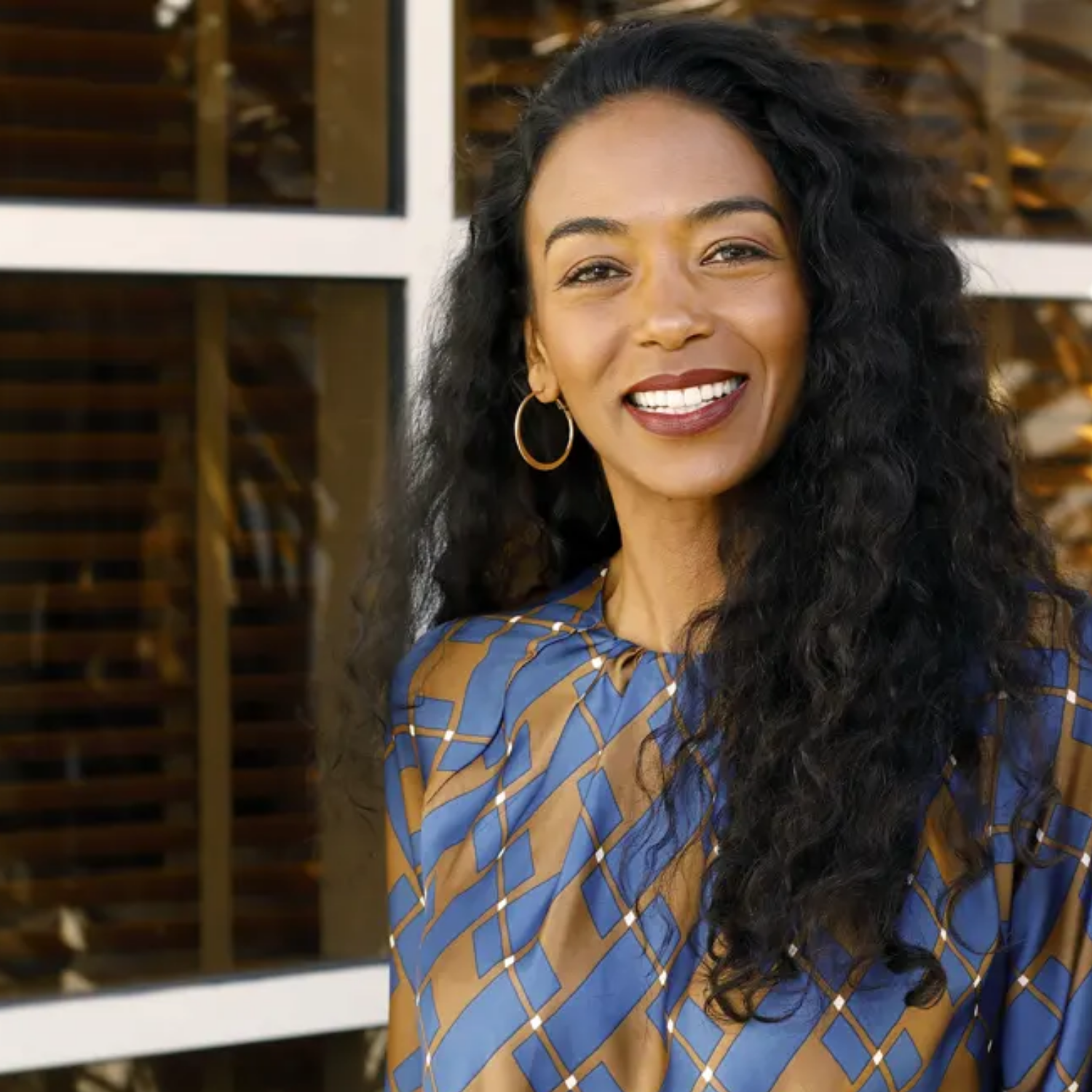
Ananda Lewis spent her final years urging women to take early detection seriously. (Courtesy photo, File)
She came to see the cost of that reasoning. Screening is designed to catch suspicious changes early, often before a woman can feel anything, when treatment is more manageable. Had she started mammograms at 40, Lewis said, doctors “would have caught the tumor in my breast years before I caught it through my own breast exam.” She also pointed out that her diagnosis required two PET scans, which she said exposed her to far more radiation than routine mammograms would have.
After her stage 3 diagnosis, doctors recommended a double mastectomy. Lewis declined. She changed her diet, prioritized sleep and pursued a range of alternative therapies, along with radiation, medication and, later, a form of chemotherapy.
Lewis revealed that her cancer had spread to stage 4 during an Oct. 15, 2024, CNN roundtable. Joining her were correspondent Stephanie Elam, her best friend since their freshman year at Howard University, and anchor Sara Sidner, who had recently completed treatment for her own breast cancer. “I decided to keep my tumor and try to work it out of my body a different way,” Lewis told them. Of the double mastectomy she had turned down, she said, “You know what, maybe I should have.”
The next day, on BlackDoctor.org’s “Soulibration” with host Shameika Rhymes, Lewis clarified those remarks. She said she still believed she had made the right decision for herself, while conceding, “It might have been a mistake for me not to have surgery. I don’t know.” Her greatest regret was clear. “My biggest mistake is the one I’ve shared from the beginning: not getting my mammograms,” she said. She added that she remained on the fence about mammography and pointed to other detection tools, including ultrasound.
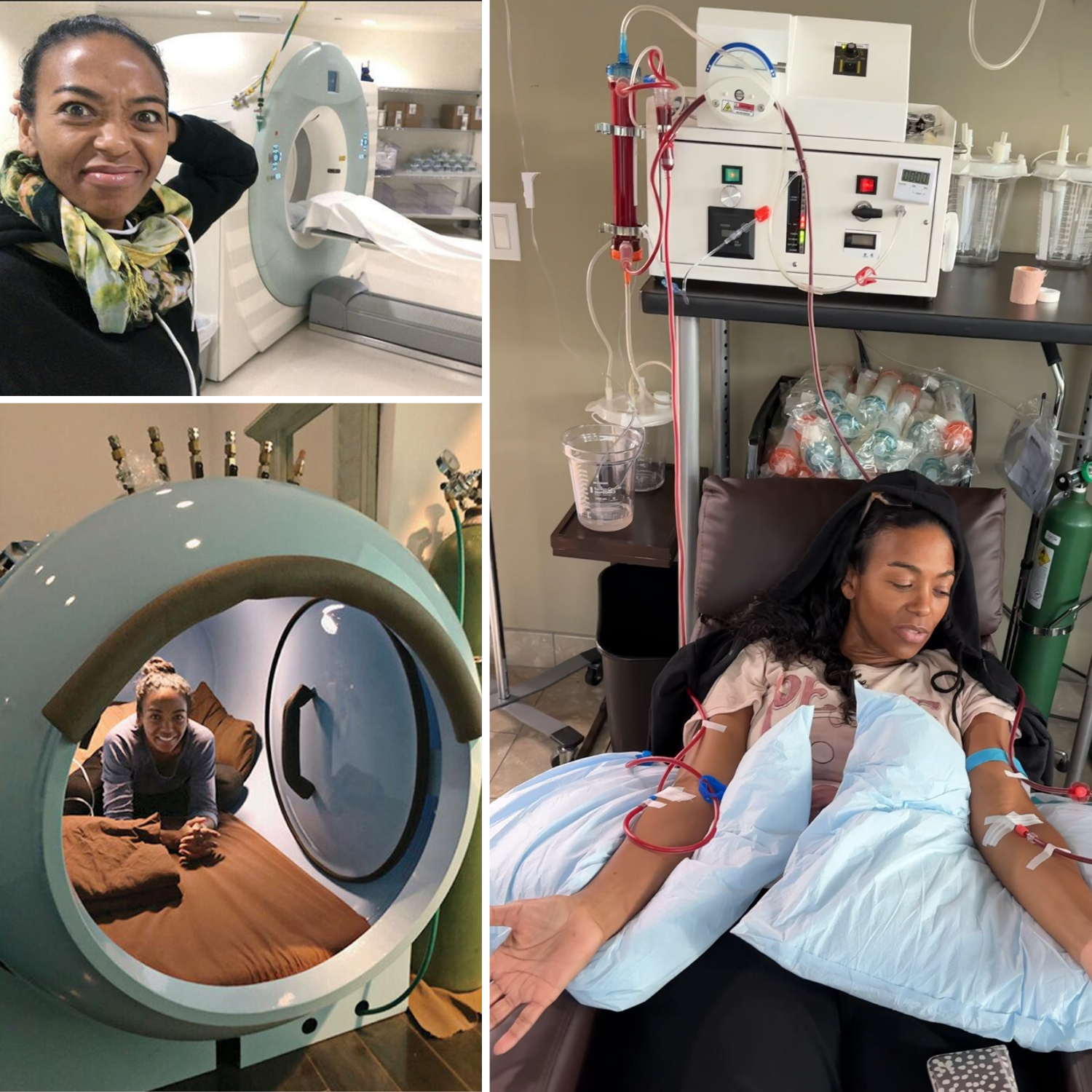
Ananda Lewis documented her treatment, including imaging scans, hyperbaric chamber sessions and other therapies. In a January 2025 essay for Essence, she described the mix of alternative and conventional approaches she pursued. (Essence)
Her choices were shaped by motherhood as much as medicine. Speaking with ABC News’ Kelley L. Carter, Lewis said she was a stay-at-home mom homeschooling her son, Langston, when surgery was recommended. “I couldn’t handle doing such a drastic surgery in my life at that time,” she said. On CNN, she described quality of life as central to every decision she made.
Her words reveal how frightening and complicated treatment decisions become when a woman is weighing her own health against the needs of the people who depend on her.
They also raise an important medical point. According to the American Cancer Society, surgery is a central part of treatment for most women with stage 1 through stage 3 breast cancer. It is often paired with chemotherapy, radiation, hormone therapy or targeted drugs. Good nutrition, rest and stress management can support a patient’s overall health. Alternative therapies, however, have not been shown to replace standard cancer treatment.
Whether a different path would have changed Lewis’s outcome cannot be known from her public account. After her death, Elam told CNN viewers that her friend “was at peace with this decision.” Lewis’s experience shows the value of understanding medical evidence, raising fears openly with cancer specialists and seeking a second opinion when a decision feels impossible.
For Black women, her warning carries particular urgency. According to the American Cancer Society, Black women are about 5% less likely than white women to be diagnosed with breast cancer, yet 38% more likely to die from it. They are about twice as likely to be diagnosed with triple-negative breast cancer, an aggressive subtype with fewer treatment options, and are more often diagnosed at younger ages and later stages.
The U.S. Preventive Services Task Force recommends mammograms every other year for women ages 40 to 74 at average risk, estimating that starting at 40 could save nearly 20% more lives. The American Cancer Society recommends yearly mammograms from 45 to 54, with the option to begin at 40 and to move to every other year at 55. Some groups, including the American College of Radiology, recommend yearly screening beginning at 40.
Women with a family history of breast cancer or other risk factors may need earlier or additional screening. Lewis, whose mother had the disease, later acknowledged that her own risk was higher because of that history.
Screening also depends on follow-through. A lump or any unusual change in the breast warrants a medical visit, even after a normal mammogram.
Lewis spent her final years speaking openly about the choice she regretted most. More than a year after her death, during another Breast Cancer Awareness Month, the plea from her first video still stands: “I need you to share this with the women in your life who may be as stubborn as I was about mammograms, and I need you to tell them that they have to do it.”