

Peptides are being promoted for weight loss, younger-looking skin and faster healing. As TikTok restricts searches and federal officials consider loosening regulations, here’s what women should know about the science and the risks.
By EEW Magazine Online Health & Wellness Editors
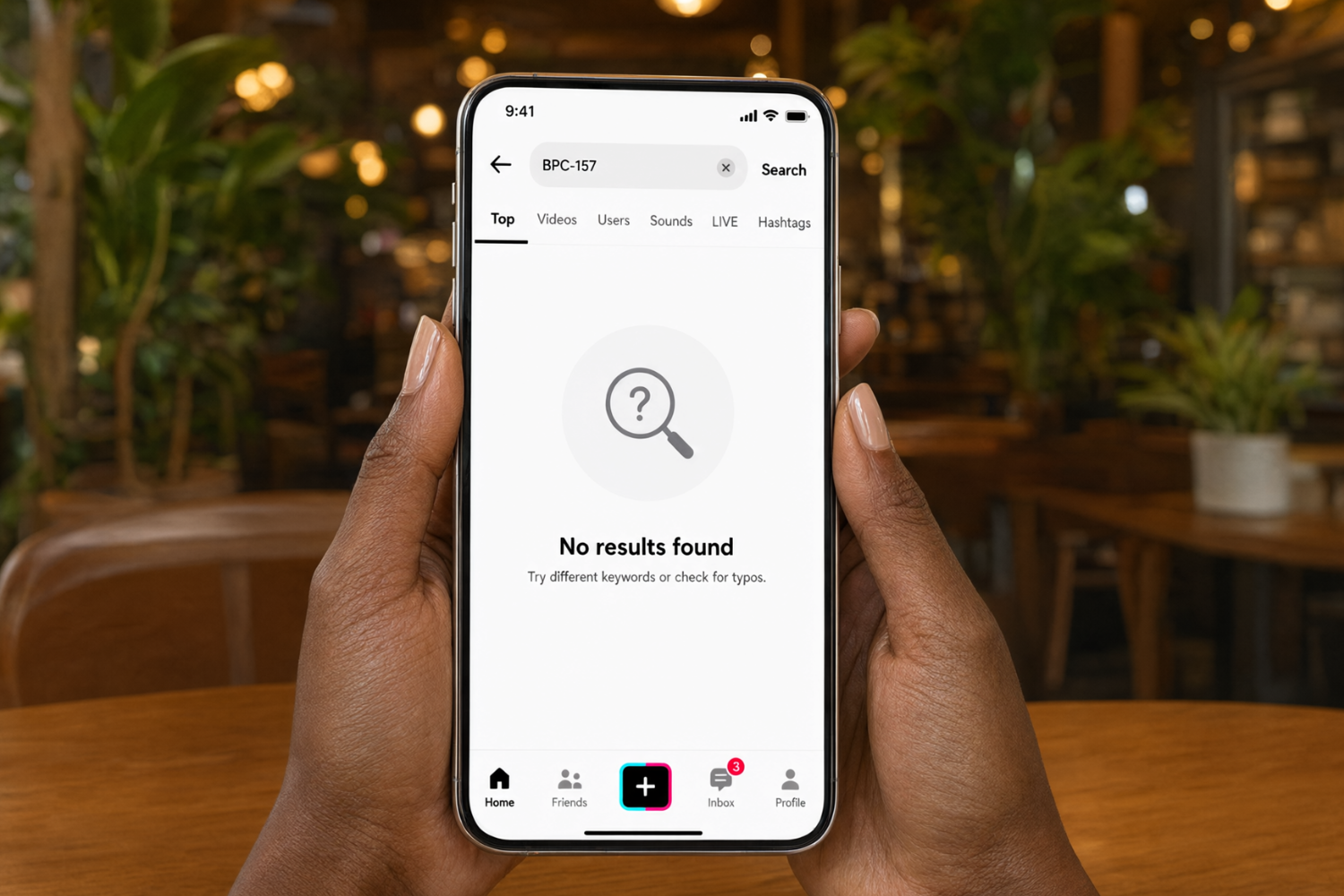
earches for popular peptides such as BPC-157 now return no results on TikTok, though the broader term “peptides” still brings up videos. (Credit: Photo illustration by Emma Peterson/EEW Magazine Online)
Scroll TikTok long enough this fall and one word keeps surfacing: peptides. Women stand in their bathrooms holding up tiny vials, crediting them for clearer skin, flatter stomachs and relief from aching joints. Men film themselves filling syringes before heading to the gym. The videos promise everything from faster healing to a more youthful appearance, and millions of people are watching.
Now another conversation is spreading alongside the testimonials. Creators say TikTok is removing their peptide content, banning accounts and hiding the topic from search. On Oct. 20, The Verge confirmed that searches for several popular peptides, including BPC-157, retatrutide and semaglutide, were returning no results. Semaglutide, the active ingredient in Ozempic and Wegovy, is approved by the FDA. Searches for the broader word “peptides” still worked, and alternate spellings brought up videos. The publication found no evidence of widespread video removals. TikTok did not immediately respond to its request for comment.
Monthly searches for the term climbed from about 201,000 in April 2025 to more than 1.2 million by March 2026, according to market research reported by Her Campus. Researchers writing in The Conversation have documented more than 230 million TikTok views of peptide-related content.
Peptides themselves are nothing new. They are short chains of amino acids, the building blocks of proteins, and the human body produces many naturally. Insulin is a peptide. So are medications such as semaglutide, sold as Ozempic and Wegovy, and tirzepatide, sold as Mounjaro and Zepbound. Those prescription medications underwent extensive clinical trials and received FDA approval for specific medical uses. Collagen peptides sold as dietary supplements and peptides used in skin creams fall into different product categories.
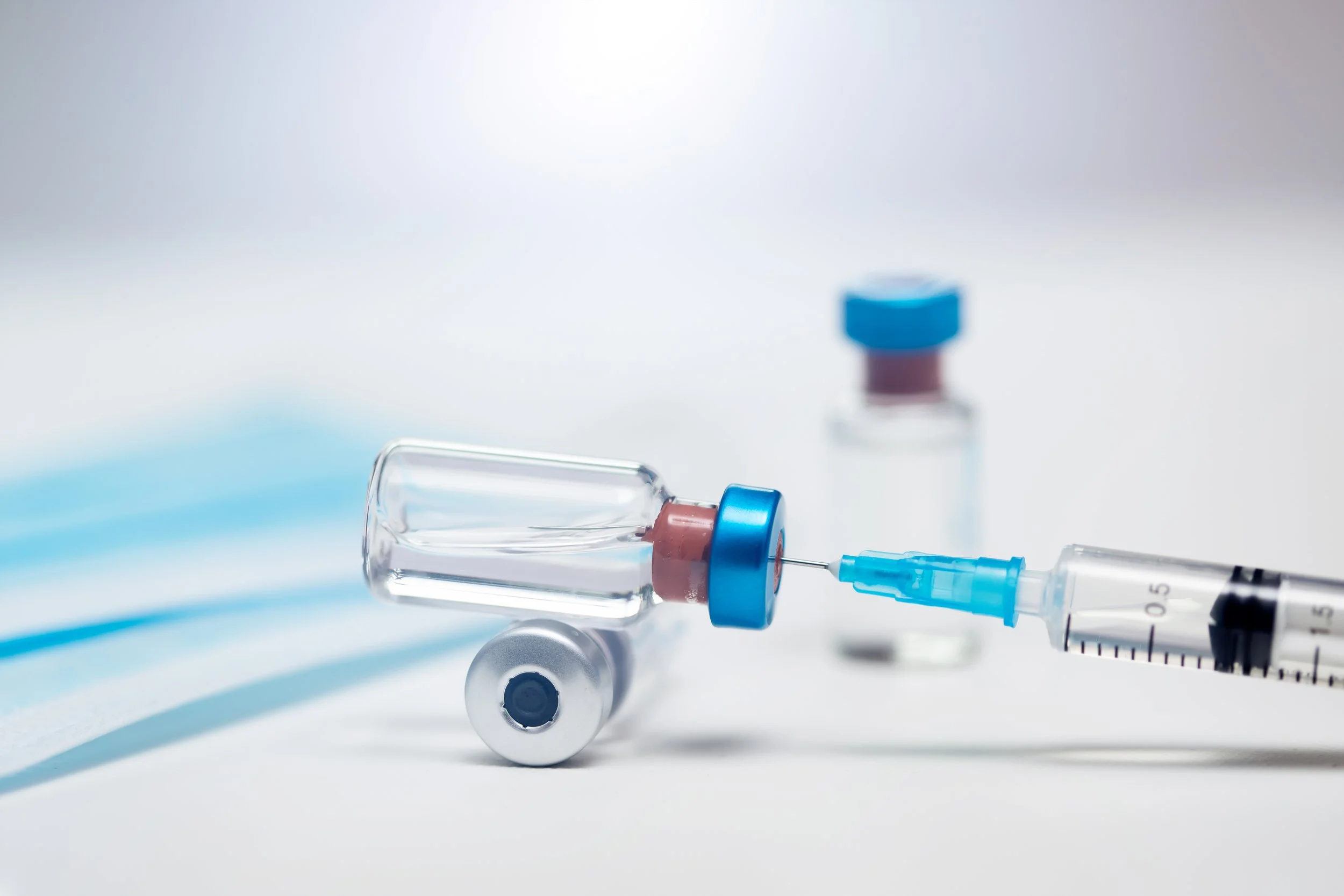
Many experimental peptides promoted on TikTok are sold online as injectable vials labeled “for research use only,” though the FDA has not approved them for human use. (Credit: EEW Magazine Online/File)
The growing concern centers on experimental substances such as BPC-157, TB-500 and injectable GHK-Cu. None has FDA approval as a drug. Sellers market them for injury recovery, weight loss, skin rejuvenation and other benefits, frequently under labels saying the products are intended for research rather than human use. Some sellers also provide instructions for injecting them.
BPC-157, among the most heavily promoted, was developed by Croatian scientists studying compounds associated with stomach fluid. Promoters sometimes describe it as safe because it is natural or already produced by the human body. Stanford peptide scientist Katrin Svensson told KFF Health News that researchers have found no trace of BPC-157 in the human genome. “Natural things can be toxic,” she said.
The evidence for BPC-157’s advertised benefits remains limited. Animal studies have produced encouraging findings, but well-controlled human trials are lacking. FDA scientists reviewed a published summary of a small 2005 human trial involving inflammatory bowel disease and found that it lacked essential information needed to evaluate the results. A separate study involving 16 patients with knee pain had no control group, making it impossible to determine whether BPC-157 caused the reported improvements.
People who have taken experimental peptides described migraines, eye pain, anxiety and fatigue in an October KFF investigation. Their accounts cannot establish that the substances caused every symptom, but they raise safety questions that adequate clinical trials would need to investigate.
In a published study, Australian researchers tested three products sold online as retatrutide, an experimental weight-loss drug. The products contained between 51% and 190% of their labeled doses. A consumer purchasing a vial containing nearly twice the advertised amount could unknowingly inject far more than intended.
TikTok’s community guidelines prohibit promoting or facilitating sales of regulated and high-risk products, including certain drugs and weight-loss products. Still, enforcement has drawn criticism from creators who say their educational content is being penalized while commercial advertising continues. One creator who posted near-daily peptide explainers wrote on Substack that her account was permanently banned while GLP-1 telehealth companies kept running paid ads.
A Forbes investigation published Oct. 7 found that TikTok cut the number of violations that get an advertiser immediately banned from 37 to 13 last year. Selling fake GLP-1 drugs and weight-loss miracle products no longer triggers a suspension. A TikTok source told Forbes that executives viewed weight-loss drugs and peptides as major opportunities for new revenue. TikTok called the reporting false, saying it prohibits deceptive advertising and continues to strengthen enforcement.
Physician Céline Gounder documented peptide sellers recruiting TikTok affiliates who earn commissions through discount codes. Some creators use terms such as “peppers” and “pep” to work around content moderation. The personal success stories can sound convincing, especially when viewers have no reason to suspect the speaker is earning money from their purchases.
In July, an FDA advisory panel recommended easing compounding restrictions on six of seven experimental peptides under review, despite agency scientists’ concerns about insufficient safety evidence. Several advisers have financial ties to the peptide industry, although federal health officials say committee members meet FDA ethics requirements.
A proposed federal policy could allow licensed compounding pharmacies to prepare some experimental peptides, though the substances would remain unapproved drugs. (Credit: Getty Images)
On Oct. 14, a proposed interim access policy for compounding certain peptides reached the White House for review. The proposal could permit licensed pharmacies to prepare some currently restricted peptides, including BPC-157, according to the Associated Press. The policy’s full details have not been released. Even under the policy, those peptides would remain unapproved drugs.
For women navigating midlife changes, the marketing can be especially persuasive. Joint pain, changes in weight, thinning hair, shifting skin texture and lingering fatigue are real concerns. A promising testimonial from someone experiencing similar symptoms can make an unfamiliar treatment seem worth trying.
The scientific evidence deserves greater weight than the promises. FDA-approved peptide medications have established uses and known risks that physicians can evaluate with their patients. Experimental injections purchased online have far less reliable information about their safety, effectiveness and contents.
Before considering any injectable peptide, ask a qualified healthcare professional whether it has FDA approval, what human studies support its advertised benefits, and what is known about its risks. Neither a seller’s research label nor an appealing transformation video can answer those questions.
Scripture calls the body “the temple of the Holy Ghost” (1 Corinthians 6:19, KJV). Caring for that temple involves thoughtful decisions about our health and a willingness to ask difficult questions of anyone who profits from our trust.
Bring the video to your doctor before you bring the vial home.