

Lay leaders at St. Luke Community United Methodist Church have run a support group and an annual symposium for a decade. A new denominational grant will certify more of them to lead trauma education and connect neighbors with licensed counselors.
By EEW Magazine Online Wellness Editors
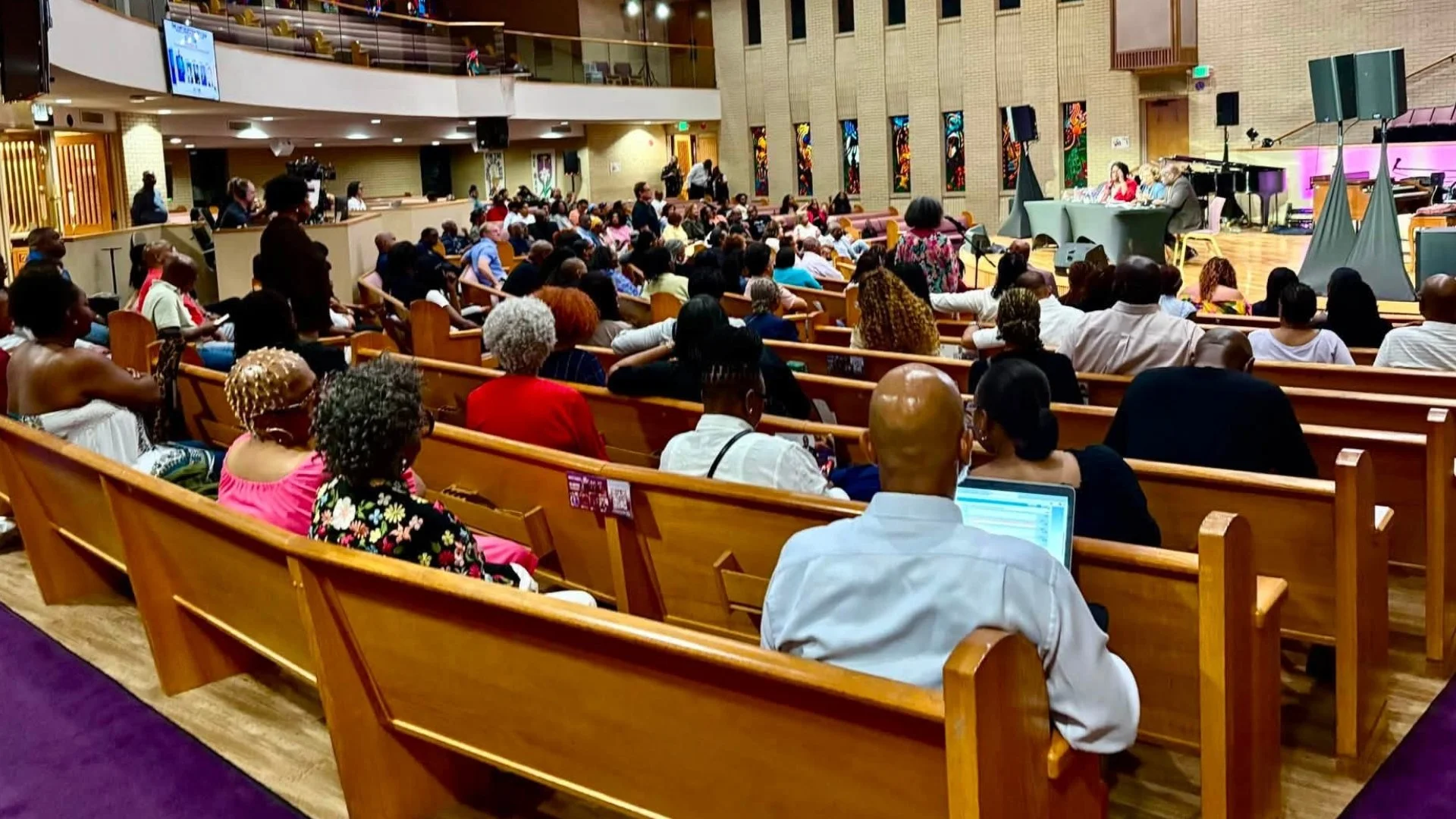
St. Luke Community United Methodist Church in Dallas, where lay leaders have run a mental health ministry for a decade. (Credit: Facebook/St. Luke Community UMC)
For a decade, lay leaders at St. Luke Community United Methodist Church in East Dallas have been bringing depression, grief, trauma and addiction into the open in their historically Black congregation. They have done it through a monthly support group, an annual symposium and a podcast of their own. That work now has new funding behind it.
The church received a $10,000 grant from the United Methodist Church’s General Commission on Religion and Race. The money will train and certify more members as facilitators, expand its support group and connect people with licensed counselors. A free trauma education series the church began this fall is scheduled to run through Nov. 19.
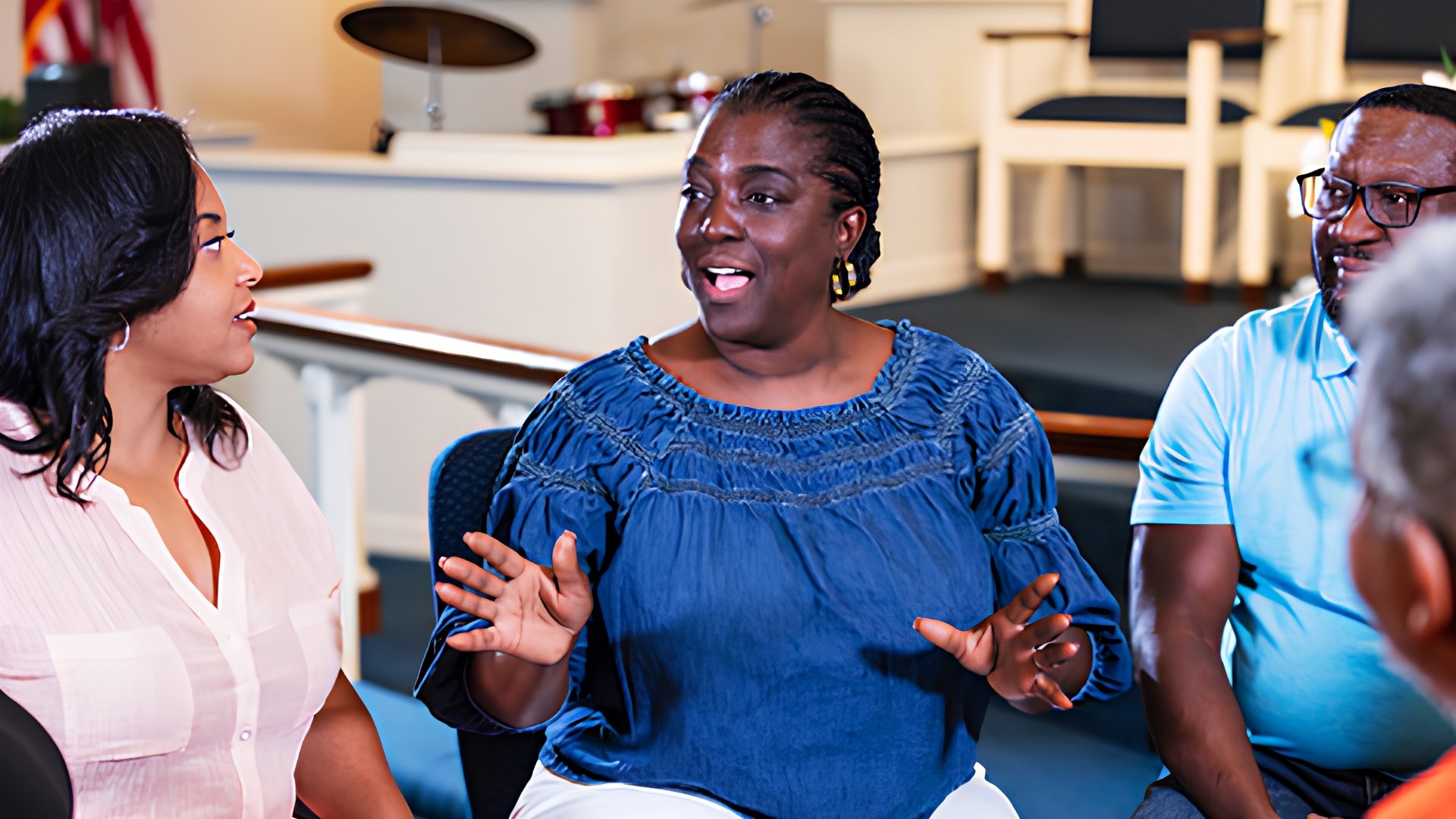
Church-based support groups give people a place to talk through grief, trauma and other struggles among people they trust. (Credit: Getty Images)
The commission announced the award Aug. 26 as one of 14 U.S. grants in its 2026 CORR Action Fund cycle. The fund supports mental health work in historically underserved communities. Awards ranged from $5,500 to $10,000, and St. Luke’s matched the highest.
Its project, Healing Our Community, is a 12-month plan built around an eight-session trauma education series called TAMAR, delivered in two bilingual cohorts. The plan also enhances the monthly support group and trains and certifies lay facilitators through the church’s Greenhouse/Soul Ambassador model. Participants will have one-on-one access to licensed counselors and coaches.
TAMAR, which stands for Trauma, Addiction, Mental Health and Recovery, began as a 30-week curriculum used for years in correctional settings. The Rev. Neelley Hicks, a United Methodist deacon, had worked with survivors of sexual violence in eastern Congo. She went looking for a model churches could use in buildings they already had. She worked with TAMAR’s developers to condense it into a seven-week course for congregations called Triumph Over Trauma, UM News reported in 2022.
The National Association of State Mental Health Program Directors produces the curriculum and offers it free to trained facilitators.
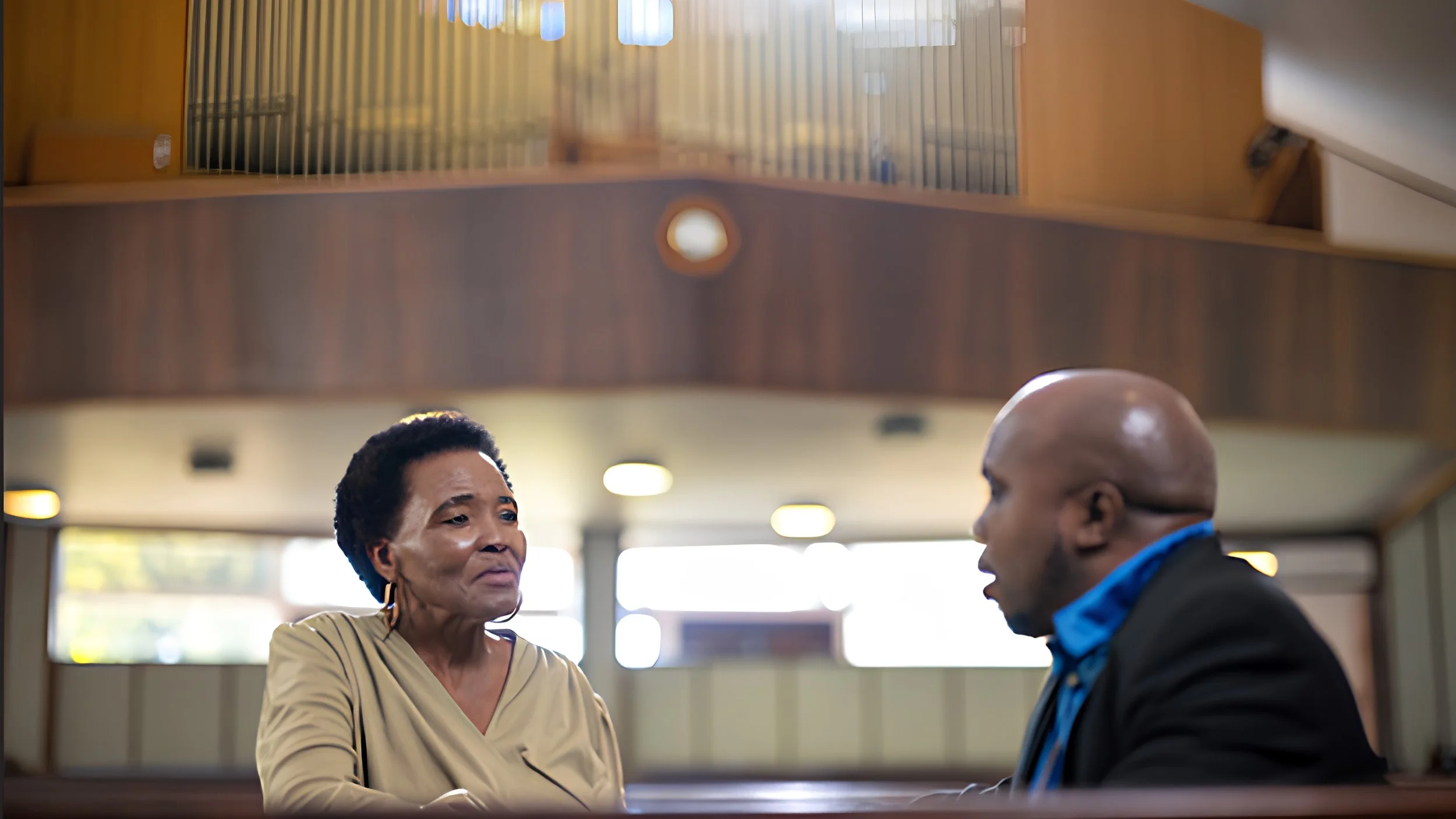
For many churchgoers, conversations about mental health begin in the pews, with someone they already trust. (Credit: Getty Images)
St. Luke’s current series uses that adaptation. It opened Oct. 1 with an orientation, followed by seven weekly sessions. According to the church’s registration page, the free sessions cover trauma’s effects, trauma reminders, self-soothing, mindfulness and reframing personal experiences. Most meetings are online, with in-person gatherings at the start and finish. Participants may attend individual sessions or the full series.
St. Luke was founded in 1933 and has been led since July 2020 by senior pastor the Rev. Richie L. Butler. The congregation built its mental health ministry years before this grant. Pamela Mickens, a longtime member, and the Rev. Velda Turnley, the church’s pastor of spiritual growth and discipleship, helped launch it. A Horizon Texas Conference podcast last December credited them with starting the work when few churches were addressing mental health.
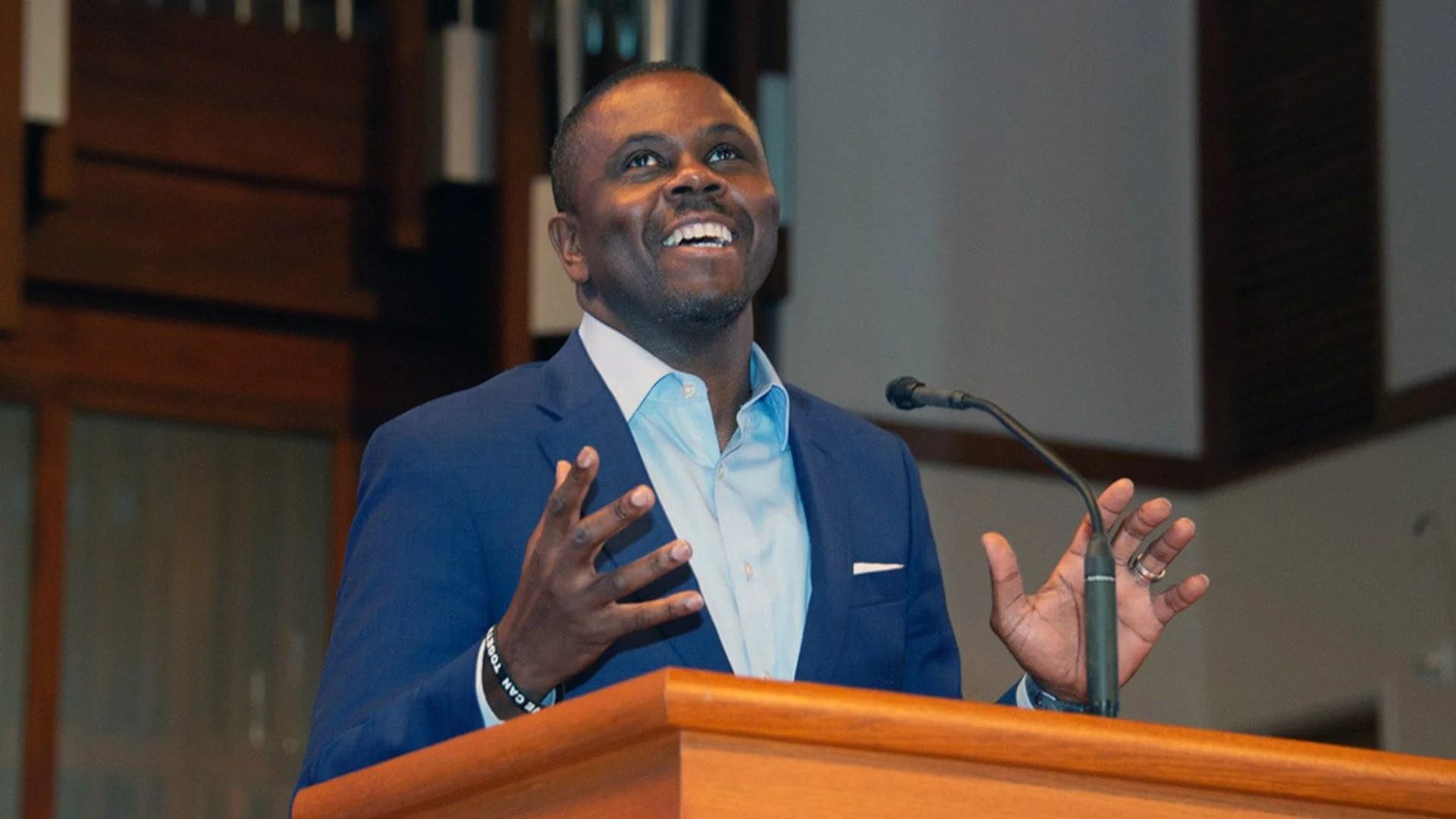
The Rev. Richie L. Butler is senior pastor of St. Luke Community United Methodist Church in Dallas. (File photo courtesy of St. Luke Community United Methodist Church)
Mickens has also carried the work beyond St. Luke. In 2017, she and two members of First United Methodist Church of Dallas conceived what became the Mental Wellness Interfaith Alliance of North Texas. Her partners were psychiatrist Dr. Ed Nace and Bud Browne.
The alliance’s published history says a 2019 survey of seven churches found every one already running mental health or wellness programs. Each church wanted to collaborate. Mickens now co-leads the alliance’s advocacy and access work.
A 2022 Rice University study drew on focus groups with 14 pastors and interviews with 20 congregants at Black and Latino churches in Houston. It found that members often turn to their pastors for mental health care, even when those pastors feel ill-equipped to help. The pastors cited limited time, resources and professional networks. St. Luke’s plan spreads that weight across the congregation.
Trained church members lead education and peer support, and licensed counselors and coaches handle clinical care.
The Rev. Alka Lyall, who chairs the fund, said in the commission’s announcement that she was inspired by the “breadth and depth” of the projects selected. At St. Luke, the trauma series is scheduled to close Nov. 19. Two days later, on the third Saturday in November, the support group gathers again, as it has for years.
