
Officials say residents were never told their tap water was untreated. A separate outbreak at a South African university is also under investigation.
By EEW Magazine Online News Editors
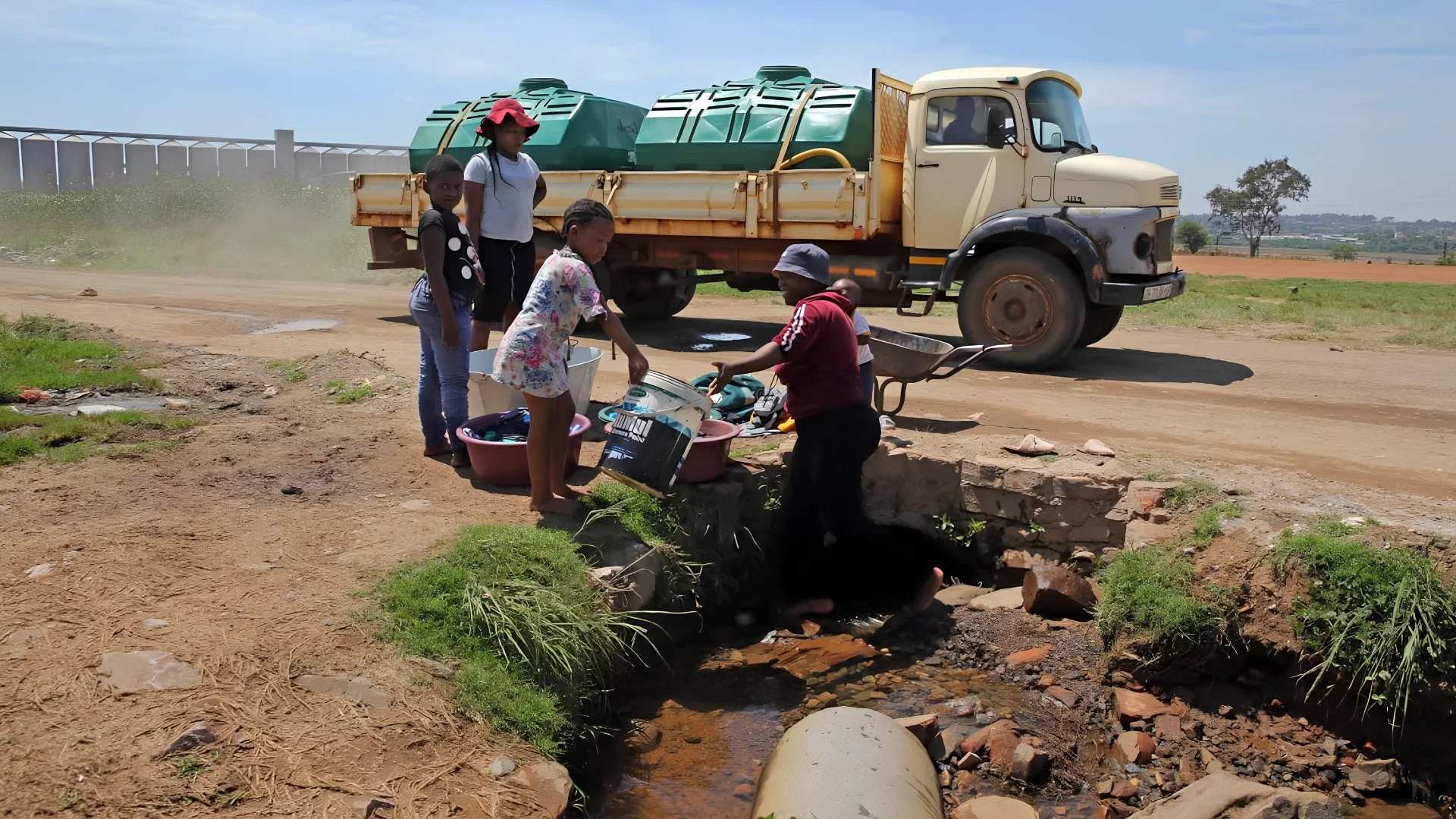
Zithobeni residents do their washing near the Bronkhorstspruit water purification plant east of Pretoria. (Photo: Thapelo Morebudi/Getty Images)
For three weeks, the treatment plant serving several communities east of Pretoria, South Africa, sent water into homes without the chlorine that kills disease-causing bacteria and viruses. The City of Tshwane’s Bronkhorstspruit Water Treatment Works stopped chlorinating on Sept. 24 because of problems with its chlorine supplier and did not resume until Oct. 14.
Residents were not warned, according to the national water minister. By Wednesday, 433 people had come down with gastrointestinal illness, and most of them were children younger than 4.
Water and Sanitation Minister Pemmy Majodina said city officials failed to alert residents as national water service standards require. President Cyril Ramaphosa apologized to affected residents this week, and the opposition Democratic Alliance has opened a criminal case against the city.
The crisis surfaced in early October as a cluster of stomach illnesses, with the city investigating 140 to 160 cases between Oct. 7 and 12. On Oct. 16, the Democratic Alliance said a whistleblower had told the party the plant had gone three weeks without chlorine. National officials confirmed it three days later.
Tests by the National Institute for Communicable Diseases found norovirus, Campylobacter and Shigella in patient samples. Water leaving the plant and two nearby reservoirs carried very high levels of E. coli and other coliform bacteria. Health officials said the results show the contaminated water caused the outbreak.
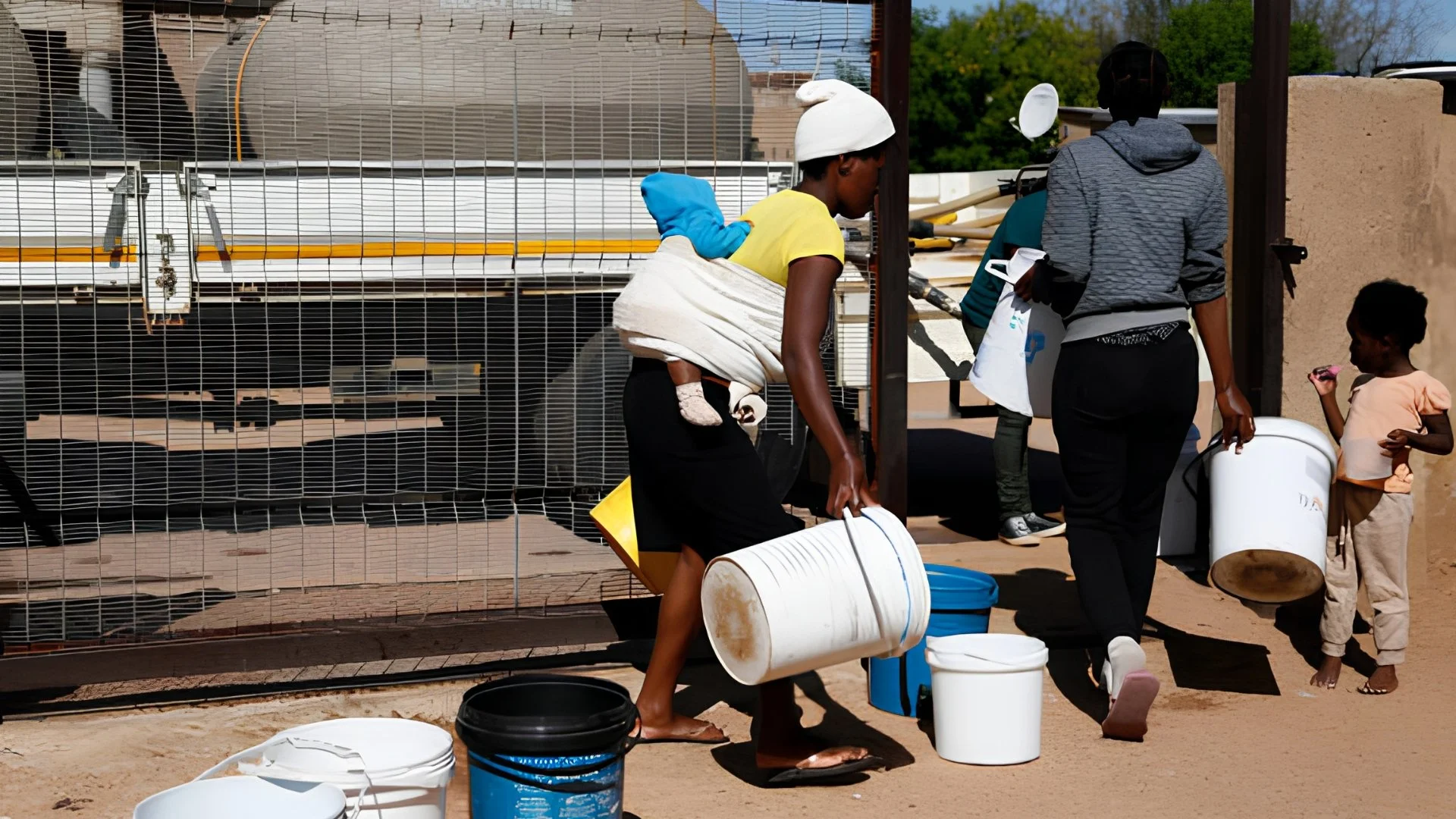
A water tanker delivers to residents of Hammanskraal, a community north of Pretoria also served by the City of Tshwane, in this file photo. (Felix Dlangamandla/Daily Maverick/Gallo Images via Getty Images)
The plant draws from the Bronkhorstspruit River, which officials say is heavily polluted by sewage from failing wastewater treatment works upstream in Victor Khanye Municipality and from broken Tshwane sewage pump stations. Investigators also found that several of the plant’s pumps and sand filters were not working.
Patients have come from Bronkhorstspruit, Zithobeni, Dark City, Rethabiseng and Sokhulumi. Most were rehydrated and sent home within a day, and no deaths had been reported as of the government’s Oct. 18 update.
The city closed the plant on Oct. 14, restored its chlorine supply Oct. 15 and reopened it Oct. 16 to feed water into the distribution network. The water remained unsafe to drink. Residents have been told to use tap water only to flush toilets, and Majodina has said it is unsafe even after boiling. Rand Water, the regional utility brought in to help rehabilitate the plant, has since advised the city to isolate it from the supply system. Mayor Nasiphi Moya said there is no date yet for when safe tap water will return.
The city is supplying drinking water through 36 tankers. Residents have been told to discard previously stored water, disinfect containers with household bleach and keep tanker water in clean, covered containers.
In Makhanda, in the Eastern Cape province, health officials are investigating a separate outbreak of 111 gastroenteritis cases among Rhodes University students and staff, after preliminary water tests reportedly detected E. coli. Students with severe symptoms were treated at a hospital and have returned to campus, and the university is supplying bottled water. The cause has not been confirmed, and the two outbreaks have not been linked.
Young children lose fluids quickly when diarrhea and vomiting persist, which is why outbreaks like these fall hardest on them. Worldwide, about 1 in 4 people, or 2.1 billion, lacked safely managed drinking water in 2024, including 106 million who drank directly from untreated surface sources, according to the World Health Organization and UNICEF.
Empowering Everyday Women Ministries, Inc., the Buffalo, N.Y.-based Christian nonprofit behind EEW Magazine Online, works to narrow that gap. Its Safe Water Project helps bring safe drinking water closer to communities in need, protecting children from preventable illness and easing the daily burden of water collection on women and girls.
The work draws on the words of Jesus in Matthew 10:42: “And whosoever shall give to drink unto one of these little ones a cup of cold water only in the name of a disciple, verily I say unto you, he shall in no wise lose his reward.”
In Bronkhorstspruit, families are still relying on water tankers while engineers work to restore a safe supply. The ministry is not involved in the emergency response in South Africa. Through its Safe Water Project, it helps expand access to clean drinking water in communities in need, and readers can support that broader work with a gift, tax-deductible as allowed by law.