

Hungry for Change launches Dec. 1, linking warm meals for Western New York families with nutrition for malnourished children overseas and relief for families displaced by Sudan’s war.
By EEW Magazine Online Editors
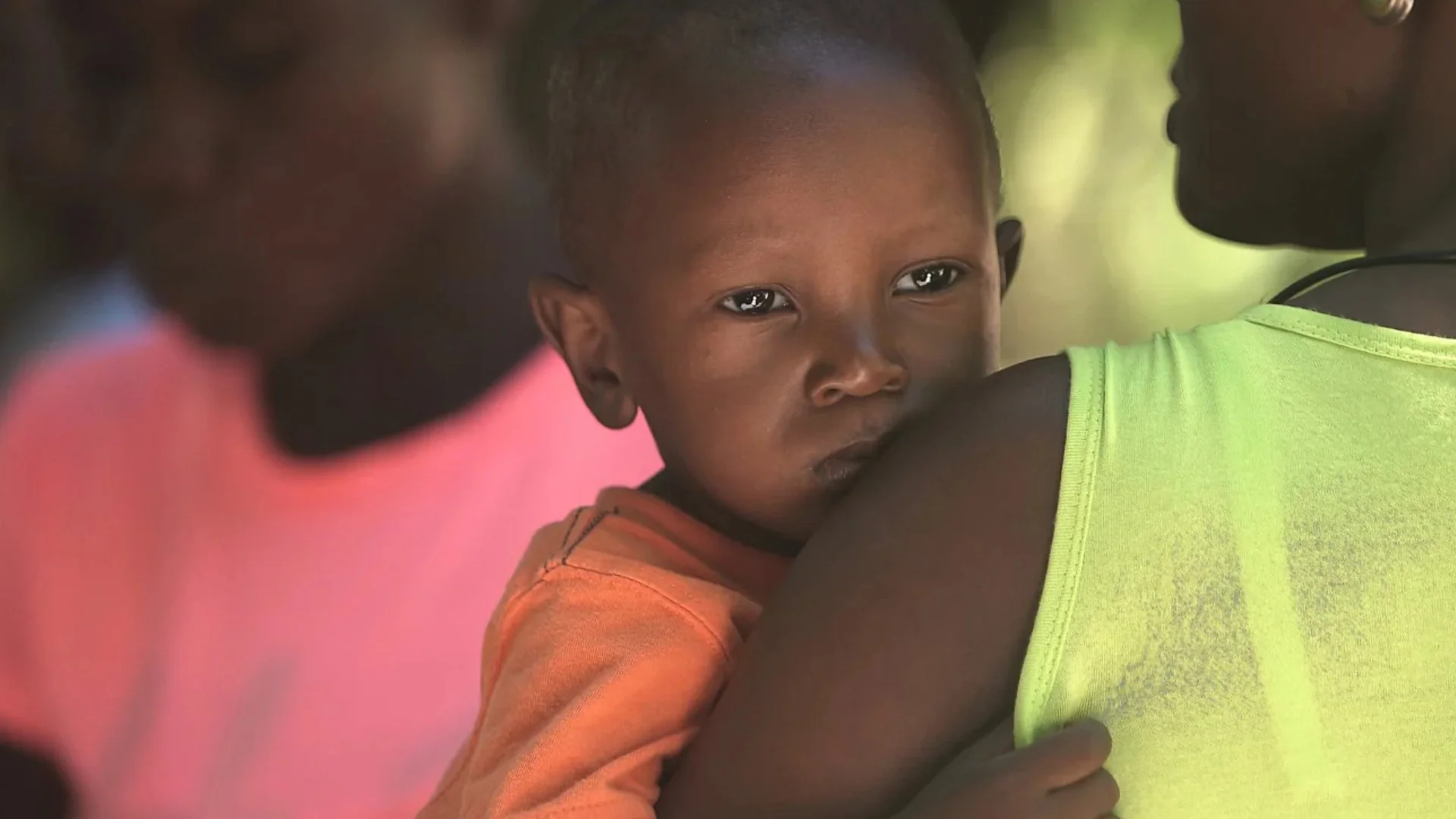
A mother carries her son in Haiti, where the Hungry for Change campaign supports therapeutic nutrition for malnourished children.
A parent in Buffalo can work full time and still come up short once Thanksgiving groceries are added to rent, utilities and the gas bill. In northern Haiti, a severely malnourished child may need weeks of a peanut-based therapeutic paste to recover, while aid agencies in war-torn Sudan struggle to reach millions of families who do not know where their next meal will come from.
Empowering Everyday Women Ministries is bringing its work in all three places under one campaign. On Tuesday, Dec. 1, the Buffalo-based Christian nonprofit will launch Hungry for Change, its 2026 GivingTuesday initiative, inviting supporters to help families facing food insecurity in Western New York, Haiti, Sudan and other communities where it supports humanitarian outreach.
The ministry describes the effort as a local-to-global hunger initiative, and the need is growing close to home. FeedMore WNY, one of the region’s largest hunger-relief organizations, reports that the number of people it serves has risen 51% since 2021. On Nov. 19, FeedMore opened a new food bank distribution warehouse in Hamburg, part of a regional headquarters built to keep pace with that demand.
FeedMore WNY opened its new food bank distribution warehouse at 4832 Camp Road in Hamburg on Nov. 19. The warehouse is part of the organization’s new regional headquarters. (FeedMore WNY)
The campaign draws on a familiar teaching of Jesus. In Matthew 25:35 (KJV), He says, “For I was an hungred, and ye gave me meat.” For EEW Ministries, that verse calls believers to answer human need with practical help.
Close to home, the ministry’s annual Thanksgiving Hunger Relief campaign provides warm, nourishing meals for Western New York families struggling to meet everyday expenses. For households juggling rent, transportation and utilities, even a modest rise in grocery prices can strain the food budget. Families managing unemployment, an unexpected medical bill or reduced benefits can find a holiday dinner out of reach.
The outreach is meant to help those families put food on the table without sacrificing other necessities. Beyond Western New York, the ministry supports food distribution through national partnerships with hunger-relief organizations.
In northern Haiti, the ministry works through humanitarian organizations on the ground to provide Medika Mamba to severely malnourished children in Cap-Haïtien and Quartier Morin. The name means “peanut butter medicine” in Haitian Creole.
A sachet of Medika Mamba, the ready-to-use therapeutic food produced in Haiti, rests beside freshly harvested peanuts. (Meds & Food for Kids)
Ready-to-use therapeutic food is formulated to treat severe acute malnutrition. UNICEF describes it as an energy-dense paste made from peanuts, milk powder, oil, sugar, vitamins and minerals. It is the only outpatient treatment for child wasting recommended by the World Health Organization.
The paste needs no cooking, refrigeration or mixing with water. Children without medical complications can be treated at home through a supervised program, an advantage in communities where electricity, clean water and clinics are hard to reach.
According to the Integrated Food Security Phase Classification, a UN-backed hunger monitor, about 253,700 Haitian children ages 6 months to 5 years are expected to suffer acute malnutrition between June 2026 and May 2027. Nearly 94,000 of those cases are projected to be severe. Armed-group violence and mass displacement are cutting families off from food and health care.
Sudan’s civil war, now in its fourth year, has produced one of the world’s most severe hunger crises. The World Food Programme estimates that 19.5 million people face acute hunger, about 5 million of them at emergency levels. The fighting has displaced families, disrupted farming and trade, and made it harder for aid groups to reach communities in need.
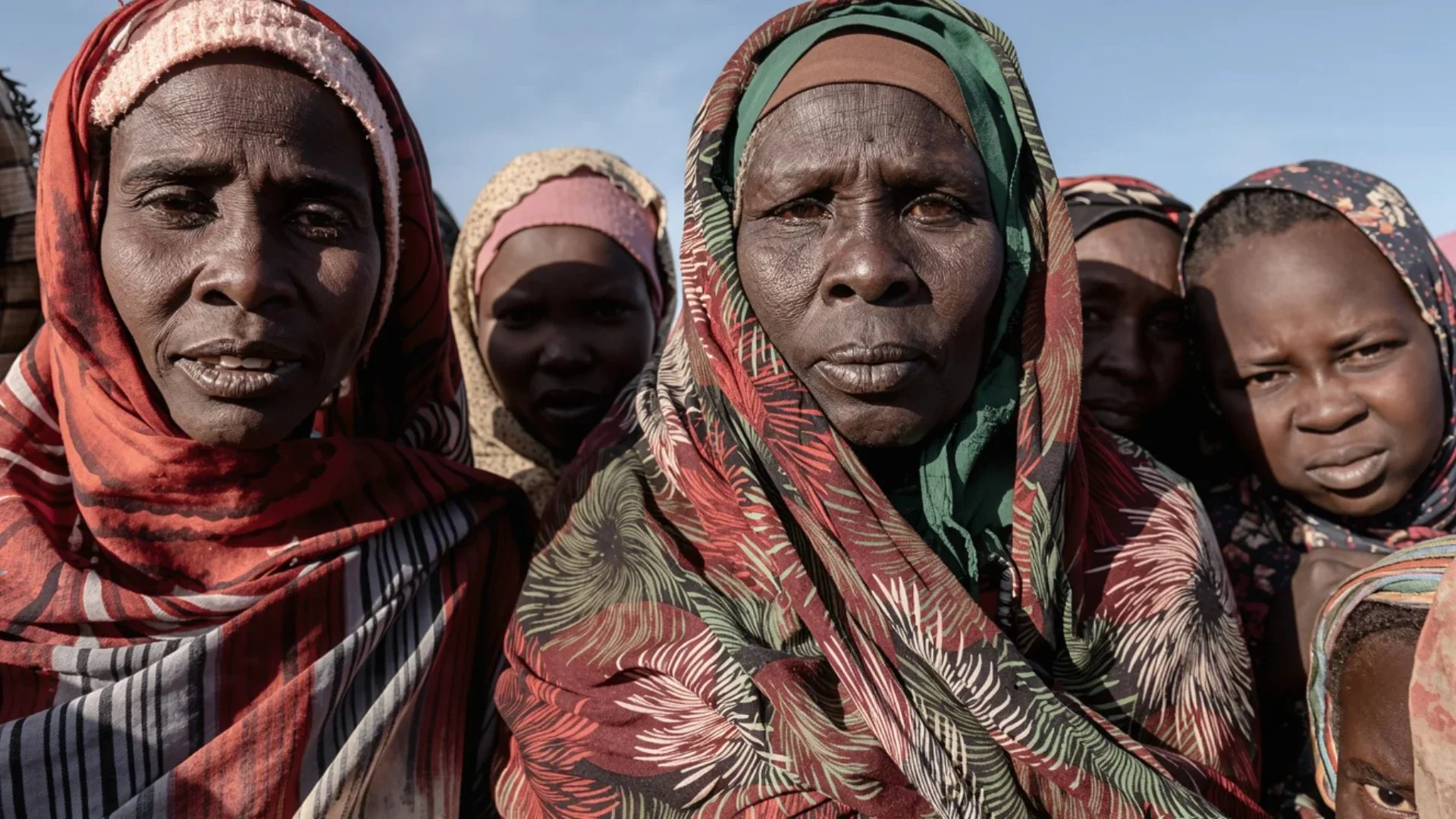
Displaced Sudanese women and children wait in line for food at a Save the Children community kitchen in Daba Naira camp in Tawila, North Darfur, on Feb. 28. Around 600,000 people have fled to the camps surrounding the town to escape fighting in El Fasher and other parts of Darfur. (Giles Clarke/Avaaz via Getty Images)
In October, the IPC warned that drought and conflict were driving a growing risk of famine in parts of Greater Darfur and Greater Kordofan. Children face the greatest danger, since severe malnutrition weakens the body’s defenses until ordinary childhood illnesses can turn deadly.
Through its Sudan hunger-relief initiative, the ministry supports assistance for families affected by the crisis, with an emphasis on food and care for vulnerable children. Its international work also includes support for Food for the Hungry’s relief efforts in Uganda.
A single campaign cannot resolve crises of this scale. Sustained giving helps relief keep reaching people with few other options.
Hungry for Change gathers four areas of hunger relief under one mission: warm meals and local food outreach in Western New York, support for hunger-relief networks elsewhere in the United States, therapeutic nutrition for malnourished children in Haiti, and relief for vulnerable families in Sudan and Uganda.
For founder and CEO Dianna Hobbs, hunger relief flows from the ministry’s Christian mission.
“When a mother is wondering how she’s going to feed her children, that need is immediate, and it matters deeply to God,” Hobbs said in the ministry’s November campaign announcement. “We have an opportunity to come alongside families who are struggling and help put food on their tables. That’s what Hungry for Change is about.”
Scripture returns to that concern again and again, from the laws of Moses that protected the poor and the stranger to the ministry of Jesus, who fed hungry crowds and told His disciples to feed them.
GivingTuesday comes once a year, and hunger does not abide by a calendar date. Families in Buffalo will still need groceries after the Thanksgiving dishes are put away. Children in Haiti recovering from malnutrition need weeks of sustained nutritional and medical care, and in Sudan, the effects of war and displacement will outlast the holiday season.
Supporters can give, learn more or share the campaign through the ministry’s GivingTuesday page. The organization also keeps separate pages for its Thanksgiving, Haiti and Sudan initiatives. Empowering Everyday Women Ministries, Inc. is a 501(c)(3) nonprofit, and donations are tax-deductible as allowed by law.
“Every gift tells a hungry family that someone sees them,” Hobbs said. “That is the change we are hungry for.”
EEW Magazine Online is published by Empowering Everyday Women Ministries, Inc., the nonprofit organization conducting the Hungry for Change campaign.