Jesus spoke of thirty, sixty, and a hundredfold increase, and Isaac reaped an extraordinary harvest during a famine. Both passages speak to God’s provision, spiritual fruitfulness, and the harvest believers can expect.
By EEW Magazine Online Editors
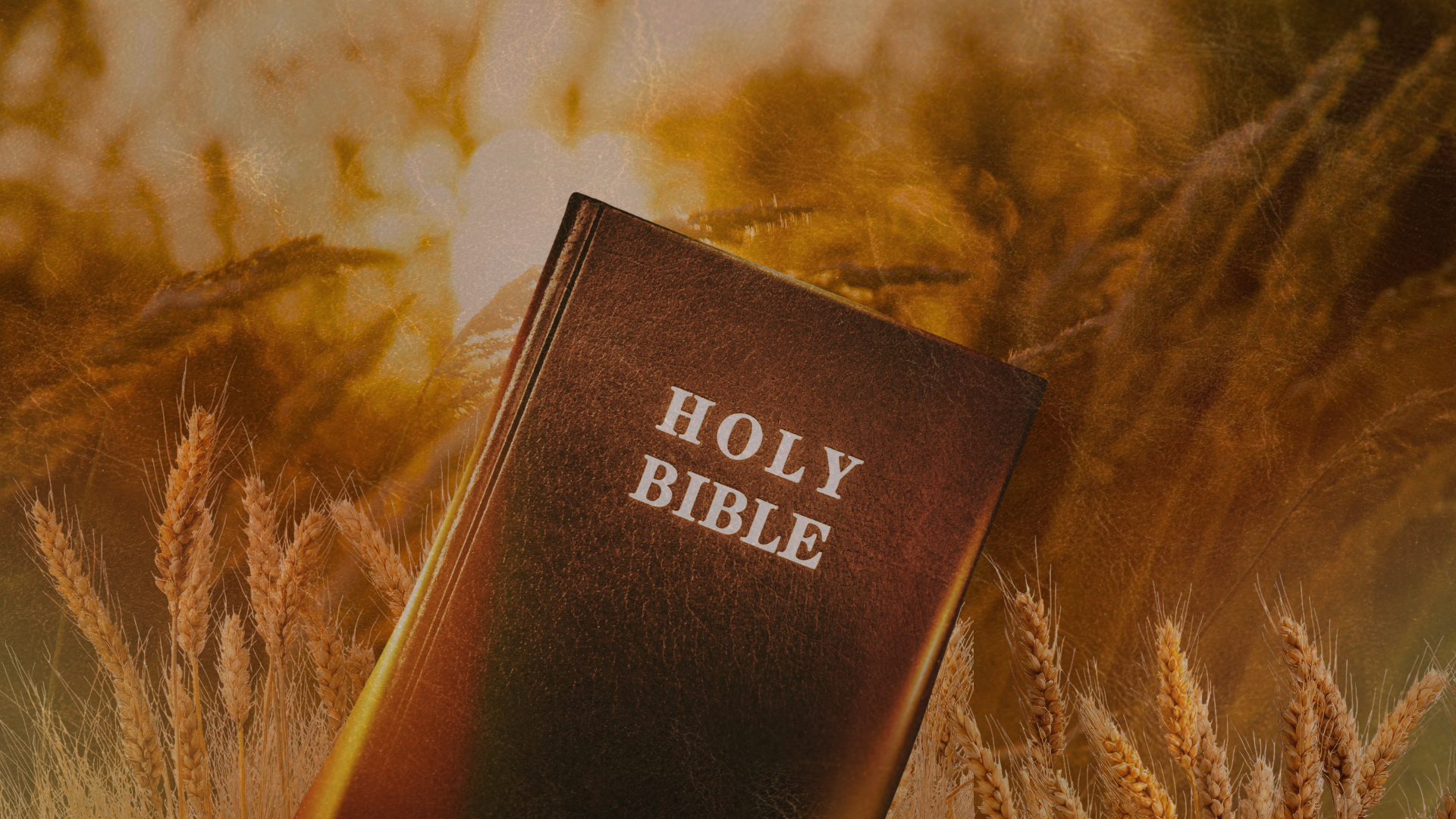
In the parable of the sower, Jesus identified the seed as the Word of God: “The sower soweth the word” (Mark 4:14). Illustration: EEW Magazine Online
Thirty, sixty, and a hundredfold. The numbers are familiar to many churchgoers, often proclaimed from pulpits in connection with financial blessings, generous giving, and extraordinary increase. Believers are encouraged to sow a financial seed with the expectation that God will multiply it many times over. That teaching leaves a hard question for the woman who has given generously and still struggles to pay her bills.
It leaves the same question for the mother who has taught her children God’s Word, prayed over her family, and endured years of hardship without the extraordinary results she hears others testify about.
Has she somehow missed her harvest?
The numbers trace back to Jesus’ parable of the sower, recorded in Matthew 13, Mark 4, and Luke 8. A farmer scattered seed along the path, on rocky soil, among thorns, and on good ground. Only the good ground produced a harvest, “some thirty, and some sixty, and some an hundred” (Mark 4:8). Jesus explained, “The sower soweth the word” (verse 14), and the soils picture different responses to God’s Word.
The good ground stands for those who hear it, receive it, and bear fruit (Mark 4:20). All three yields came from that good ground. Thirtyfold was an abundant harvest in its own right, and Jesus gave no indication that the person who produced it had disappointed God because someone else produced a hundredfold.

Jesus said the good ground stands for those who hear the Word, receive it, and bring forth fruit, “some thirtyfold, some sixty, and some an hundred” (Mark 4:20). Photo: EEW Magazine Online file
The harvest in this parable is spiritual fruit. A woman’s faithfulness to God’s Word cannot be compared to her neighbor’s or measured by the size of her bank account, the accomplishments of her children, or the number of prayers answered the way she hoped.
Yet Genesis 26 records an extraordinary material harvest. A famine had struck the land. God instructed Isaac to remain in Gerar rather than travel to Egypt, and He reaffirmed the covenant He had made with Abraham.
“Then Isaac sowed in that land, and received in the same year an hundredfold: and the LORD blessed him” (Genesis 26:12). The account shows God’s ability to provide abundantly in difficult circumstances. It happens at a specific moment in Isaac’s life, and Scripture does not promise every believer an identical outcome.
Isaac’s harvest also stands in striking contrast to the parable. Jesus taught that the condition of the soil determined whether the Word bore fruit. Isaac planted in a land gripped by famine, where conditions worked against him, and the harvest came anyway. The field could not decide Isaac’s harvest. The Lord did. Isaac obeyed God and remained where the Lord told him to stay.
In both accounts, God produces the harvest, and faith and obedience keep a person positioned to receive it.
God may bless someone with extraordinary financial increase even when the economy is weak. He may also sustain a believer through prolonged hardship. Paul knew both increase and struggle. “I know both how to be abased, and I know how to abound,” he wrote (Philippians 4:12). He added that he could remain content in every season through Christ who strengthened him (verses 11-13).
Paul’s circumstances changed, but his confidence in God’s sustaining grace remained. In similar fashion, the woman praying for financial relief can trust God’s goodness and seek His provision without assuming that continued hardship means she lacked faith.

Isaac sowed during a famine and received a hundredfold in the same year, and Scripture credits the Lord for the increase (Genesis 26:1, 12). Photo: EEW Magazine Online
Jesus spoke of a hundredfold again in Mark 10, following His encounter with a wealthy young man who asked how to inherit eternal life. Jesus told him to sell his possessions, give to the poor, and follow Him, and the man walked away grieving.
He had great wealth, and parting with it was more than he was willing to bear. His response prompted Jesus to warn His disciples how hard it is to enter the Kingdom of God when riches possess the heart.
Peter then reminded Jesus that the disciples had left everything to follow Him. Jesus assured them that no one who had sacrificed homes, family, or lands for His sake and the Gospel’s would fail to receive a hundredfold in this present life, “with persecutions,” and reap eternal life (Mark 10:29-30).
The promise Jesus gave included the very things the rich young man had been unwilling to surrender. Even so, the hundredfold He described reaches beyond personal possessions.
Those who left homes and families to follow Christ would become part of a growing spiritual family, finding brothers, sisters, mothers, homes, and hospitality among fellow believers. The early church gives a picture of that fellowship. Believers shared their possessions, sold property to meet pressing needs, and cared for one another so that no one among them lacked (Acts 4:32-35).
Those who had sacrificed much could find themselves surrounded by a community far larger than the one they left behind. Sacrifices made for Christ are known to Him and never forgotten.

A woman holds stalks of ripened wheat in a field at harvest. Jesus described seed on good ground bringing forth thirty, sixty, and a hundredfold (Mark 4:20). Photo: EEW Magazine Online file
Paul addressed sowing and reaping while encouraging believers to give toward a collection for Christians in need. “He which soweth sparingly shall reap also sparingly; and he which soweth bountifully shall reap also bountifully” (2 Corinthians 9:6). He assured the Corinthians that God would supply what they needed to abound in good works. Their generosity would meet practical needs and produce thanksgiving to God (verses 8-12). He attached no fixed financial multiplier to their gifts.
“He that abideth in me, and I in him, the same bringeth forth much fruit,” Jesus said (John 15:5).
What does that “much fruit” look like? It depends.
Picture the woman who has spent years caring for her family, teaching her children Scripture, serving others, and holding fast through grief. Her fruit may look like patience where frustration once ruled, or forgiveness where bitterness once flourished. It may be a faith shaping someone whose growth she cannot yet see. Some of it becomes visible only after she has walked through circumstances that once would have overwhelmed her.
Some of it will remain long after she has gone home to be with the Lord, just as Jesus said, “that your fruit should remain” (John 15:16).
Remember the thirtyfold harvest. Jesus placed it alongside sixty and a hundred as the fruit of good ground, where the seed had taken root and accomplished its purpose. Keep receiving God’s Word and putting it into practice. Let it shape your decisions, your relationships, your generosity, and your conduct.
And keep trusting Him for the provision you need and the growth you cannot yet see. The outcome rests in His hands.