
What the Law Says About the Don Lemon Arrest and the Limits of the First Amendment
The First Amendment is powerful, but it is not unlimited. This explainer outlines how speech, private property, and religious worship intersect under federal law in the Don Lemon case.
By EEW Magazine Editors // Legal Analysis
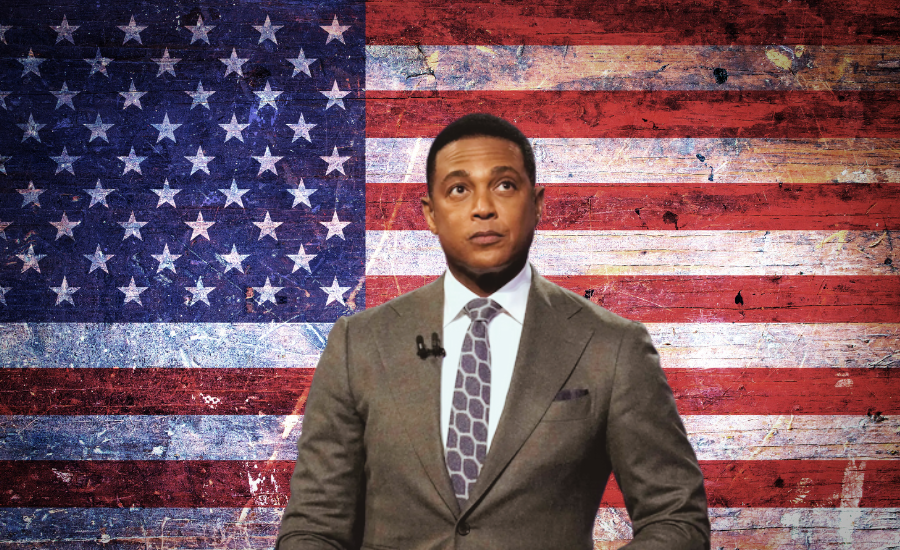
A composite image of former television journalist Don Lemon accompanying an EEW Magazine legal analysis on First Amendment claims and private property law. (Credit: EEW Magazine graphic illustration)
As debate continues over the arrest of former television journalist Don Lemon, much of the public criticism has focused on whether his First Amendment rights were violated. Legal experts caution, however, that constitutional protections for speech and the press are not unlimited and do not apply uniformly in every setting.
The First Amendment protects individuals from government punishment for lawful expression. It does not, by itself, grant journalists or protesters the right to enter private property, disrupt religious services, or disregard federal laws that protect worship. Public outcry does not alter legal standards, and misunderstanding the law does not confer immunity. Courts evaluate these cases based on conduct, location, and applicable statutes, not professional identity or public opinion.
First Amendment protections and private property
The First Amendment restricts government action. It does not provide individuals, including journalists, with a general right to access private property without permission.
Churches and houses of worship are private property. Entry without consent, particularly during an active religious service, may constitute trespass regardless of journalistic intent or purpose. Newsgathering does not override property rights, and journalists are subject to the same access limitations as the general public.
Statutory protections for religious worship
Federal law provides additional safeguards for religious services under the Freedom of Access to Clinic Entrances Act. While the statute is often associated with reproductive health facilities, it also applies to places of religious worship.
The law prohibits intentional obstruction, intimidation, or interference with individuals exercising their right to attend religious services. Interference may include conduct that materially disrupts worship, even if the disruption is brief or nonviolent. The stated purpose of recording, documenting, or reporting does not negate potential liability if protected religious activity is disrupted.
Why location matters
First Amendment protections are strongest in traditional public forums, such as sidewalks, streets, and parks. Had the activity remained on public property, legal analysis would likely focus on permissible time, place, and manner restrictions.
Once an individual enters private property without authorization, those protections narrow significantly. In such settings, property rights and statutory protections take precedence over expressive claims.
Ignorance of the law and claims of intent
Under long-standing legal doctrine, lack of awareness or misunderstanding of the law does not excuse unlawful conduct. Courts generally presume individuals are responsible for knowing the legal boundaries governing their actions.
Claiming journalistic purpose or unfamiliarity with specific statutes does not, on its own, provide immunity from criminal prosecution or civil liability.
Public reaction and legal responsibility
Legal culpability is determined by statutes, evidence, and judicial review, not public sentiment or online response. Criminal proceedings and civil lawsuits operate under separate legal standards.
Even if criminal charges are reduced or dismissed, civil claims may still proceed if plaintiffs allege harm, such as disruption of worship or emotional distress, and meet the applicable burden of proof.
Courts assess conduct, not profession
Courts do not evaluate cases based on whether a defendant is a journalist, activist, or private citizen. Legal analysis centers on actions taken, the context in which they occurred, and the laws governing that setting.
The First Amendment protects lawful expression. It does not provide blanket immunity for conduct that violates criminal or civil statutes.
Legal Glossary
FACE Act (Freedom of Access to Clinic Entrances Act):
A federal law prohibiting interference, intimidation, or obstruction of individuals accessing reproductive health services or religious worship. Violations may result in criminal penalties and civil liability.
Public Forum:
Government-owned spaces such as sidewalks, streets, and parks where First Amendment protections are strongest.
Trespass:
Entering or remaining on private property without permission. Journalistic purpose does not negate trespass laws.
Why This Matters
Cases involving journalism, protest, and religious liberty often involve overlapping constitutional interests. Understanding where First Amendment protections end and where property rights and federal statutes apply is essential to informed public discussion.
Courts are tasked with weighing facts and law, not public opinion. The outcome in this case will depend on evidence, statutory interpretation, and judicial review.
More on EEW Magazine Online:

The EEW Weekly Digest
Get EEW in Your Inbox
Our weekly digest brings the latest reporting on faith, culture, health, and the news that matters to Black Christian women straight to your inbox.
Subscribe FreeFree to join. Unsubscribe anytime.
Reader-Supported Journalism
Help Keep EEW Free and Growing
EEW Magazine Online is free for every reader, and we plan to keep it that way. Your support helps us expand our reporting on faith, culture, health, and the news that matters to Black Christian women. Become a monthly supporter today.
Support EEWGive once or monthly through PayPal. Gifts are tax-deductible to the extent allowed by law.
An opinion column on accepting the 2024 election result while holding leaders accountable, organizing for the midterms and serving our communities.