
At least 30 killed in bandit attack on market in Nigeria’s Niger State
The assault, one of the deadliest in the region in recent months, comes amid recurring violence linked to bandit groups operating in remote areas of northern Nigeria.
By EEW Magazine News Desk
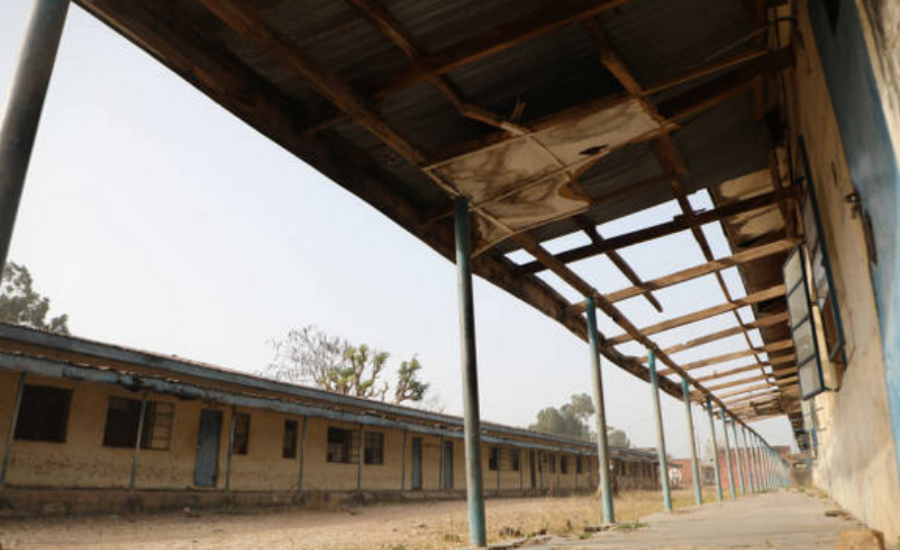
Deserted blocks of classrooms inside Government Science College where gunmen kidnapped dozens of students and staffs, in Kagara, Rafi Local Government Niger State, Nigeria on February 18, 2021. (Getty)
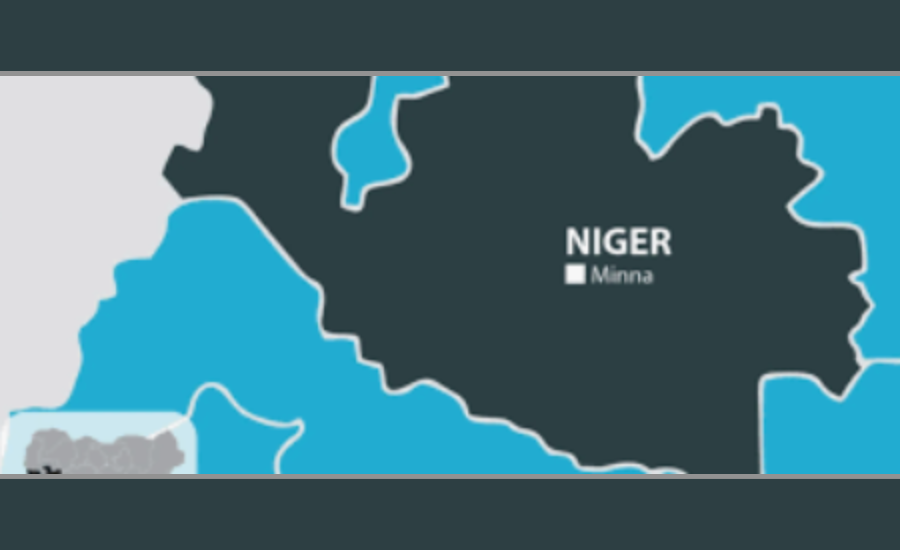
MINNA, Nigeria — Armed gunmen attacked a rural market in Nigeria’s Niger State, killing at least 30 people and abducting others, according to police and local residents, in one of the deadliest assaults in the region in recent months.
The attack occurred at Kasuwan Daji market in Demo village, within Borgu Local Government Area, authorities said. The assailants set the market ablaze, looted food and goods, and opened fire on villagers before fleeing with captives toward nearby forest areas.
Wasiu Abiodun, a spokesman for the Niger State Police Command, said the gunmen were believed to have emerged from terrain near Kainji Lake National Park, a vast forested area long used by armed groups to stage attacks and evade security forces.
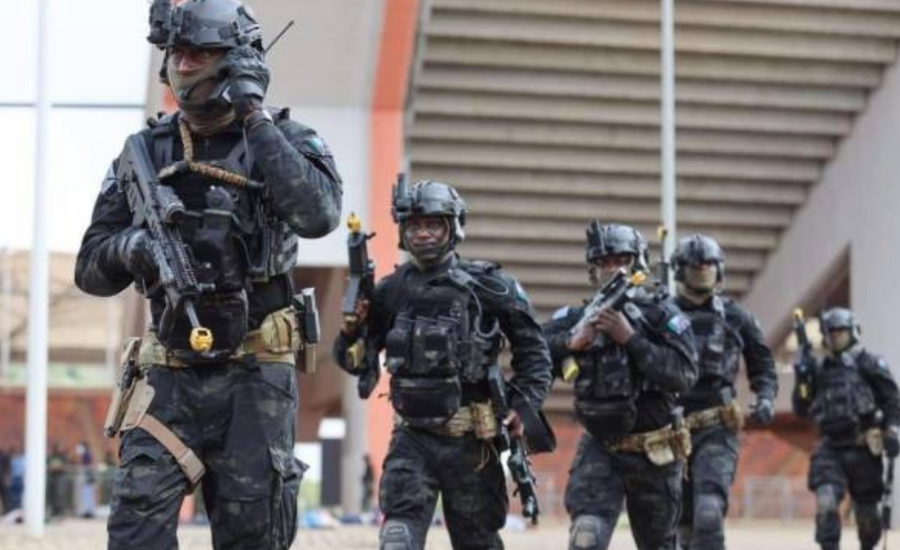
Military Tactical Team, Niger
A joint team of police and other security personnel visited the scene on Sunday morning, Abiodun said, confirming that more than 30 people were killed. He added that some residents were also abducted and that search-and-rescue efforts were ongoing.
Residents said the toll could rise. At least two villagers told The Associated Press that as many as 37 people may have been killed and that others remained unaccounted for as of Sunday.
President Bola Tinubu condemned the attack and directed security agencies to pursue the perpetrators and rescue those taken, according to statements from his office.
A region marked by recurring violence
The market assault follows a series of high-profile attacks in Niger State and other parts of northern and central Nigeria, where armed groups commonly referred to as bandits have carried out raids, mass kidnappings, and killings.
In November 2025, gunmen abducted hundreds of students and teachers from St. Mary’s Catholic Primary and Secondary School in Papiri, also in Niger State. Nigerian authorities later said all the abductees were freed after weeks in captivity, though officials did not disclose details of the operation.
Such incidents have laid bare the persistent insecurity facing rural communities, many of which lie far from major security installations and rely on local vigilantes or community hunters for protection.
Nigeria has for years confronted overlapping security threats, including criminal banditry, kidnapping-for-ransom networks, and jihadist insurgencies linked to Boko Haram and the Islamic State. Thousands of civilians have been killed or displaced, and schools, markets, and churches have frequently been targeted.
U.S. involvement and competing narratives
The violence has also drawn international attention. On Christmas Day 2025, the United States carried out airstrikes against Islamic State-linked militants in northwest Nigeria at the request of the Nigerian government, according to U.S. and Nigerian officials.
President Donald Trump later cited the operation in a post on Truth Social, claiming that Islamic State militants in Nigeria had been “targeting and viciously killing, primarily, innocent Christians.” His remarks were welcomed by some Christian leaders but criticized by Nigerian human rights advocates who warned against framing the conflict solely in religious terms.
Analysts and civil society groups have argued that the drivers of violence in Nigeria are complex and include poverty, unemployment, weak governance, and corruption within security institutions, in addition to extremist ideology.
Communities left vulnerable
Despite repeated military operations, security forces remain stretched across Nigeria’s vast territory. Residents of remote areas, including parts of Niger State, often report slow response times and limited protection.
As families in Demo village buried their dead and searched for missing relatives, the attack once again highlighted the vulnerability of rural communities caught between armed groups and an overstretched security apparatus.





The EEW Weekly Digest
Get EEW in Your Inbox
Our weekly digest brings the latest reporting on faith, culture, health, and the news that matters to Black Christian women straight to your inbox.
Subscribe FreeFree to join. Unsubscribe anytime.
Reader-Supported Journalism
Help Keep EEW Free and Growing
EEW Magazine Online is free for every reader, and we plan to keep it that way. Your support helps us expand our reporting on faith, culture, health, and the news that matters to Black Christian women. Become a monthly supporter today.
Support EEWGive once or monthly through PayPal. Gifts are tax-deductible to the extent allowed by law.
Six powerful Bible stories for women facing impossible odds. From the walls of Jericho to the empty tomb, Scripture proves that God specializes in situations that look finished.