

More women are turning to probiotics for help with bloating, gut health and inflammation, only to feel worse days later. Health experts explain symptoms, what the internet gets wrong about “die-off” reactions, and when women should slow down and call a doctor.
By EEW Magazine Health and Wellness Editors

For months, I kept hearing women talk about probiotics like they were the answer to everything.
Bloating. Sluggish digestion. Fatigue. Inflammation. Mood swings. Skin issues. Everywhere I turned, somebody was talking about “healing the gut.”
Honestly, after dealing with my own digestive issues for a while, I decided to try them too.
But instead of feeling better, I felt worse.
My stomach became noisy and bloated. I felt foggy and tired. At one point, I even wondered if I was coming down with something because I felt achy and off.
Then I went online.
Some people said it was normal. Others said my body was “detoxing.” The phrase “die-off” kept coming up over and over again, especially in wellness spaces and on social media.
But according to the doctor I spoke with, the conversation around “die-off” has become oversimplified online.
The true Jarisch-Herxheimer reaction is a documented medical response associated with treatment for certain bacterial infections, including syphilis and sometimes Lyme disease. It is not a blanket explanation for every uncomfortable symptom someone experiences after starting a probiotic or supplement regimen.
And while some women do report temporary adjustment symptoms after starting probiotics, experts say the experience can vary widely depending on the person, the probiotic strain, dosage and the condition of the gut itself.
According to the American College of Gastroenterology, probiotics may help certain digestive conditions, though results are not universal and responses differ from person to person.
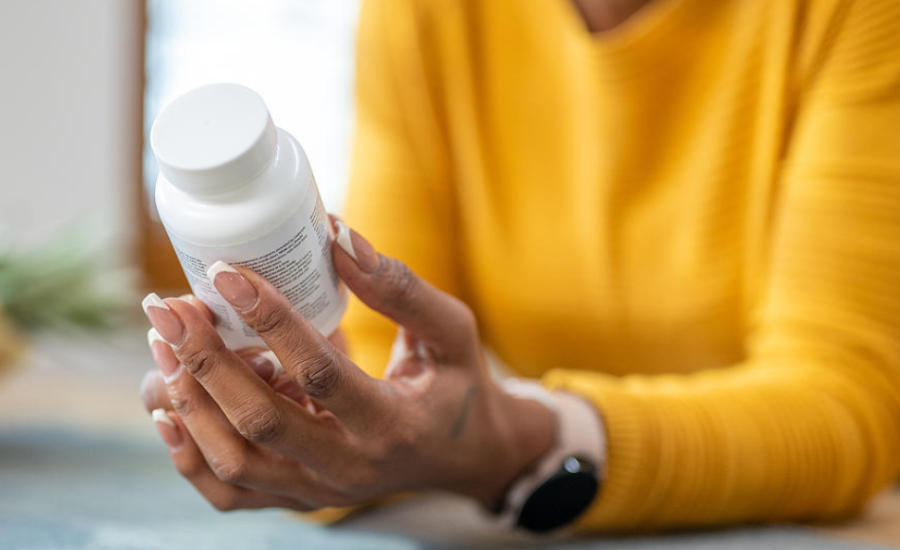
Credit: VM/Getty
Some women do report feeling worse before they feel better.
That was one of the biggest things Dr. Nia Ellison wanted me to understand during our conversation.
“A little extra gas? Some bloating? Feeling mildly tired or off for a few days? That can happen,” the gastroenterologist told me. “Especially if somebody starts with a very strong probiotic right away.”
According to Cleveland Clinic, probiotics can temporarily cause digestive side effects in some people, including gas, bloating, constipation or diarrhea while the gut adjusts.
And yes, some women say they even experience mild flu-like feelings, achiness or fatigue for a short period.
But Dr. Ellison stressed that women should not panic over every stomach noise or immediately assume something dangerous is happening.
“The gut is an ecosystem,” she explained. “When you suddenly introduce billions of bacteria into that environment, the digestive system can temporarily react while things rebalance.”
That adjustment can sometimes increase fermentation, gas production and bowel activity, particularly in women who already struggle with constipation, sluggish digestion or slow gut motility.
At the same time, she says the internet has created confusion by labeling every uncomfortable symptom “detox” or “die-off.”
“I worry when women think they’re supposed to suffer through severe symptoms because somebody online told them healing hurts,” Dr. Ellison said. “That’s not responsible.”
Experts say worsening or severe symptoms should never be ignored.
According to Harvard Health Publishing, probiotic research remains highly individualized, and more bacteria is not always better. Different strains affect people differently, and evidence behind many probiotic claims is still evolving.
That was another thing Dr. Ellison emphasized repeatedly.
“This supplement industry has women thinking they need the highest CFU count on the shelf,” she said. “Meanwhile, some people would do much better starting lower and slower.”
She also explained that many women are already dealing with sluggish gut motility without fully realizing it. Stress, hormonal shifts, poor sleep, chronic dieting and perimenopause can all affect digestion and bowel movement patterns.
Then probiotics get added into the mix.
“If the gut is already backed up,” she explained, “adding aggressive probiotic supplementation can sometimes make symptoms louder before things settle down.”
Bigger Isn’t Always Better
One of the biggest misconceptions in wellness culture is the idea that the strongest probiotic automatically has to be the best one.
According to Dr. Ellison, that simply is not true.
“Some women do beautifully on lower-dose probiotics,” she explained. “Some do better with fewer strains. And some honestly need to work on the foundations first before adding supplements at all.”
That includes things many women overlook:
hydration
fiber intake
stress levels
sleep
bowel regularity
movement
“If the gut is sluggish and backed up already, throwing a massive probiotic into the mix can sometimes make symptoms louder,” she said.
Dr. Ellison also pointed out that supplements are not the only way to support the gut microbiome.
For some women, food-based probiotic sources may feel gentler on the digestive system than immediately jumping into high-potency capsules.
According to Harvard T.H. Chan School of Public Health, natural probiotic foods include yogurt with live cultures, kefir, sauerkraut, kimchi, miso and kombucha.
Experts also stress the importance of prebiotics, which help feed beneficial gut bacteria already living in the digestive tract. Prebiotics are found naturally in foods like oats, bananas, garlic, onions and beans.
“Sometimes women think they need more bacteria,” Dr. Ellison said. “Meanwhile the healthy bacteria already in the gut are starving because the diet is missing the fiber that feeds them.”
That part honestly made me stop and think.
Because like a lot of women, I had become so focused on supplements that I had barely thought about whether my everyday habits were supporting my gut in the first place.
When to Call a Doctor
Dr. Ellison emphasized that mild bloating, gas or temporary stomach discomfort can happen while adjusting to probiotics.
But severe or worsening symptoms should never be ignored.
Women should seek medical attention for:
Severe abdominal pain
Persistent vomiting
Bloody stool
Fever
Chest pain
Shortness of breath
Severe dizziness or fainting
Symptoms that continue worsening over time
She also recommends speaking with a healthcare provider before starting probiotics if someone is immunocompromised, undergoing cancer treatment or living with significant gastrointestinal conditions.
“Social media cannot evaluate your medical history,” she told me. “Your body deserves more care than crowdsourced wellness advice.”
The Bigger Takeaway
Honestly, my biggest takeaway from all of this was realizing that over-the-counter wellness products are still biologically active substances.
Just because something is sold online, at Whole Foods or next to the vitamins at Target does not mean it is automatically gentle for everybody.
At the same time, Dr. Ellison says women also should not panic over every temporary digestive symptom or convince themselves their body is failing because a probiotic did not work perfectly after three days.
“Your body is communicating,” she said. “And usually the answer is not to bully it harder.”
Sometimes the body needs slower changes. Gentler support. Better sleep. More fiber. More hydration. Less stress. Sometimes it needs medical evaluation instead of another trending supplement stack.
And honestly, that may be the healthiest conversation the wellness industry is finally starting to have.





Jesus speaks directly to chronic worry in Matthew 6, pointing anxious hearts to the birds, the lilies and a Father who already knows every need.