
Black Women Carry So Much. Cherisse Stephens Says Emotional Wellness Matters Too
As Mental Health Awareness Month shines a light on emotional well-being, author Cherisse Stephens encourages women to prioritize healing, boundaries, and emotional wholeness alongside leadership and service.
By Empowering Everyday Women (EEW) Online
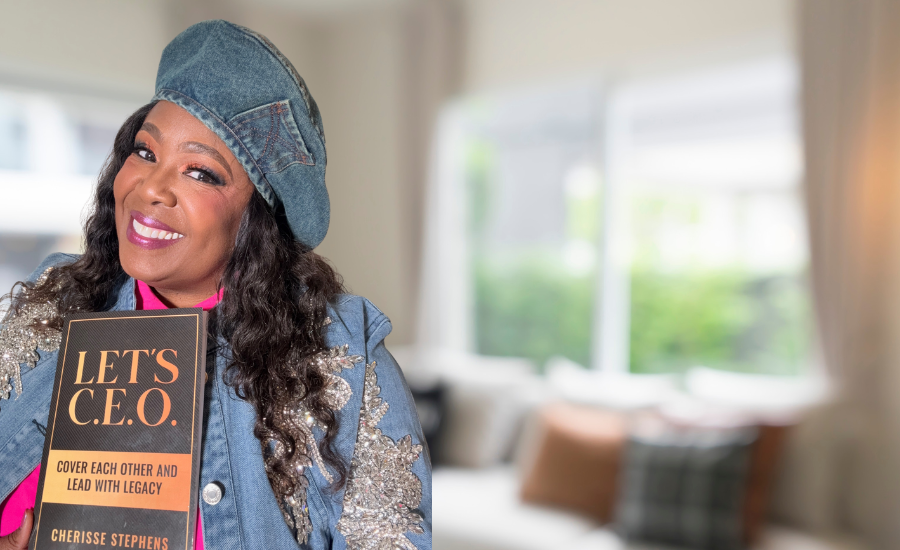
Author and ministry leader Cherisse Stephens is encouraging women to prioritize emotional wellness alongside leadership, service, and success in her new book, Let’s C.E.O. Cover Each Other and Lead with Legacy.
(Photo courtesy of Cherisse Stephens)
During Mental Health Awareness Month, many Black women are having honest conversations about something previous generations were often expected to endure silently: emotional exhaustion.
For years, strength has been the expectation. Black women have led households, cared for families, built businesses, served in ministry, supported communities, and carried other people’s burdens while pushing their own needs to the side. Even now, many women move through life handling pressure with grace on the outside while privately battling stress, burnout, anxiety, disappointment, grief, and emotional fatigue.
That quiet tension is part of what Cherisse Stephens explores in her new book, Let’s C.E.O. Cover Each Other and Lead with Legacy, a book centered on women supporting one another through collaboration, accountability, leadership, and community instead of unhealthy competition.
In Chapter 5, Stephens turns her attention to emotional wellness and the importance of leading from a healthy place internally, especially for women who spend much of their lives pouring into others.
“Leadership is often romanticized as boldness and strength, but authentic leadership is also rooted in emotional wholeness,” Stephens wrote. “Emotionally whole leaders are not perfect, but they are self-aware, grounded, and resilient. They lead from a place of healing, not hidden wounds.”
For many women, those words hit close to home.
There are women leading meetings while mentally exhausted. Women encouraging everybody else while feeling depleted themselves. Women showing up faithfully for family, church, work, and community while quietly wondering when they will have room to breathe.
Mental health experts say those struggles are more common than many people realize.
According to the U.S. Department of Health and Human Services Office of Minority Health, Black adults in the United States are less likely to receive mental health treatment, despite experiencing many of the same mental health conditions.
Researchers and advocates have pointed to several reasons, including stigma surrounding therapy, limited access to culturally competent care, financial barriers, and longstanding cultural messages that normalize suffering and emotional suppression.
For Black women in particular, the pressure to keep going can become deeply ingrained. Rest is delayed. Boundaries feel uncomfortable. Emotional pain gets pushed aside in the name of responsibility.
Stephens addresses that reality directly in her writing.
“When leaders ignore their emotional health, it creates cracks in their influence,” she wrote. “Unchecked anxiety, burnout, or insecurity can leak into your communication, decisions, and relationships.”
Stephens does not treat emotional wellness like an abstract idea reserved for people with perfect schedules and fewer responsibilities. Instead, she presents it as necessary care for women trying to lead healthy, sustainable lives.
Among the strategies she shares are regular mental health check-ins with trusted mentors, counselors, or peers; journaling to process emotions and recognize patterns; setting boundaries to protect time and energy; and making space for restorative practices such as prayer, exercise, creative outlets, or time in nature.
Stephens’ message reflects a shift taking place in many Black faith communities, where conversations about counseling, trauma, burnout, and emotional wellness have become more open in recent years. She writes that emotional wellness requires continual attention at every stage of leadership, whether someone is just beginning to lead or has spent years carrying responsibilities for others.
“For emerging leaders, emotional wholeness begins with understanding your triggers and practicing healthy responses,” she wrote. “For seasoned leaders, it means continuing to check your emotional health even when you have years of experience.”
That reminder may resonate with women who have spent years surviving difficult seasons without ever fully processing the emotional weight they carried through them.
At its heart, Let’s C.E.O. Cover Each Other and Lead with Legacy calls women to uplift and strengthen one another through collaboration, accountability, encouragement, and purposeful leadership. Chapter 5 adds another layer to that message by reminding readers that emotional wellness is not separate from leadership. It is part of sustaining it.
Black women have carried many things for many people.
This Mental Health Awareness Month, Stephens’ message offers a reminder that emotional wellness deserves care, too.
Let’s C.E.O. Cover Each Other and Lead with Legacy is available through Cherisse Stephens’ official website.
More on EEW Magazine Online:





EEW founder Dianna Hobbs reflects on Frederick Douglass, The North Star, and 19 years of building independent Black Christian media against the odds.