
Stretching After 40 Might Be One of the Kindest Things You Can Do for Your Body
Many women over 40 notice increased stiffness, tension, and reduced mobility. Health experts say consistent stretching and gentle movement can help support flexibility, posture, circulation, stress relief, and overall wellness at every age.
By EEW Magazine Wellness Editors
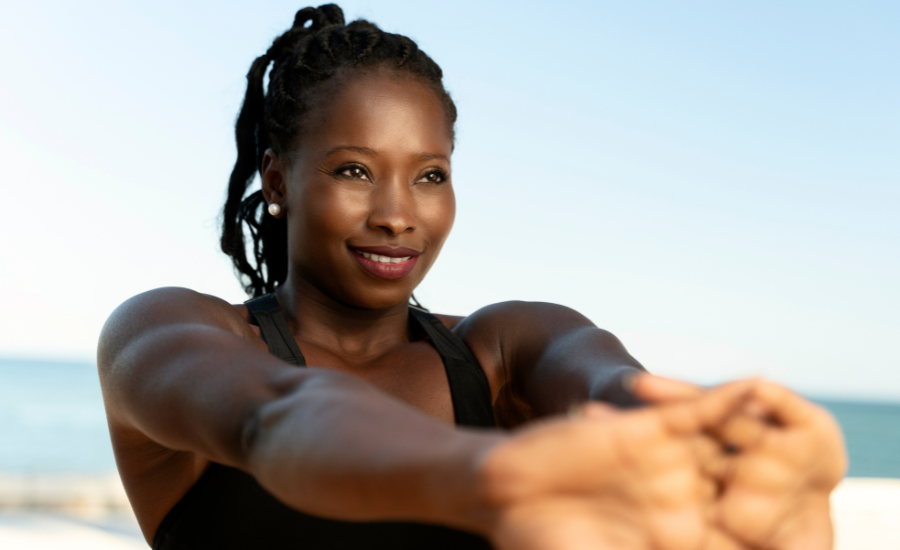
There is a moment many women recognize somewhere in their 40s when the body starts talking back.
You wake up stiff after sleeping in the wrong position. Your hips feel tight after sitting too long. Your lower back complains during ordinary tasks. Even reaching for something on a high shelf can suddenly feel more dramatic than it should.
A lot of women assume this is just aging. They think soreness, tightness, and reduced mobility are things to accept and push through.
But fitness experts, physical therapists, and sports medicine physicians say one of the most overlooked wellness tools for women over 40 is also one of the simplest: stretching.
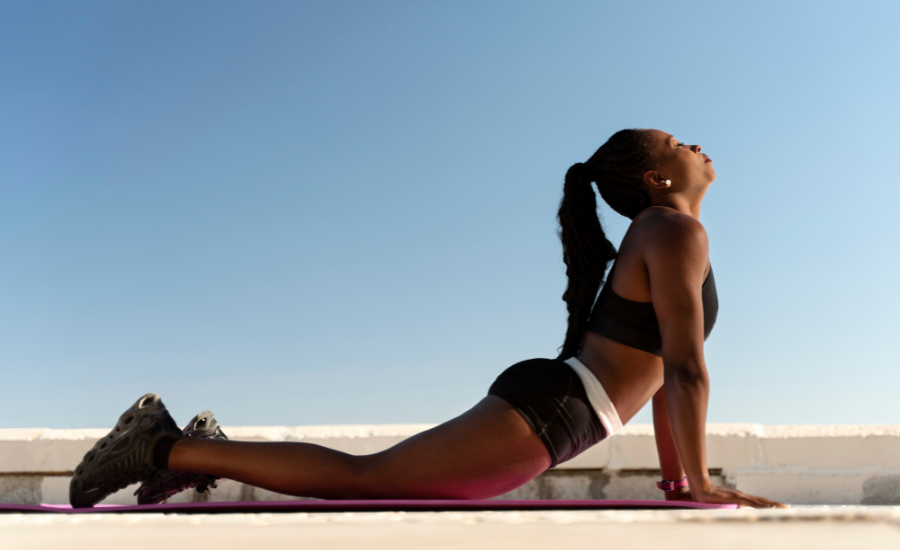
It is not flashy. It does not require expensive equipment. It will probably never dominate social media trends the way intense workouts do. Still, consistent stretching can help improve mobility, balance, circulation, posture, flexibility, recovery, and even stress levels.
And for women navigating hormonal changes, increased stress, sedentary work, or shifting fitness goals, it becomes even more important.
“Flexibility tends to decrease with age,” according to the American Academy of Orthopaedic Surgeons, which notes that stretching can help maintain range of motion and reduce stiffness in muscles and joints.
That loss of mobility does not happen overnight. “The water content of tendons, the cord-like tissues that attach muscles to bones, decreases as we age. This makes the tissues stiffer and less able to tolerate stress,” explains AAOS. It happens slowly through years of repetitive movement, stress, tension, inactivity, injuries, and time spent sitting.
For many women, especially those balancing careers, care-giving, ministry, family responsibilities, and everyday pressures, movement becomes functional instead of intentional. You move because you have to. Not because you are caring for your body.
Stretching interrupts that cycle.
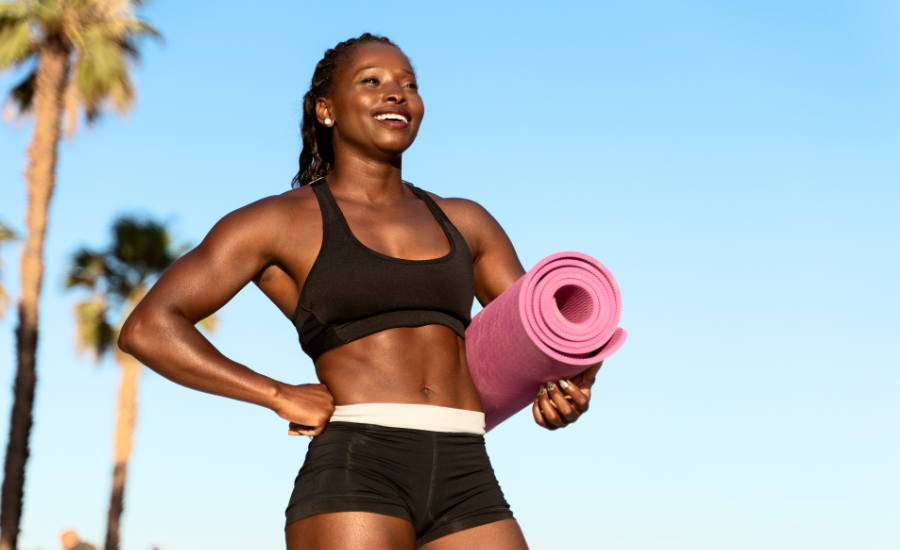
Why Stretching Matters More After 40
As estrogen levels shift during perimenopause and menopause, many women notice changes in muscle recovery, joint comfort, sleep quality, and energy levels. Muscle mass naturally declines with age as well, especially without resistance training and regular movement.
While stretching cannot stop aging, wellness experts say it can support healthier movement patterns and help women stay active longer.
According to the Mayo Clinic, regular stretching may improve flexibility and range of motion, which can enhance physical performance and reduce strain during daily activities.
And since mobility is deeply connected to quality of life, women who stretch and exercise regularly tend to remain more independent, active, stable, and physically capable as they age. Simple things like walking comfortably, climbing stairs, carrying groceries, traveling, exercising safely, or playing with grandchildren are all connected to how well the body moves.
Stretching also helps counteract one of the biggest modern wellness problems: prolonged sitting.
Hours spent working at a desk, driving, scrolling on phones, or sitting on couches can tighten hip flexors, weaken glutes, strain the neck and shoulders, and contribute to lower back discomfort.
Harvard Medical School experts say movement variability is important because the body was designed to move in multiple directions, not remain locked into the same positions for hours at a time. “It's most important to focus on the body areas critical for mobility,” doctors advise.
That includes the lower body, particularly the calves, hamstrings, hip flexors, and quadriceps, which all play a major role in balance, walking, posture, and overall movement. Stretching the shoulders, neck, and lower back can also help relieve built-up tension and stiffness from daily life.
Experts recommend a stretching routine done daily, or at least three to four times per week, to help maintain flexibility and mobility over time.
The Stress Connection Many Women Overlook
Many women carry tension in their bodies without realizing it. Tight shoulders. Clenched jaws. Stiff necks. Locked hips. Shallow breathing.
Gentle stretching, especially when paired with slow breathing, can activate the parasympathetic nervous system, the body’s “rest and digest” state. That is one reason practices like floor exercises, mobility work, and restorative stretching often leave people feeling calmer afterward.
The Cleveland Clinic notes that stretching may help relieve stress, improve posture, and reduce muscle tension that builds throughout the day. For women carrying emotional exhaustion alongside physical fatigue, those moments of intentional slowing down can become an important form of self-care.
You Do Not Need Flexibility To Begin
One misconception keeps many women from starting: the belief that stretching requires flexibility first. It does not.
You do not need to touch your toes. You do not need advanced poses. You do not need expensive classes or perfect balance. Consistency matters more than intensity.
Even 5 to 10 minutes daily can make a noticeable difference over time. The key is gentle, steady movement without bouncing or forcing the body into pain.
The American Heart Association recommends holding stretches for about 10 to 30 seconds while breathing normally and avoiding movements that cause pain.
“Flexibility exercises stretch your muscles and can help your body move and bend easier,” physicians say. “These exercises may not improve your endurance or strength, but being flexible gives you more freedom of movement for other exercise as well as for everyday activities.”
Stretching is powerful, but it is not magic.
Women over 40 benefit most when stretching is paired with other supportive habits like strength training, walking, hydration, protein intake, sleep, and stress management.
That combination supports joints, muscles, circulation, balance, bone health, and increased physical strength. And importantly, stretching can help women stay active enough to continue doing the things they love. Not chasing youth. Not punishing the body. Not trying to perform wellness for social media. Just feeling strong enough, mobile enough, energized enough, and healthy enough to fully live your life.
A Gentle Reminder
Many women are incredibly compassionate toward everyone except themselves.
They push through exhaustion. Ignore discomfort. Delay rest. Carry stress quietly. Keep functioning while the body sends warning signs. Stretching can become a small but meaningful way to reconnect with yourself physically.
Your body has carried you through decades of life. Through responsibility, heartbreak, growth, care-giving, stress, faith, survival, and seasons that demanded more from you than you thought you could give. Maybe stretching is not just about flexibility after all. Maybe it is one small way of finally giving your body some of the care, patience, and attention it has been asking for.
More on EEW Magazine Online:




Americans marked the 25th anniversary of the Sept. 11 attacks with memorial ceremonies, moments of silence and tributes honoring nearly 3,000 victims.