

Where Healing Happened: A Look Back at Mental Wellness May
More than 250 women gathered across Buffalo this May for real conversations about mental health. See how the American Alliance for Black Mental Wellness is breaking the silence in faith communities.
By Empowering Everyday Women// American Alliance for Black Mental Wellness
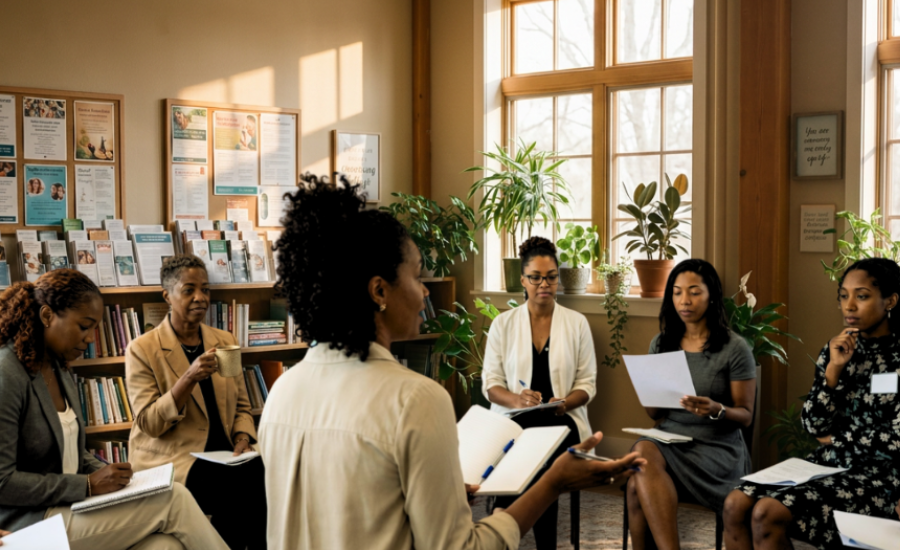
Real women. Real conversations. Real healing. Mental Wellness May brought us together and changed lives. (Credit: American Alliance for Black Mental Wellness/Empowering Everyday Women Ministries)
Brenda did not plan to say anything.
She sat in a small group session surrounded by women she had just met, in a community space that felt nothing like the church she grew up in. But something in the room gave her permission. And for the first time in her adult life, she said out loud what she had carried since she was 12 years old.
"I grew up in a Black Christian household where mental health issues were believed to be demonic," she told the group. "I have struggled with depression since I was 12 years old. I tried to end my life twice, but felt alone, like I had no one to tell. Having the freedom to say out loud that I have been diagnosed with clinical depression and then have a supportive network of other Black Christian women to help me is something I never thought I'd see."
The women around her did not flinch. They moved closer. They held her hands, shared their own stories, and by the afternoon they were laughing together over lunch, bonding over activities, and sitting in on sessions led by local mental health care professionals. Brenda's moment was not an outlier. It was the point.
Throughout May, the American Alliance for Black Mental Wellness, a ministry initiative of Empowering Everyday Women Ministries, hosted four community events reaching more than 250 women across Buffalo.
Held at local community centers, churches, and wellness centers, each gathering created what so many women said they had never had before: a safe space to speak freely about their mental health without shame, stigma, or silence.
Sessions were led by licensed counselors. Health care partners were on-site to answer questions. Women left with gift bags stocked with wellness items and professional resources. The design was intentional from the start.
"Our endeavor is to guide women gently to the resources they need for mental wellness in a safe space, with no judgment or shame, so they know they are not alone," said a representative from the American Alliance for Black Mental Wellness.
Co-founders Dianna Hobbs, a brain trauma survivor, and her husband Kenya Hobbs have navigated mental health challenges as a family, including caring for their son Kaleb, who lives with Autism, Bipolar II Disorder, and OCD. That journey drives their commitment to making mental health support accessible, compassionate, and stigma-free in Black communities.
That commitment resonated. Darlene, a local participant, put it plainly.
"I'm so thankful to be a part of Mental Wellness May," she said. "We don't see enough of this in the Black community."
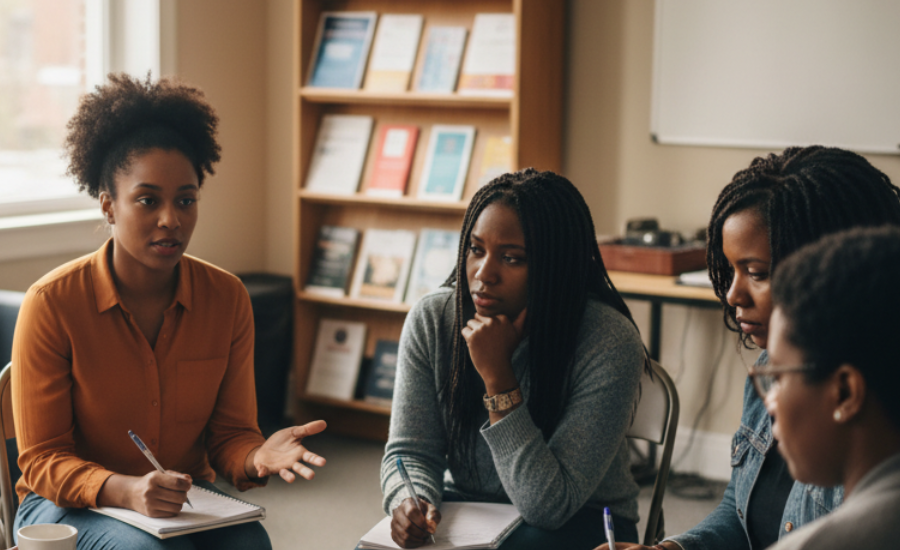
Intimate small group sessions gave participants a safe space to share openly, listen deeply, and heal together. (Credit: American Alliance for Black Mental Wellness/Empowering Everyday Women Ministries)
The events were part of a broader effort by Empowering Everyday Women Ministries to address the mental health crisis facing women in faith communities, where stigma has long kept depression, anxiety, and trauma hidden behind closed doors. The work is grounded in the belief that strong communities are built when women are whole, supported, and equipped to thrive.
Mental Wellness May has ended. The work has not.
For more information about the American Alliance for Black Mental Wellness a, visit www.empoweringeverydaywomen.org.
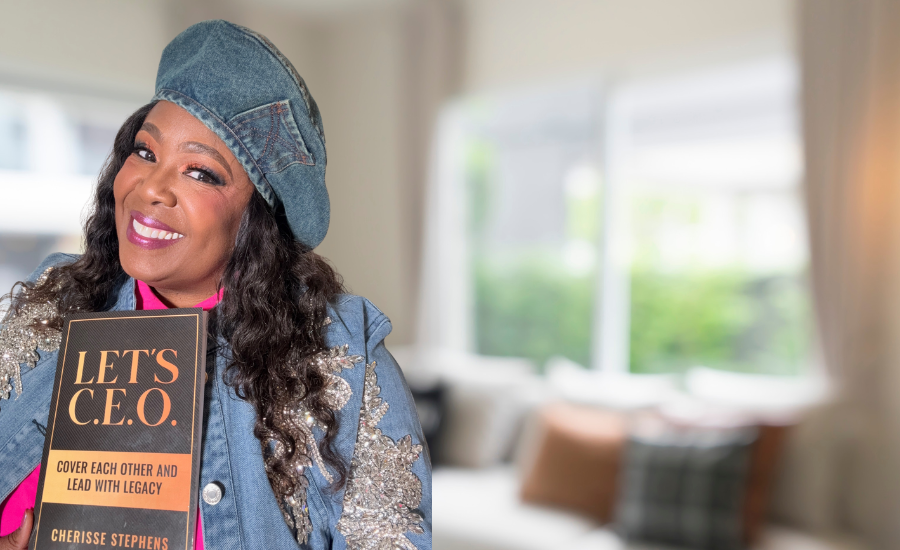


Jesus taught His disciples to forgive without limits, and He also showed discernment about whom to trust. When harmful patterns keep returning, wisdom may call for boundaries, distance, or a permanent separation.