
Why We Stopped Trusting the News and What Comes Next
Gallup finds trust in U.S. media at an all-time low. Explore why more Americans are turning to independent news sources for reliable information.
By Elise Staples // EEW Magazine Online
Credit: Simonkr/Getty
It wasn't so long ago that watching the evening news or reading the morning paper felt almost like a civic ritual. People trusted that what they heard or read had been filtered only by fact and sincerity, not by any hidden agenda.
That world, for many Americans, feels like a memory.
The latest Gallup poll confirms it: only 28 percent of Americans now have “a great deal” or “fair amount” of confidence in newspapers, television, or radio to report the news fully and fairly.
Seven out of ten say they trust the news little or not at all.
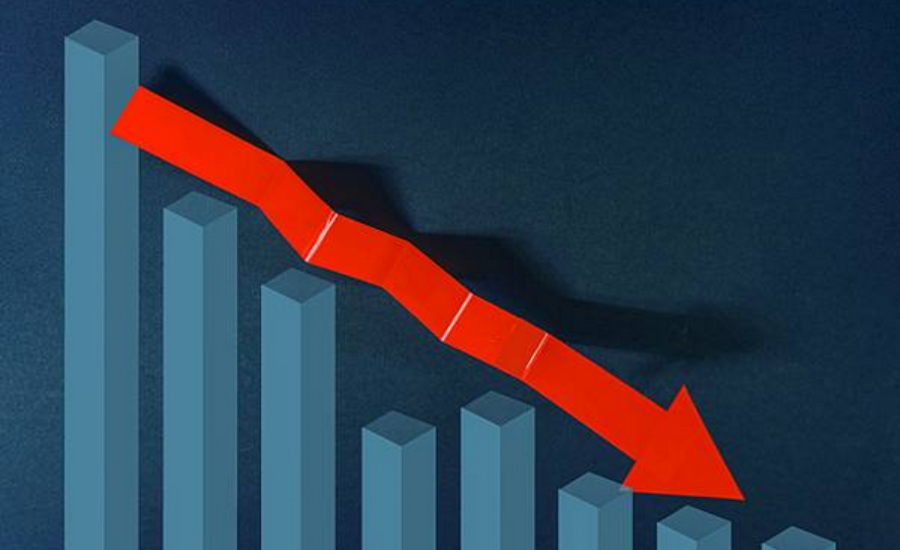
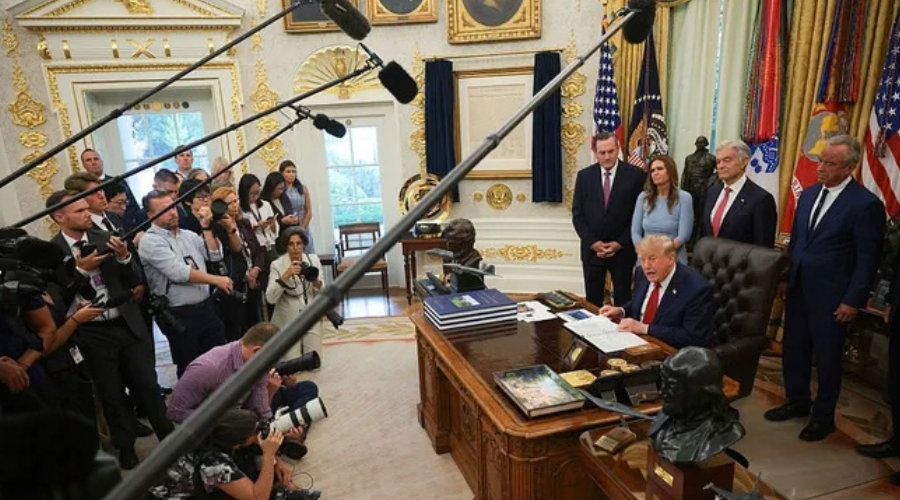
There is a sharp decline in media trust. According to Gallup,only 28 percent of Americans now have “a great deal” or “fair amount” of confidence in newspapers, television, or radio. (Credit: Getty)
Skepticism is the new default. Some describe this shift as cynicism, but for many in the faith community, it is wisdom born of experience. There is a growing sense that mainstream media has walked away from its highest calling. Its job was always to inform. Yet too often, it now tries to influence.
More and more, it no longer simply tells us what happened. It tries to direct what we think, how we feel, whom we should trust, and even what we should believe.
This crisis in trust didn't appear overnight. Back in the late twentieth century, Gallup measured confidence in the press as high as 72 percent. By the late 1990s, trust had fallen below 60 percent. Today, it has reached historic lows. The decline is bipartisan, crossing lines of age, race, and party. Republicans report almost no confidence at all. Independents remain skeptical. Democrats, who traditionally have held more positive views of the press, now trust in barely a slim majority.
Research shows a decline in media trust regardless of race, age or political affiliation. (Credit: Memento/Getty)
Why has trust collapsed so dramatically? The easy answer is partisanship or profit motives, but the deeper truth is more unsettling.
There is a spiritual unease.
Many feel that those once-trusted voices are less interested in facts than in steering opinion. Newsrooms often appear more focused on shaping public perception than on just laying out the evidence.
For people of faith, this disillusionment feels especially sharp. We are called to seek truth, to test everything, and to hold fast to what is good. If the media no longer helps us do that, then pulling away is not just understandable. It is responsible.
As trust declines, more Americans turn to sources free from the pull of conglomerates, sponsors, and corporate owners. There is a search for what feels authentic and unfiltered. Readers now place their trust in smaller sources: local blogs, independent journalists, and publications that answer only to their readers, not to distant advertisers. Independent sites become guardians of that trust, holding themselves to a higher standard rooted in faith, honesty, and a true commitment to serving their communities.
Credit: Getty/EEW
Some critics complain that this new landscape is messy and fragmented. Perhaps it is, but it is also more honest. It asks readers to bring discernment, to do the work of sorting, to pay attention and question rather than consume passively.
So what is the way forward?
Rebuilding trust is not a simple project. The collapse of confidence in media has left many people feeling exposed, and sometimes the temptation to retreat from all news is strong. Yet as people of faith, we are not called to withdrawal. We are called to engage, eyes wide open. We must seek out media that respects our intelligence and autonomy.
We need discernment more than ever, especially in an age when outrage comes cheap and echo chambers are everywhere.
Maybe the future of journalism will not look like one grand institution. Instead, it might become a rich mosaic of independent voices, each serving a particular community. In this new landscape, wisdom will belong to those willing to weigh sources carefully and to value truth over comfort.
If you find yourself questioning what you see and hear, you are not alone. Faith has always required a willingness to question and the courage to sift the real from the false. That calling has never been more important.
Believers who think critically and refuse to be swayed by shallow headlines or pressure from powerful interests will lead the way in this new season. Trust can be rebuilt, but only if we, readers and journalists alike, demand something better and refuse to settle for less.

The EEW Weekly Digest
Get EEW in Your Inbox
Our weekly digest brings the latest reporting on faith, culture, health, and the news that matters to Black Christian women straight to your inbox.
Subscribe FreeFree to join. Unsubscribe anytime.
Reader-Supported Journalism
Help Keep EEW Free and Growing
EEW Magazine Online is free for every reader, and we plan to keep it that way. Your support helps us expand our reporting on faith, culture, health, and the news that matters to Black Christian women. Become a monthly supporter today.
Support EEWGive once or monthly through PayPal. Gifts are tax-deductible to the extent allowed by law.
An opinion column on accepting the 2024 election result while holding leaders accountable, organizing for the midterms and serving our communities.