Why the Bevelyn Beatty Williams Case Is Resurfacing Amid the Don Lemon Indictment
As debate intensifies over protest, faith, and free speech, a prior FACE Act conviction highlights how courts weigh conduct over intent.
Analysis By EEW Magazine Online
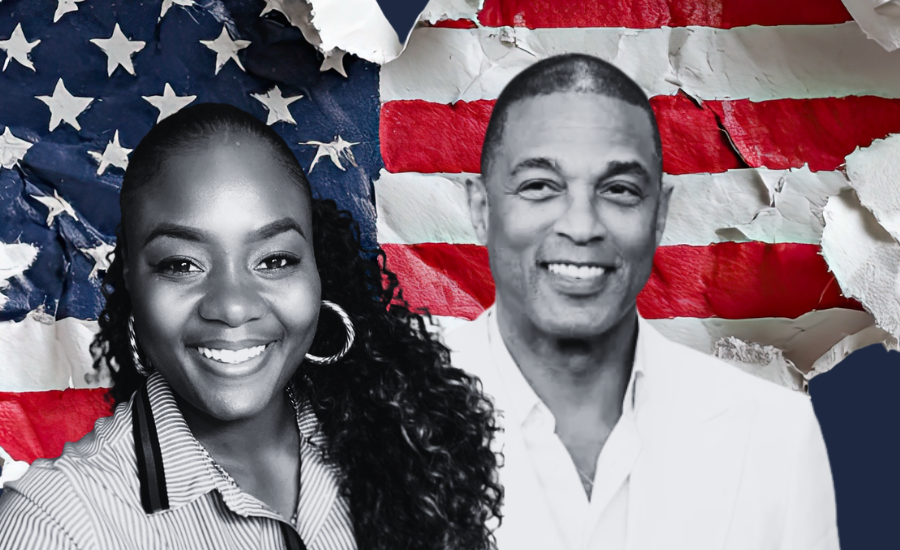
Bevelyn Beatty Williams (left) and Don Lemon (right) are at the center of renewed debate over how federal law distinguishes intent from conduct in protest-related cases. Williams was convicted under the FACE Act in 2024, while Lemon faces federal charges tied to the disruption of a worship service in St. Paul, Minnesota. (Illustration by EEW Magazine)
The recent federal indictment of Don Lemon following the disruption of a worship service at Cities Church has become a national flashpoint in debates over protest, faith, and constitutional rights.
The controversy is not only about Lemon’s actions or those of the protesters who entered the church. It is about the difference between how participants perceive their own conduct and how the law assesses actual behavior.
That distinction was already litigated in a case now re-entering the public conversation: the federal conviction of Bevelyn Beatty Williams who was sentenced in 2024 under the Freedom of Access to Clinic Entrances Act (FACE Act) during the Biden-Harris administration.
The Williams case is being invoked again because it highlights a core legal principle that is also at the center of the Lemon indictment: intent alone does not determine legality; conduct does.
Who Is Bevelyn Beatty Williams and What Happened?
Williams, a Tennessee-based anti-abortion activist and mother, was convicted in February 2024 in a federal trial in the Southern District of New York. In July 2024, she was sentenced to 41 months in prison for violating the Freedom of Access to Clinic Entrances Act (FACE Act) and related conduct.
According to the U.S. Attorney’s Office, prosecutors presented evidence that Williams physically blocked entrances to a Manhattan reproductive health clinic, directed others to do the same, and used threats and force to interfere with patients’ and staff members’ access to lawful health services. In one documented instance, she allegedly pressed against a door while a staff member tried to open it, crushing the staffer’s hand in the process.
Williams has denied those claims.
Supporters have also characterized Williams’ actions as prayer or peaceful protest, and her defenders emphasized her faith and family commitments while questioning the fairness of her sentencing.
Prosecutors described her conduct as intimidation and interference, not prayer. Williams’ own livestreamed statements, including language like “we are going to terrorize this place,” became part of the evidentiary record supporting the conviction.
In March 2025, President Donald Trump issued a pardon for Williams, bringing fresh attention to her case without vacating the jury’s findings.
Why the Case Is Being Revisited Now
The Williams case has re-entered public discourse because of the January 2026 federal indictment of Don Lemon and several others related to a protest at Cities Church in St. Paul, Minnesota. The charges allege that protesters entered the church during a worship service on January 18, 2026, chanting and disrupting the service.
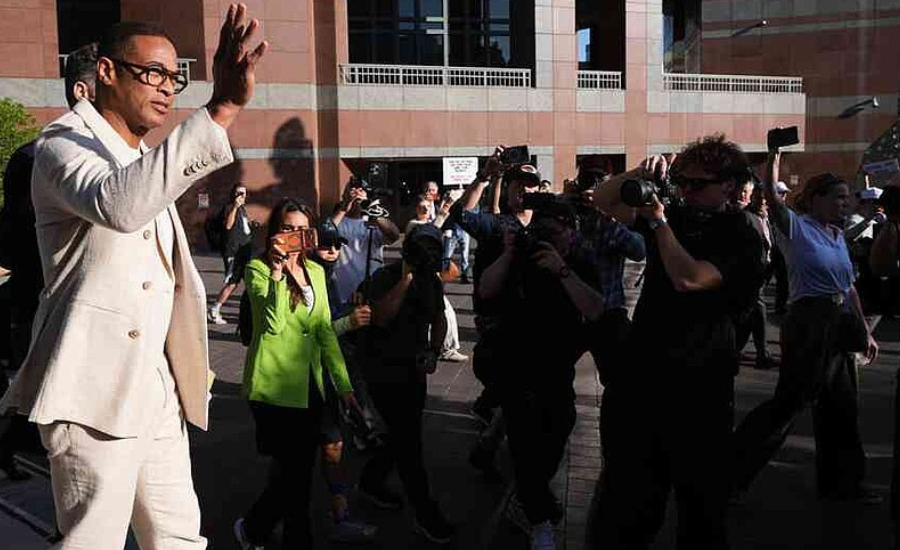
Don Lemon leaves a hearing at the Edward R. Roybal Federal Building in Los Angeles on Friday, Jan. 30, 2026. (AP Photo/Damian Dovarganes)
Many of those indicted, including Lemon, now face federal counts of conspiracy to violate civil rights and interfering with religious worship, under laws including the FACE Act’s protections for houses of worship.
Prosecutors allege that Lemon and his co-defendants “oppressed, threatened, and intimidated” congregants by occupying space near the front of the sanctuary and by engaging in behavior the government says interfered with the congregants’ exercise of their religious rights. The indictment also alleges that Lemon “physically obstructed” members of the church as they tried to leave.
Lemon has said he was present only as a journalist covering the protest and has denied involvement in organizing or directing the demonstration. The legal proceedings are ongoing, and he has pleaded not guilty.
In response to the St. Paul incident, Cities Church leaders published a statement saying protesters “accosted members of our congregation, frightened children, and created a scene marked by intimidation and threat,” and emphasized that invading a worship service is neither supported by Scripture nor permitted by U.S. law. These firsthand characterizations highlight how the experience of worshippers contrasts with some public narratives about the protest.
The Legal Throughline
What connects the Williams and Lemon cases is not ideology, but legal logic.
In the Williams case, the jury was asked to assess whether physical acts — blocking entrances, directing others to obstruct access, and making threatening statements — rose to violations of federal law. The conviction turned on conduct, not on whether Williams believed she was praying or ministering.
In the Lemon case, prosecutors are likewise focusing on conduct: occupying space in a worship service, chanting in a way government lawyers describe as intimidating, and allegedly interfering with congregants’ ability to exit. Whether participants described their actions as protest, reporting, or activism, the government’s legal theory centers on what occurred and how that conduct is alleged to have affected others during the service.
In both instances, intent does not control the legal outcome; conduct does, and courts and juries, not public perception or sympathies, make that determination.
A Consistency Test for the Public
The Williams conviction illustrated a legal reality that many find difficult: powerful conviction does not immunize one from legal consequences if conduct crosses defined boundaries. That understanding fueled much of the conservative outrage surrounding her prosecution, particularly when paired with her pardon.
Now, as Lemon’s case unfolds, the same tension between expression and conduct is playing out from the opposite direction. Press freedom advocates and civil liberties organizations have raised concerns that charging journalists for their presence at protests poses risks to First Amendment protections. The discussion has intensified because of the unusual use of statutes like the FACE Act in this context and the perception among some that journalists are being treated as participants rather than observers.
Yet the fundamental legal issue remains the same in both debates: the law evaluates what someone did based on evidence, not how they described what they were trying to accomplish based on intentions.
Why This Distinction Matters
Public narratives often simplify complex legal questions into emotive soundbites. The Williams case became a symbol for some because of Williams’ identity, family situation, and the political framing around reproductive rights. The Lemon case has become a symbol in turn because of Lemon’s public profile and First Amendment concerns.
Symbols, however, are not evidence.
Understanding the distinction between motive and conduct does not inflame division. It clarifies it. And in moments of heightened national tension, clarity grounded in documented facts and careful legal analysis is essential.
More on EEW Magazine Online: