

Graham Platner, Sunny Hostin, and When Character Becomes Negotiable
Sunny Hostin said she'd hold her nose and vote for Graham Platner weeks before a rape allegation ended his campaign.

JD Vance Thought Faith Was for Fools. The Black Church Knew Better.
JD Vance once believed only dumb people were religious. His new book, Communion, exposes a cultural blind spot the Black church has challenged for centuries.

Karmelo Anthony Verdict: The Jury Took Two Hours. The Internet Took Less.
The Karmelo Anthony verdict is in. EEW Magazine asks why the internet decided first, and what Scripture says about waiting for truth.

AI Was Already Here. You Just Couldn't See It.
AI didn't arrive recently. It became visible. Here's what that shift means for ordinary people, and why one billionaire's change of heart is worth paying attention to.
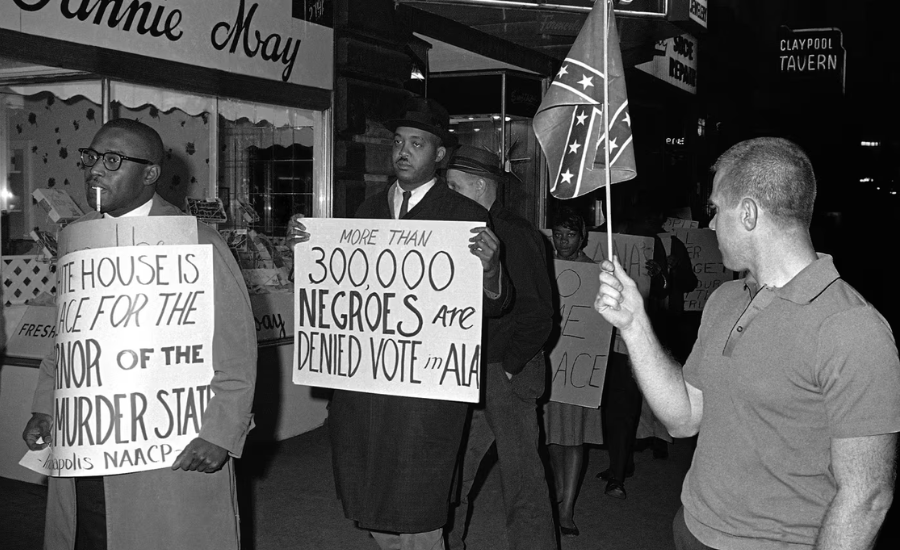
The Problem With Calling Modern America “Jim Crow 2.0”
As “Jim Crow 2.0” becomes common political language, Dianna Hobbs examines whether the comparison reflects historical reality or stretches beyond it.

Erika Kirk and What Happens When Grief Becomes Public Property
Following the White House Correspondents’ Dinner shooting, reactions to Erika Kirk exposed how quickly grief can become politicized, scrutinized, and dehumanized in today’s online culture.
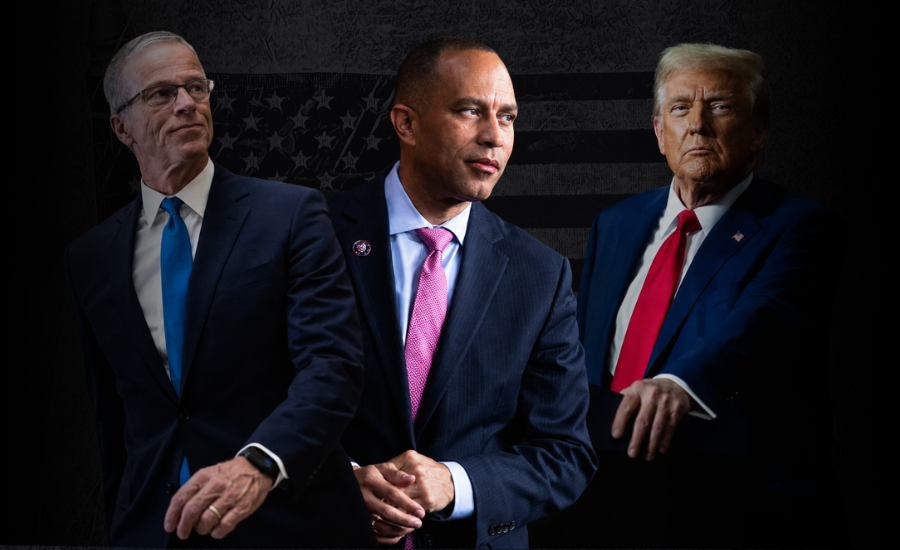
The Gerrymandering Wars and the Language of Political Fear
An analysis of gerrymandering, partisan rhetoric, and how emotional political messaging shapes public fear and perception.
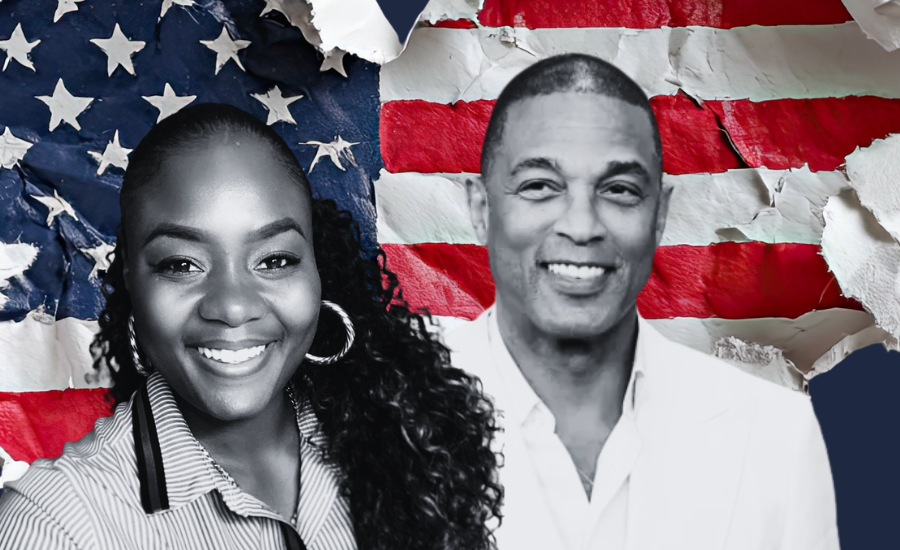
Why the Bevelyn Beatty Williams Case Is Resurfacing Amid the Don Lemon Indictment
As debate swirls over Don Lemon’s indictment, the Bevelyn Beatty Williams case resurfaces, highlighting how courts judge conduct, not intent, under the FACE Act.
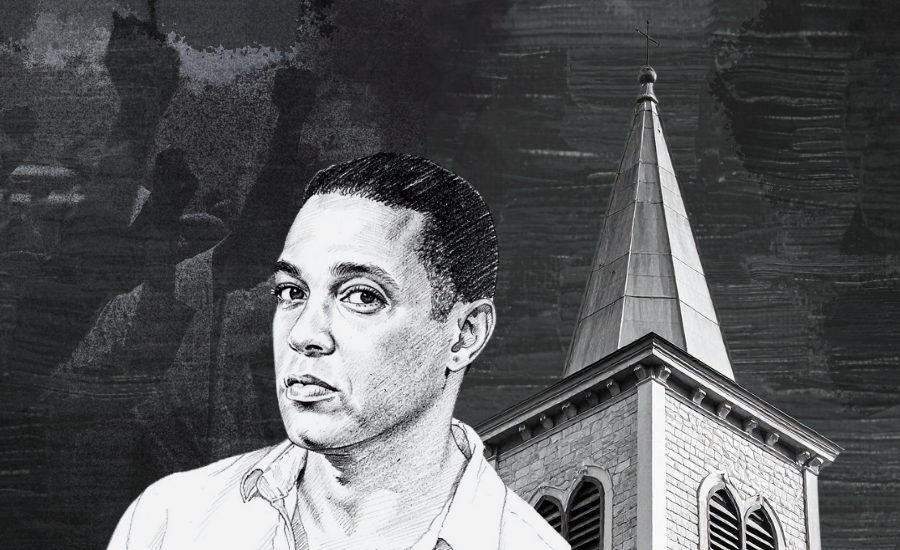
When Reporting Crosses the Line: Don Lemon, Church Disruption, and the Limits of Christian Witness
Don Lemon’s livestream from inside a Minnesota church sparks federal review and raises deeper questions about journalism, sacred space, and Christian witne
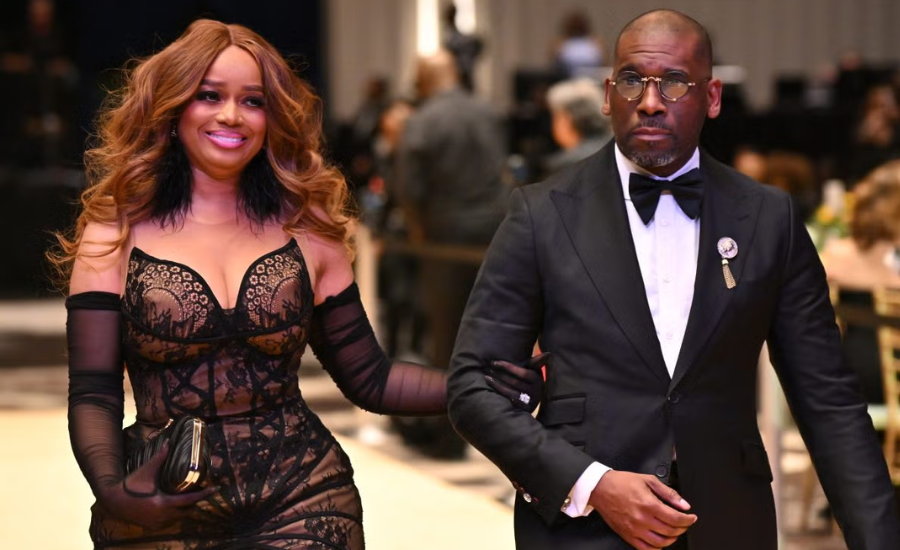
When a Woman’s Dress Becomes a Cultural Flashpoint: The Karri Bryant Controversy
A revealing gown worn by Karri Turner Bryant ignites a theological clash between holiness tradition and modern Christian marriage in the Black church.
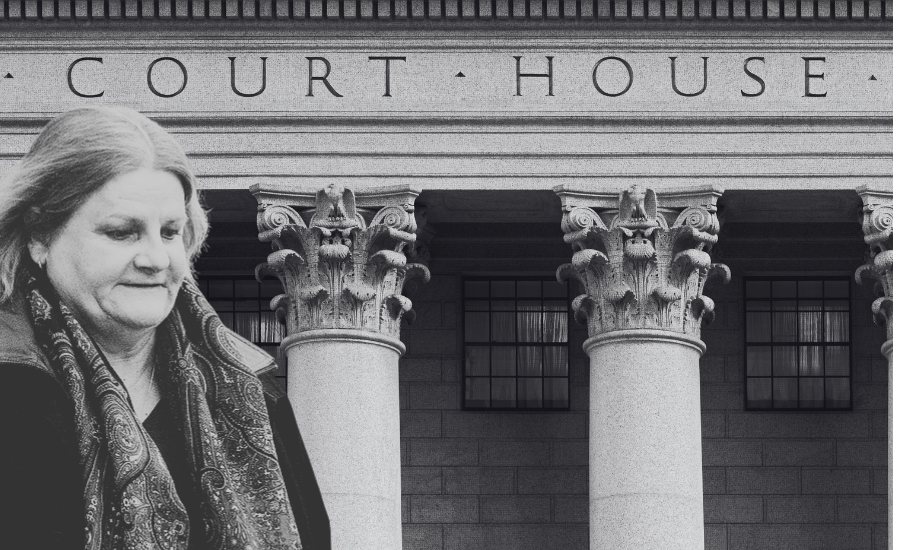
The Hannah Dugan Case: When Resistance Becomes a Liability
An in-depth, faith-informed examination of judicial authority and political resistance, exploring what happens when empathy collides with institutional responsibility.